Full Analysis Summary
Drone strikes in South Kordofan
On [date unspecified], drone strikes hit the Fathelrahman neighbourhood in Dilling, South Kordofan, killing and wounding civilians, including women and children, amid fighting blamed on the Rapid Support Forces (RSF) and the Popular Movement led by Abdelaziz El Hilu.
The Sudanese Doctors Network condemned the "deliberate" targeting of residential areas.
It demanded unhindered humanitarian access and urged international bodies to hold perpetrators accountable.
Human rights groups say the incident is part of a wider pattern of intensified clashes in Kordofan that have forced thousands to flee their homes.
Coverage Differences
Tone and emphasis
Both sources report the civilian harm, but Radio Dabanga (Other) focuses directly on the drone attack in Dilling, naming the RSF and Popular Movement as alleged perpetrators and quoting the Sudanese Doctors Network’s condemnation. Dabanga Radio TV Online (Other) does not recount the Dilling drone attack in its snippet but instead highlights the Doctors Network’s call for immediate protective action for miners, reflecting a different topical emphasis (mining safety vs. urban drone strikes). Radio Dabanga reports: “a drone attack on the Fathelrahman neighbourhood in Dilling—allegedly by the Rapid Support Forces (RSF) and the Popular Movement led by Abdelaziz El Hilu—killed and wounded civilians, including women and children.” Dabanga Radio TV Online reports: “The Doctors Network urged the Sudanese Mineral Resources Company and authorities to take immediate action to protect miners, calling for clear, binding guidelines for traditional mining.”
Condemnations of civilian strikes
Medical and legal actors described the strikes as deliberate attacks on civilians and demanded accountability.
The Sudanese Doctors Network is quoted condemning deliberate targeting of residential areas and calling for humanitarian access.
The Emergency Lawyers Group described a separate SAF drone strike on a North Kordofan market in Abu Zaima as a war crime and demanded an immediate halt to strikes on civilian sites.
Both organisations' statements are reported as calls to action rather than as factual assertions by the outlets themselves.
Coverage Differences
Narrative and source framing
Radio Dabanga (Other) presents the Doctors Network and Emergency Lawyers Group statements as condemnations of specific attacks — quoting them directly as calls for accountability and describing the Abu Zaima market strike as characterised by the Emergency Lawyers Group as a war crime. Dabanga Radio TV Online (Other) presents the Doctors Network’s role more broadly, reporting its systemic demands for safety guidelines and oversight in mining rather than the Dilling strike context; this is a topical divergence (urban strikes vs. industrial/mining safety). Radio Dabanga reports: “In North Kordofan, an SAF drone strike on a market in Abu Zaima killed five and wounded about 30; the Emergency Lawyers Group called the attack a war crime and demanded an immediate halt to strikes on civilian sites.” Dabanga Radio TV Online reports: “It blamed officials for the incident, citing disregard for safety, weak oversight and failure to enforce laws, and demanded those responsible be held accountable and urgent steps be taken to prevent similar tragedies.”
Claims and strikes in Kordofan
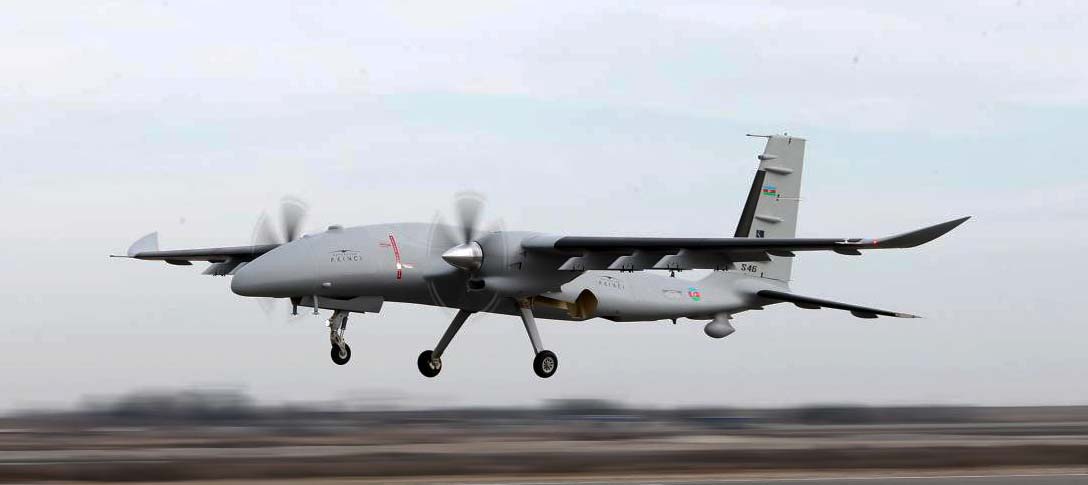
The RSF publicly said it shot down a Turkish-made Bayraktar drone over Dilling’s El Furshaya area, a claim that Radio Dabanga records as their tenth claimed shoot-down in recent months.
Other reports in the same briefing attribute the original Dilling strike to the RSF and the Popular Movement.
The RSF claim is presented as the RSF’s statement — a reported claim rather than an independently verified fact in the sources provided.
Incidents in both South and North Kordofan, including strikes on markets and neighbourhoods, are described alongside warnings from human rights groups about "scorched earth" tactics.
Coverage Differences
Claim vs. independent verification
Radio Dabanga (Other) quotes the RSF’s own statement — “The RSF said it shot down a Turkish-made Bayraktar drone over Dilling’s El Furshaya area, their tenth claimed shoot-down in recent months” — and also attributes the Dilling neighbourhood strike to the RSF and Popular Movement; the outlet reports these as allegations and claims rather than independently verified facts. Dabanga Radio TV Online (Other) does not report the RSF shoot-down claim in the provided snippet and instead focuses on the Doctors Network’s demands for mining safety, illustrating a divergence in which statements each source highlights. Radio Dabanga reports: “The RSF said it shot down a Turkish-made Bayraktar drone over Dilling’s El Furshaya area, their tenth claimed shoot-down in recent months.” Dabanga Radio TV Online reports: “The Doctors Network urged the Sudanese Mineral Resources Company and authorities to take immediate action to protect miners, calling for clear, binding guidelines for traditional mining.”
Humanitarian impacts and responses
The humanitarian consequences described include civilian deaths and injuries, the displacement of thousands, and calls for urgent protective measures.
Radio Dabanga documents the killing and wounding of civilians in Dilling and the market strike in Abu Zaima, and quotes rights groups warning about “scorched earth” tactics.
Dabanga Radio TV Online highlights the Doctors Network’s demand that authorities implement binding safety standards and oversight to prevent further tragedies in mining contexts.
One source emphasizes immediate protection and accountability for civilians under attack, while the other stresses institutional safety reforms in hazardous sectors.
Both sources call for accountability but focus on different manifestations of risk, such as direct aerial attack versus unsafe mining practices.
Coverage Differences
Focus and remedy emphasis
Radio Dabanga (Other) frames remedies largely as demands for humanitarian access and accountability for aerial attacks on civilian areas, quoting calls to halt strikes on civilian sites; Dabanga Radio TV Online (Other) frames remedies as regulatory and preventive measures—calling for clear, binding mining guidelines, safety standards, training and monitoring, and for officials to be held accountable for oversight failures. This reflects a difference in immediate vs. systemic remedy emphasis in the two sources’ reporting. Radio Dabanga reports: “Human rights groups warn that intensified fighting and “scorched earth” tactics have forced thousands to flee their homes.” Dabanga Radio TV Online reports: “It blamed officials for the incident, citing disregard for safety, weak oversight and failure to enforce laws, and demanded those responsible be held accountable and urgent steps be taken to prevent similar tragedies.”