Rapid Support Forces Attack Sali In Sudan’s Blue Nile, Escalation Worsens Humanitarian Crisis
Key Takeaways
- RSF and Sudanese army clash over strategic areas in Blue Nile.
- Humanitarian catastrophe deepens with famine, displacement, and civilians suffering.
- Violence has persisted since April 2023, described as total war with regional spillover risk.
Blue Nile fighting and displacement
Fighting in Sudan’s Blue Nile region has intensified, with Al Jazeera describing a marked military escalation between the Sudanese army and the Rapid Support Forces as they attempt to breach sensitive strategic positions.
“The battles that the city of Sali in the Blue Nile region has witnessed reflect a marked military escalation in the pace of clashes between the Sudanese army and the Rapid Support Forces, amid repeated attempts to breach sensitive strategic positions”
In the city of Sali, Al Jazeera reports that a source in the army told the outlet that the Rapid Support Forces launched an attack “this morning” on a city “which is under army control.”

Al Jazeera’s Osama Sid Ahmed, reporting from Damazin, said developments on the ground show “a noticeable acceleration,” with fighting fronts flaring “especially along the Kor Mok axis and other areas.”
The outlet adds that the city of Sali is strategically important because it “hosts a military base,” making it “a frequent target of attempts to advance by the Rapid Support Forces.”
According to military sources cited by Al Jazeera, the latest attack was carried out in “four successive waves,” with the Rapid Support Forces allied with the Popular Movement, but the army “managed to repel them, inflicting casualties and material losses.”
Al Jazeera also links the escalation to a worsening humanitarian situation, describing civilians’ suffering amid “ongoing displacement and deteriorating living conditions.”
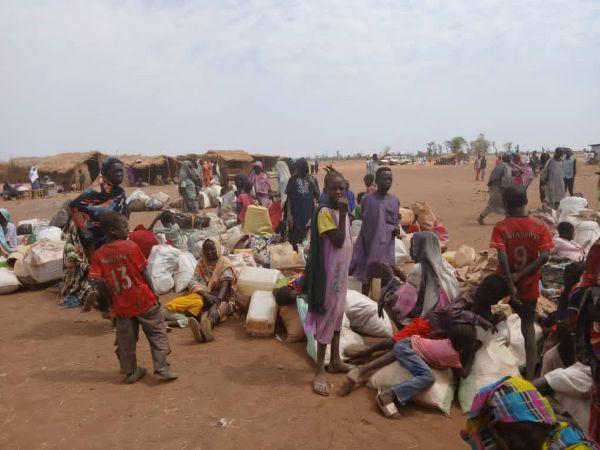
In Rosiris, Al Jazeera records humanitarian conditions for displaced people from the Kisaan area, describing scenes that reflect escalating suffering and forced movement.
Humanitarian crisis and needs
Al Jazeera’s reporting portrays displacement routes and camp conditions in Blue Nile as worsening, with civilians fleeing for fear of raids and attacks.
The displacement journey Al Jazeera describes extends from Kisaan, “southeast Sudan,” passing through several areas to Rosiris, “east of Damazin,” covering “more than 200 kilometers,” with “an estimated 5,000 families displaced.”
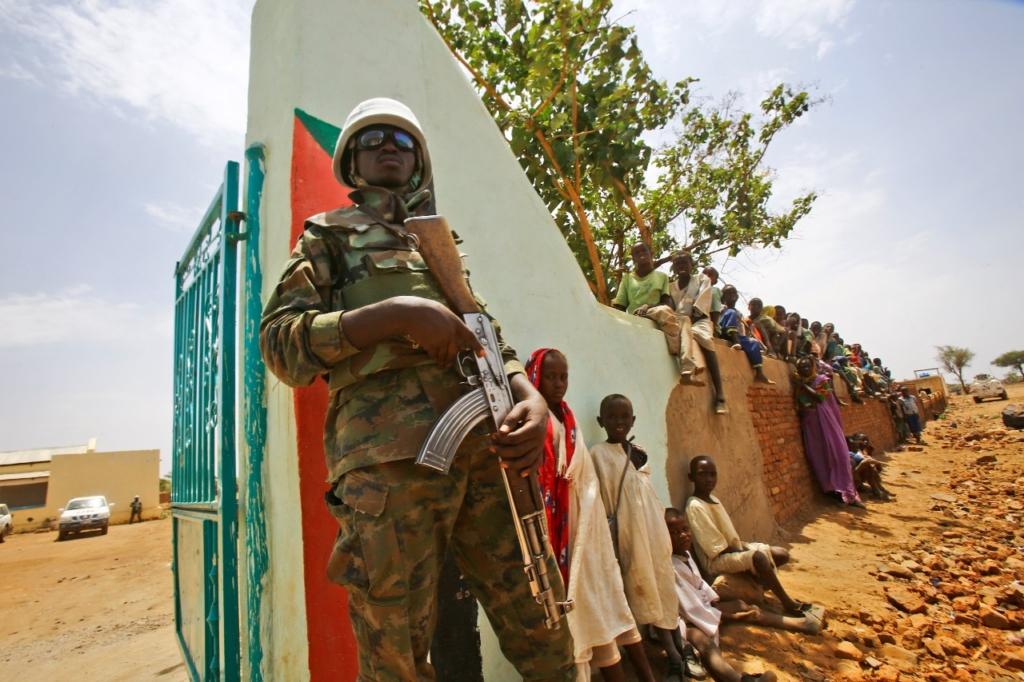
Al Jazeera says “most of them women, children, and the elderly,” and it reports that they fled “for fear of a raid by the Rapid Support Forces and the Popular Movement,” which “repeatedly targeted the area using drones.”
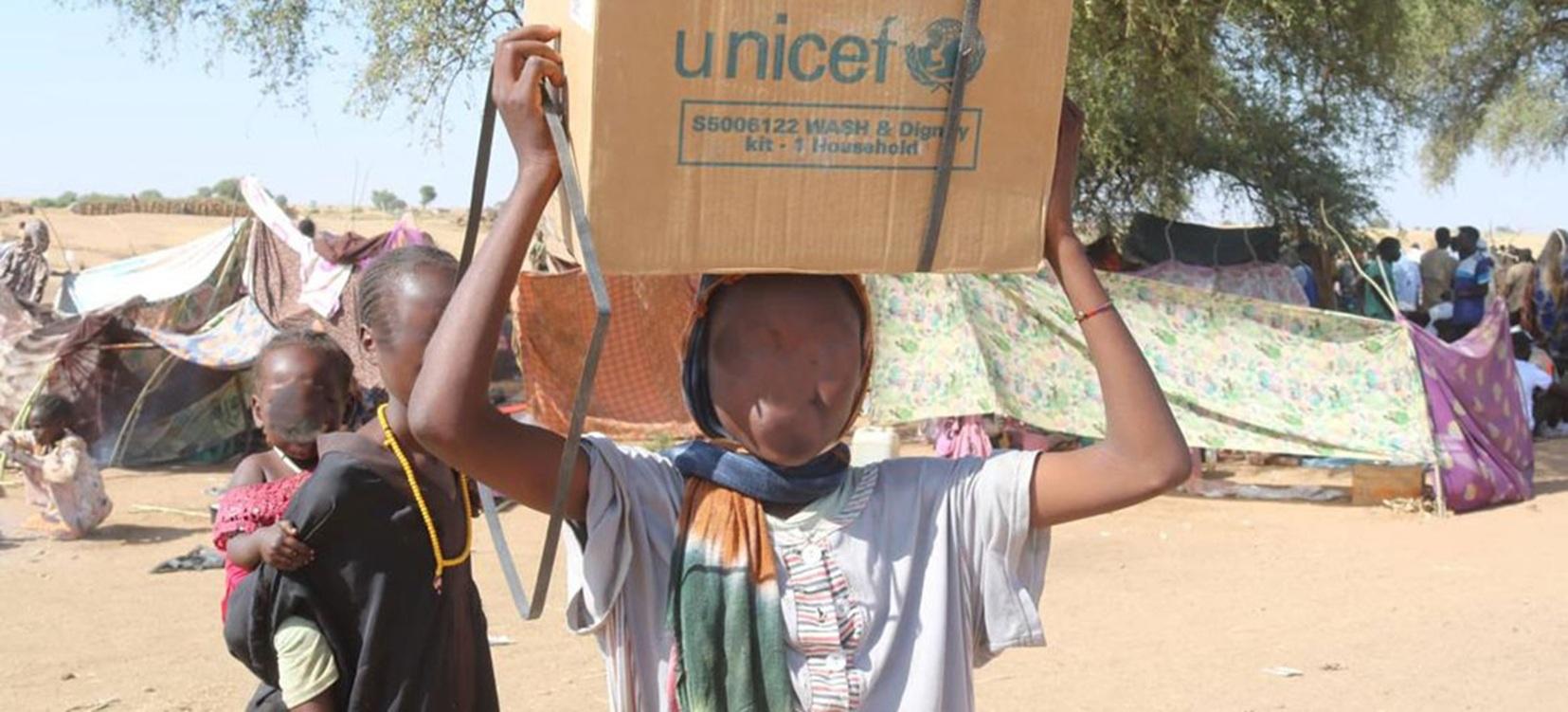
The outlet adds that displaced people face “food shortages and lack of proper shelter,” while aid provided by “government entities and humanitarian organizations does not cover the minimum needs.”
Al Jazeera quotes Zuhair Ibrahim, director of the Kisaan administrative unit, saying there is “relative stability inside some camps,” but urging charitable bodies and organizations to provide basic shelter supplies “such as mosquito nets, hygiene tools, and water storage containers.”
In parallel, UNICEF’s French-language briefing frames the broader war as a humanitarian catastrophe, stating that “Depuis le 15 avril 2023, le Soudan est déchiré par une guerre civile” between the Sudanese Armed Forces (FAS) and the Rapid Support Forces (FSR).
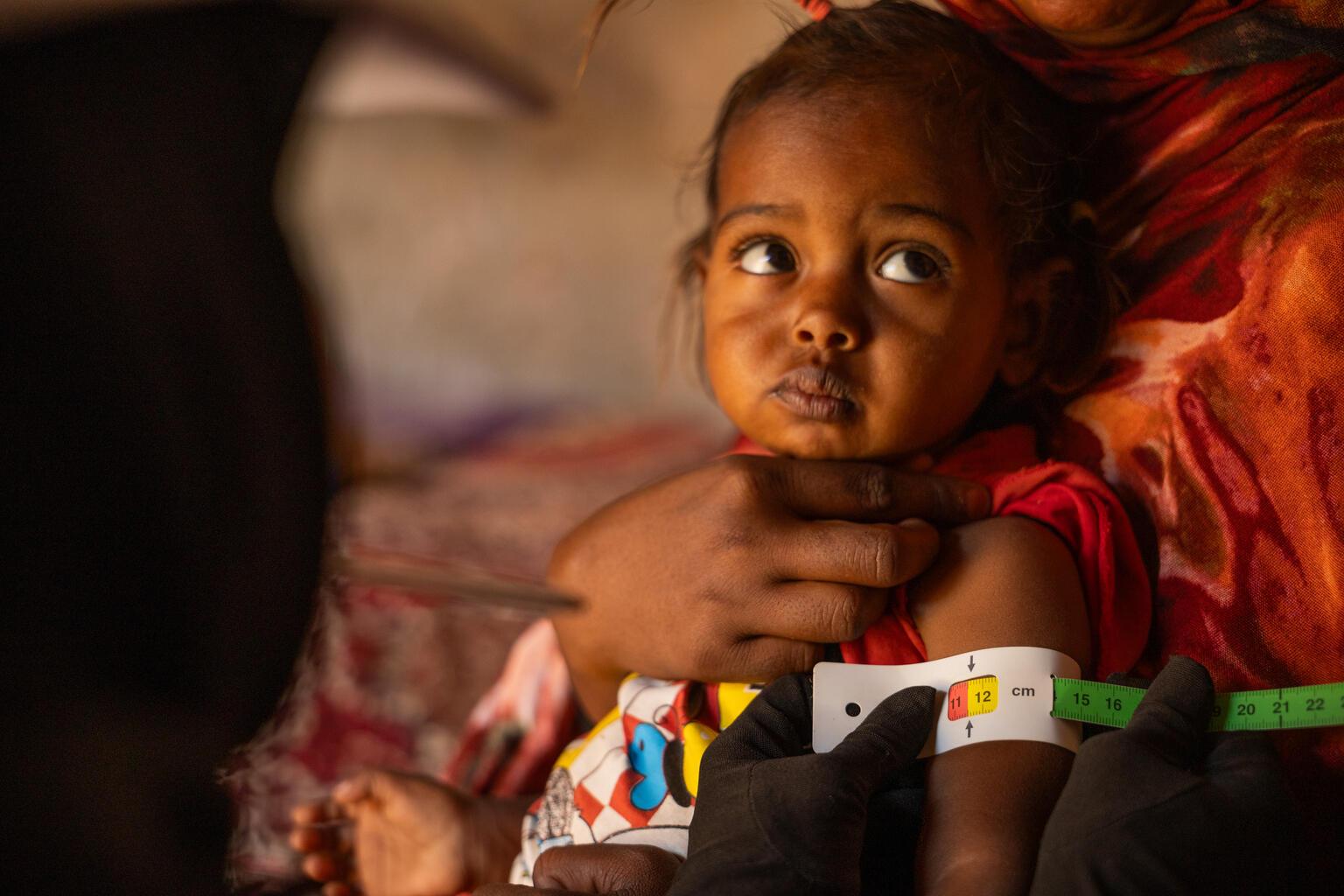
UNICEF provides key figures including “33,7 millions de personnes” needing emergency humanitarian aid, “17,3 millions d’enfants,” and “14 millions de personnes” displaced or refugees, while also saying “20 millions de personnes souffrent d’insécurité alimentaire aiguë.”
UNICEF further warns that “le risque sanitaire s’aggrave” and that cases of “choléra ou de rougeole” are increasing, and it links famine risk to constraints on humanitarian access and “la baisse des financements internationaux.”
Voices: officials, activists, survivors
Multiple voices in the sources describe both the immediate suffering in Blue Nile and the wider conflict’s human toll, linking escalation to civilian harm and aid shortfalls.
“Sudan: The Endless War That Threatens to Ignite the Entire Region Nearly three years after the rupture between the army of General Abdel Fattah al-Burhan and the Rapid Support Forces (RSF) of Mohamed Hamdan Daglo, what began as a power struggle has evolved into a total war”
Al Jazeera includes the account of Awatif, “a mother of seven,” who recounts the “journey of escape,” pointing to “the risks she faced while walking at night for days, alongside her children’s illness and fatigue.”
Al Jazeera also quotes Zuhair Ibrahim, urging supplies like “mosquito nets, hygiene tools, and water storage containers,” and it describes how displaced children are “deprived of education” while lacking “food and healthcare.”
In the same Al Jazeera report, a doctor named Mahasin tells Al-Jarida that “health facilities are under unprecedented pressure,” and that “we are receiving daily cases of exhaustion and malnutrition, and some children arrive severely dehydrated.”
Al-Jarida’s account also includes warnings from activists that continuing displacement flows without urgent humanitarian response could produce “a broader catastrophe,” and it says the United Nations expressed “grave concern” over escalation and “harm to civilians and hindrance of aid deliveries.”
Amnesty International France’s conflict explainer names key leaders and describes the escalation since April 15, 2023, saying “violent clashes erupted on Saturday, April 15, 2023, in Khartoum” and across “several cities across the country.”
Amnesty International France also states that “RSF soldiers commit sexual violence against Sudanese women and girls.”
UN News adds additional quoted voices, including Rosemary DiCarlo’s warning that “No corner of Sudan is safe from the threat of an attack,” and it includes Hala Alkarib’s statement that “Every day this war continues destroys lives and brutalizes the bodies of Sudanese women and girls.”
How different outlets frame the war
The sources diverge in emphasis, with some focusing on tactical escalation in Blue Nile while others broaden to national and regional consequences, and still others concentrate on hunger, displacement, and accountability.
Al Jazeera’s Blue Nile reporting centers on the city of Sali, describing an attack in “four successive waves” and the strategic importance of a military base, then shifts to displacement measured in “more than 200 kilometers” and “an estimated 5,000 families displaced.”
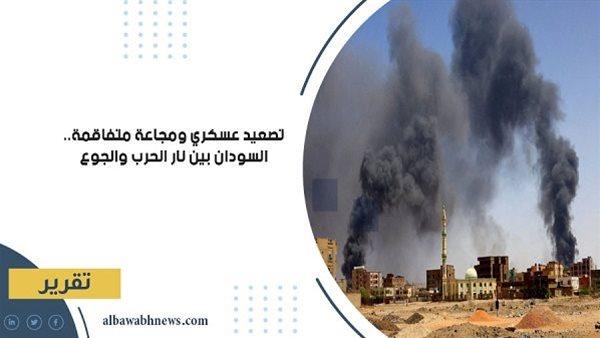
Al-Jarida similarly emphasizes Blue Nile’s front lines, describing “intensive drone attacks” that “targeted civilians and civilian sites,” and it says drone strikes “also targeted a hospital in Sennar.”
By contrast, UNICEF’s briefing frames Sudan as a multi-year civil war that began “Depuis le 15 avril 2023,” and it foregrounds humanitarian indicators such as “33,7 millions de personnes” needing emergency aid and “20 millions de personnes” suffering acute food insecurity, while also discussing cholera and measles increases and famine confirmations.
Amnesty International France’s explainer places the conflict in a longer political arc, recounting Darfur’s 2003 outbreak and the April 15, 2023 escalation in Khartoum, and it highlights alleged patterns of violations including “indiscriminate attacks,” fighters positioned among civilians, and “RSF soldiers commit sexual violence against Sudanese women and girls.”
UN News, meanwhile, frames the conflict as threatening regional spillover, quoting Rosemary DiCarlo that “The risk of regionalization of the conflict is an urgent concern,” and it adds an example of cross-border violence by reporting that “On January 16, seven Chadian soldiers were killed in clashes with RSF elements along the border.”
Even within the Blue Nile-focused reporting, Al Jazeera and Al-Jarida differ in the way they describe the humanitarian picture: Al Jazeera highlights camps, education deprivation, and specific supplies like “mosquito nets,” while Al-Jarida stresses overcrowded shelters and shortages of “essential medicines, malaria treatment, and antibiotics.”
Famine, regional risks, and next steps
Across the sources, the stakes are framed as both immediate—health, shelter, and food—and longer-term, including famine confirmations and regional destabilization.
“Blue Nile state in Sudan is witnessing a rapid ground escalation amid conflicting accounts between the Sudanese army and the Rapid Support Forces over control of strategic areas, as the humanitarian crisis worsens to unprecedented levels, with the country topping the list of the world's worst hunger crises according to the latest international reports”
UNICEF says that “Famine au Soudan : des millions de vies menacées,” and it reports that “En juin 2025, le Comité de Révision de la Famine (CRF) a confirmé l’existence d’une situation de famine dans le camp de Zamzam au Darfour du Nord où plus de 400 000 personnes étaient réfugiées.”
UNICEF adds that famine was later confirmed “dans deux autres états : Al-Fasher et Kadugli,” and it describes critical malnutrition thresholds in “Um-Baru et Kernoi” with “52,9 % et 34 %” malnutrition rates.
UNICEF also estimates that “4,2 millions d’enfants” could suffer malnutrition, including “825 000” with severe acute malnutrition, and it warns that “le manque de financement des services essentiels pourrait priver des milliers de familles d’une aide vitale.”
UN News describes the collapse of basic services and the targeting of humanitarian operations, quoting Edem Wosornu of OCHA that “Basic services are close to total collapse, food is largely unavailable on markets and most health facilities have exhausted their stocks of medical supplies.”
UN News also states that “Humanitarian convoys are targeted, hospitals bombed,” and it reports that “More than a hundred humanitarian workers have been killed since the war began.”
Amnesty International France adds a political and accountability dimension, stating that “The city of El Fasher endured an 18-month siege before falling into RSF hands on October 26, 2025,” and it says “260,000 people were trapped, victims of atrocities, with no humanitarian aid able to enter the city.”
In terms of diplomatic and operational next steps, UN News reports that “Diplomatic efforts are underway to obtain a humanitarian truce,” and it quotes Rosemary DiCarlo that “we must anchor any ceasefire in a credible political process that opens the way to an inclusive transition.”
More on Sudan
UNICEF Warns Darfur Children Face Acute Crisis After April 2024 Violations
15 sources compared
Egypt Launches 21 Free Return Journeys for Sudanese Refugees From Cairo to Sudan
11 sources compared

UNICEF Issues Child Alert as Sudan’s Darfur Children Face Rapidly Worsening Humanitarian Catastrophe
18 sources compared

Sudan Bans Imports of More Than 40 Goods to Curb Sudanese Pound Depreciation
10 sources compared