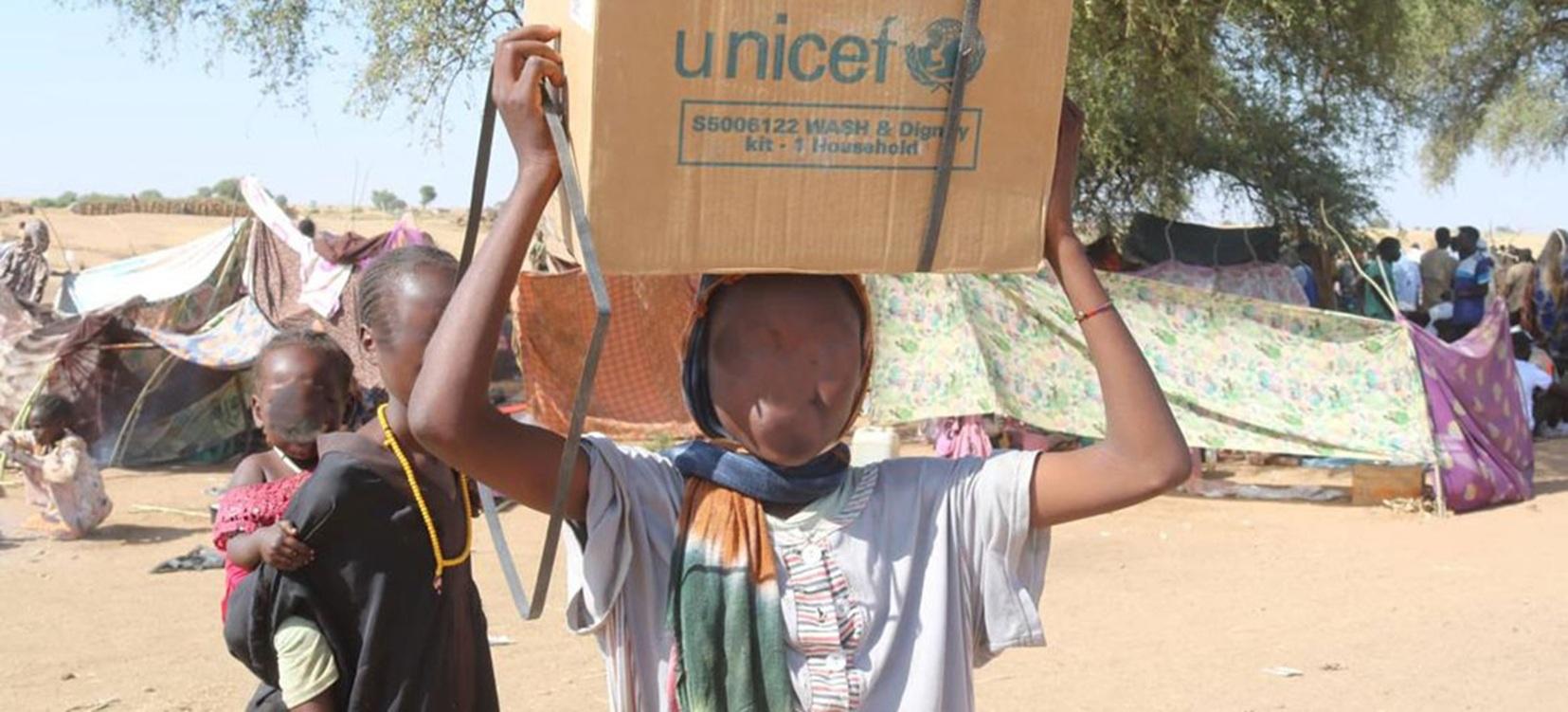
UNICEF Warns Darfur Children Face Acute Crisis After April 2024 Violations
Key Takeaways
- Around five million children in Darfur face extreme deprivation amid ongoing violence.
- UNICEF issued a Child Alert for Darfur, citing violence, hunger and displacement.
- International attention and funding have waned since April 2024 despite worsening conditions.
UNICEF’s Darfur warning
UNICEF has warned that children in Darfur are facing a new humanitarian catastrophe two decades after the region first drew global attention, but with far less international focus and support.
“UNICEF warned that Sudan's children are living on the edge of a precipice, noting that the country's humanitarian crisis is rapidly worsening and that without immediate international intervention their suffering would only intensify”
In a report titled “Darfur: Twenty Years On, Children Under Threat,” UNICEF said violence has devastated communities and displaced millions across Sudan, leaving children “once again trapped in an acute crisis.”
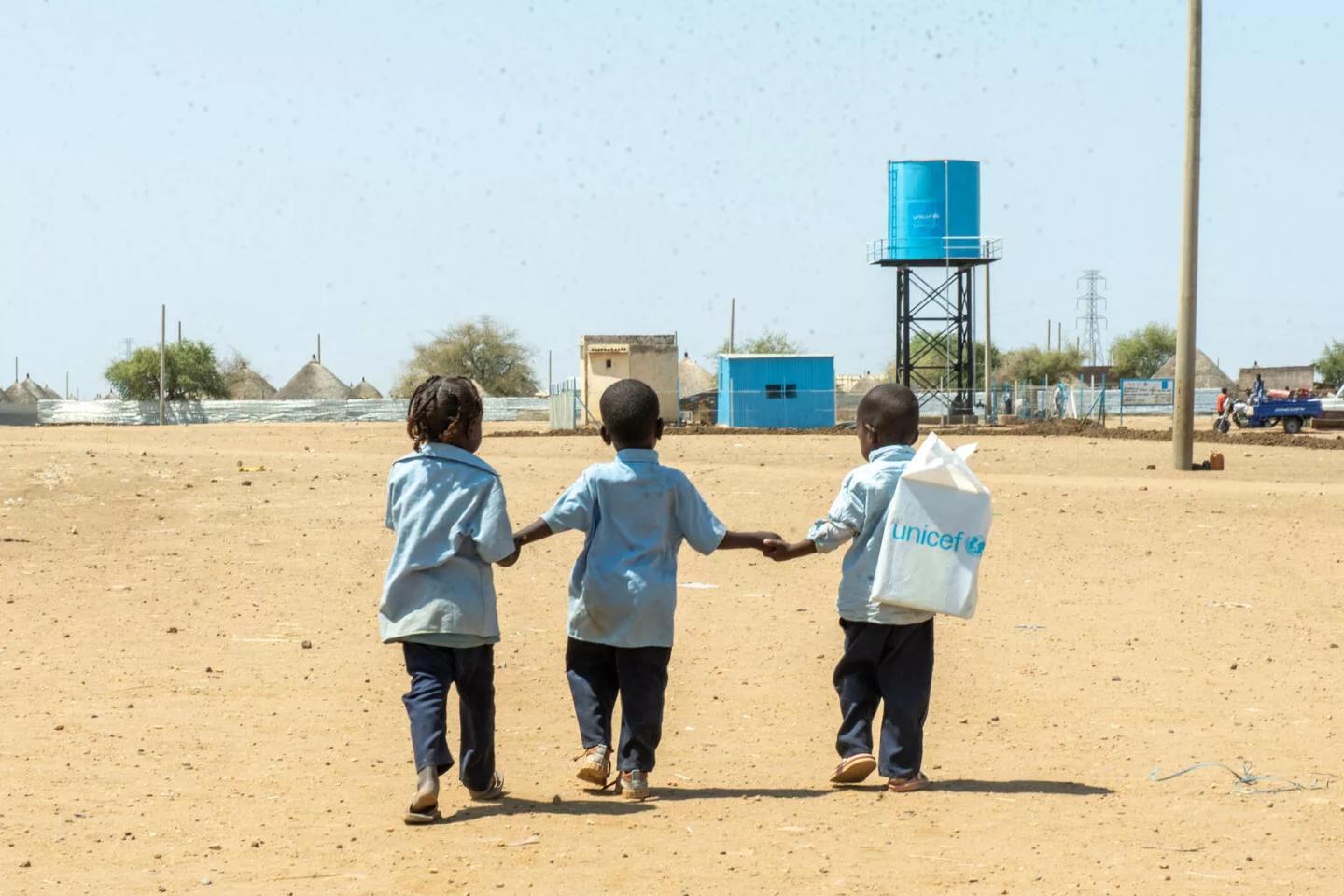
The agency highlighted a sharp escalation in extreme violence against children in El Fasher, saying that “Since April 2024, more than 1,500 grave violations against children have been documented in the city alone.”
UNICEF also said the violations include “the killing and maiming of more than 1,300 children,” with many incidents involving explosive weapons and drones, as well as sexual violence, abduction, and the recruitment and use of children by armed groups.
UNICEF warned that the figures are likely to underestimate the true scale, with similar patterns reported elsewhere in the country.
The agency tied the current crisis to the earlier Darfur emergency, saying that “Twenty years ago, the world united to condemn the suffering of children in Darfur,” but that “Today, a new generation of children faces the same horrors of appalling violence, hunger and displacement.”
UNICEF’s executive director Catherine Russell said, “We cannot allow history to repeat itself. The children of Darfur need protection and sustained humanitarian access. The parties to this conflict must end this brutal war.”
Escalation and the numbers
UNICEF’s warning places the most acute child risk in El Fasher and other parts of North Darfur, describing a siege-driven collapse of access to basic services.
The agency said ongoing fighting and “the siege of El Fasher and other parts of North Darfur have cut off access to food, clean water and healthcare,” forcing families to flee to “already overcrowded areas.”
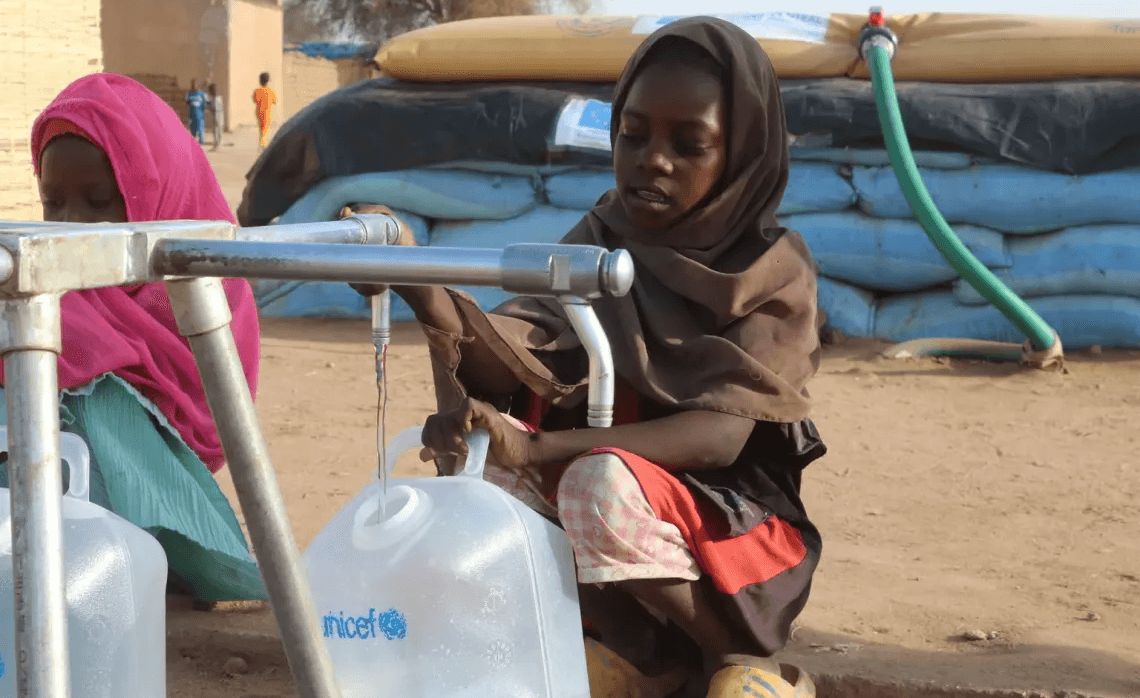
UNICEF reported that “Since the war began, the United Nations has recorded more than 5,700 grave violations against children across Sudan,” affecting “at least 5,100 children,” with “more than 4,300 killed or injured.”
It added that the situation is deteriorating, with “in the first three months of 2026 alone, at least 160 children were reported killed and 85 injured,” and described this as “a marked increase compared with the same period last year.”
UNICEF also said that “Across the region, essential infrastructure has been severely damaged or destroyed,” worsening “famine, hunger and disease” and contributing to “the collapse of livelihoods.”
In its separate UNICEF press release, the agency said the report notes “stark similarities between the current situation and UNICEF’s first report under the same title in 2005,” when “global momentum successfully spurred a broad humanitarian response.”
UNICEF’s Sudan representative Sheldon Yett told reporters that “Children are at a breaking point,” and UNICEF’s warning described children’s lives as being defined by “fear, by loss,” with “Homes have been burned, schools and health facilities have been damaged or destroyed.”
Voices: UNICEF and the call
UNICEF’s warning is accompanied by direct statements from UNICEF leadership and UNICEF’s Sudan representative, with the agency framing the crisis as a repeat of the 2005 pattern unless parties act.
“Speaking during a White House state dinner for the British monarch’s state visit to Washington on Tuesday, President Donald Trump said that t”
UNICEF executive director Catherine Russell said, “We cannot allow history to repeat itself. The children of Darfur need protection and sustained humanitarian access. The parties to this conflict must end this brutal war.”
In the same UNICEF materials, Russell urged that “Children in Darfur need protection and sustained access to humanitarian aid,” and said, “The parties to this conflict must end this brutal war.”
UNICEF’s Sudan representative Sheldon Yett told reporters, “Children are at a breaking point across the region, childhood is again defined by fear, by loss. Homes have been burned, schools and health facilities have been damaged or destroyed.”
Yett also said, “Children are bearing the heaviest weight of the war in Darfur, children are beng killed and maimed, uprooted from their homes and pushed into extreme hunger, disease and trauma,” in a statement carried by AnewZ.
UNICEF’s warning also includes a call for parties to respect international law and protect civilians, including children, and to guarantee safe and unhindered humanitarian access.
The UNICEF press release said the report calls on “the parties to the conflict to respect international law and protect civilians, including children; guarantee safe and unhindered humanitarian access; and end and prevent serious violations against children.”
Different outlets, different emphases
While all the coverage centers on UNICEF’s “Child Alert” warning for Darfur, different outlets emphasize different aspects of the same underlying report and crisis.
UNICEF’s own press release and other reports foreground the El Fasher figures and the “Children’s Alert” framing, with UNICEF saying “Since April 2024, more than 1,500 grave violations against children have been documented in El Fasher alone” and that the UN has documented “more than 5,700 grave violations against children by armed parties across Sudan.”
Arab News and AnewZ both quote Sheldon Yett’s description of children’s conditions, with Arab News reporting Yett’s line that “Children are bearing the heaviest weight of the war in Darfur, children are being killed and maimed, uprooted from their homes and pushed into extreme hunger, disease and trauma,” while AnewZ repeats a similar quote with “children are beng killed and maimed.”
Radio Tamazuj adds a different set of figures and context, saying “about 33 million people across the country need humanitarian assistance, more than half of them children,” and “About 15 million people have been displaced, including about 5 million children.”
Radio Tamazuj also reports on the UNICEF appeal funding level, stating “only 16% of UNICEF's Sudan humanitarian appeal for 2026 funded,” and it says “In the first 90 days of 2026, reports indicate at least 245 children were killed or injured.”
In contrast, the European Sting and other summaries focus more on the “Child Alert” as a threshold signal and on the parallels to 2005, quoting Catherine Russell’s line that “Twenty years ago, the world united in outrage at the suffering of children in Darfur. Today, a new generation of children is living through horrific violence, hunger and terror.”
The different presentations also vary on how they describe the humanitarian response, with UNICEF’s materials listing actions like “delivering clean water and sanitation,” “supporting mobile health services,” and “establishing safe spaces for children,” while other outlets stress the “famine levels” and the siege-driven cutoffs.
What comes next
UNICEF’s report and the accompanying coverage describe a crisis that is worsening and a humanitarian response that is being outpaced by needs, with access and funding constraints limiting what UNICEF and partners can deliver.
“UNICEF has warned that children in Darfur are facing a new humanitarian catastrophe, two decades after the region first drew global attention, but with far less international focus and support”
UNICEF said humanitarian efforts remain “heavily constrained by insecurity, bureaucratic obstacles and a lack of funding,” leaving many children “without assistance at times of acute need.”

The UNICEF materials warn that “The report stresses that humanitarian response is being outpaced by growing needs on the ground,” and they describe communities in North Darfur as being “cut off from essential supplies such as food and clean water because of prolonged sieges.”
UNICEF also said that “Despite ongoing efforts by UNICEF and partners to provide emergency health services and nutrition support, aid is not reaching the most vulnerable populations.”
In its press release, UNICEF said it continues to deliver lifesaving assistance and listed activities including “delivering clean water and sanitation,” “supporting mobile health services,” “providing psychosocial support,” and “establishing safe spaces for children where they can access education and psychosocial support.”
UNICEF also gave scale figures for its 2025 work, saying “In 2025, UNICEF reached 14.7 million people with safe water, treated 612,000 children suffering from malnutrition and supported education for 3.2 million children,” while also warning that “these impact numbers… only cover a fraction of what's needed.”
The agency’s warning ties the immediate child risk to cross-border displacement, saying millions have been displaced “including across borders into eastern Chad, where already overstretched services are struggling to cope.”
More on Sudan
Egypt Launches 21 Free Return Journeys for Sudanese Refugees From Cairo to Sudan
11 sources compared

UNICEF Issues Child Alert as Sudan’s Darfur Children Face Rapidly Worsening Humanitarian Catastrophe
18 sources compared

Sudan Bans Imports of More Than 40 Goods to Curb Sudanese Pound Depreciation
10 sources compared
Investigation Finds UAE-Backed Colombian Mercenaries Helped Sudan’s RSF Capture El-Fasher
10 sources compared