Full Analysis Summary
Drone strike casualties in Sudan
A Sudanese army source told Al Jazeera that a Rapid Support Forces (RSF) drone struck the city of Al-Duwaym in White Nile State.
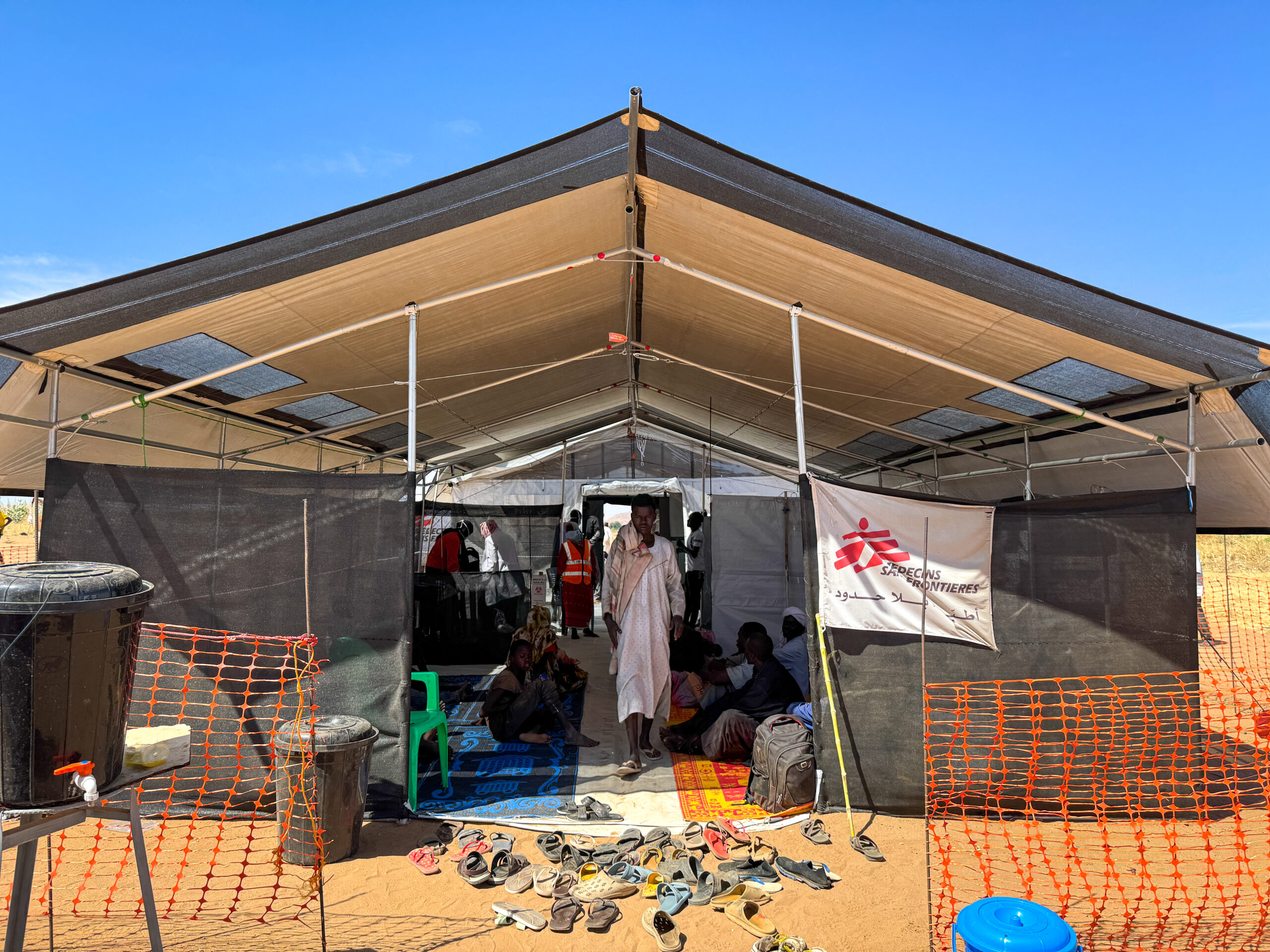
Doctors Without Borders (MSF) says its teams have treated dozens of people wounded by drone strikes across Sudan.
MSF reports that, in the first two weeks of February, its teams treated 167 patients with penetrating chest and abdominal wounds, multiple limb fractures, head trauma and shrapnel wounds linked to drone raids in Kordofan and Darfur.
The combined reporting highlights both a specific strike reported in White Nile and a broader pattern of drone casualties treated by MSF in other states.
Coverage Differences
Detail emphasis
Al‑Jazeera (West Asian) reports a specific incident — quoting a Sudanese army source that an RSF drone struck Al‑Duwaym — emphasizing location-level reporting. Doctors Without Borders (Other) focuses on clinical totals and injury types (167 patients, penetrating wounds, fractures, head trauma) across Kordofan and Darfur. doctorswithoutborders.ca (Other) reiterates MSF's medical summary but does not quote the Sudanese army source about Al‑Duwaym, showing a difference in incident-level versus medical-overview emphasis.
MSF on drone injuries
MSF describes the severity and nature of the wounds it treated: penetrating chest and abdominal injuries, multiple limb fractures, head trauma and shrapnel wounds, including cases with extensive facial injuries and amputations.
MSF medical staff cited a nine-year-old boy with major facial wounds, shrapnel in his eye and two amputated fingers as an example of the level of harm clinicians are seeing.
That clinical detail underlines MSF's portrayal of drone strikes as producing catastrophic, often mutilating injuries among civilians.
Coverage Differences
Injury detail
Doctors Without Borders (Other) supplies graphic, clinical descriptions and an individual patient example to demonstrate severity. doctorswithoutborders.ca (Other) repeats the clinical list of wounds but with slightly different phrasing (e.g., 'penetrating chest and abdominal wounds'). Al‑Jazeera (West Asian) references MSF's summary of injuries in its reporting but does not include the individual patient anecdote, showing variation in the use of human-detail to convey severity.
MSF casualty reports
MSF documents specific strike incidents that resulted in mass casualties and cross-border medical flows.
It reports SAF strikes on a fuel market in Adikong, West Darfur that sent 18 injured people, including four women and three children, into Adré in eastern Chad on February 15.
It also reports two RSF strikes in western Sudan that brought 29 injured people to an MSF-supported hospital in Tine on February 6.
MSF reported at least 10 people were killed in those incidents, with four of the deaths occurring at the hospital.
These incident reports situate the 167 treated patients within named attacks and show displacement of the wounded to neighbouring countries for care.
Coverage Differences
Incident reporting
Doctors Without Borders (Other) provides named incidents (Adikong fuel market, Adré, Tine hospital) with dates and casualty counts; doctorswithoutborders.ca (Other) reiterates the pattern of attacks but focuses on aggregate treatment numbers rather than detailing each incident. Al‑Jazeera (West Asian) does not include the Adikong/Adré and Tine specifics in the provided excerpt, highlighting that MSF's direct reporting contains more incident-level clinical logistics.
MSF warnings and media reports
MSF frames the strikes as not limited to military targets and as a 'blatant disregard for international humanitarian law,' calling for the immediate protection of civilians and warning that civilians and humanitarian workers are at grave risk.
Al-Jazeera relays MSF's assessment while reporting the RSF strike on Al-Duwaym.
doctorswithoutborders.ca repeats MSF's call for protection, and together these sources convey both the medical and legal concern raised by MSF across different source types.
Coverage Differences
Legal framing
Doctors Without Borders (Other) explicitly states the attacks 'amount to blatant disregard for international humanitarian law' and issues an urgent call for civilian protection. Al‑Jazeera (West Asian) reports MSF's findings and includes the specific Al‑Duwaym claim from a Sudanese army source, which adds a sourced incident to MSF's legal framing. doctorswithoutborders.ca (Other) echoes MSF's legal and protection call but, like the MSF statement, focuses on urging protection rather than quoting external sources about specific strikes.
Al-Jazeera and MSF coverage
Taken together, the sources show complementary but distinct perspectives.
Al-Jazeera provides on-the-ground sourcing for a named RSF strike in White Nile.
MSF (and its .ca release) provide aggregated clinical data, individual patient testimony, incident lists and an explicit legal judgment that the strikes violate protections for civilians.
The differences reflect source type: a West Asian outlet relaying a local army source on a discrete strike versus MSF's organizational reporting that centers health impacts, case numbers and humanitarian appeals.
Coverage Differences
Narrative framing
Al-Jazeera (West Asian) emphasizes a sourced incident ('A Sudanese army source told Al Jazeera...'), while Doctors Without Borders (Other) centers casualty figures, injury descriptions and legal conclusions; doctorswithoutborders.ca (Other) reiterates MSF's medical summary and protection appeal. These choices shape whether coverage reads as incident-reporting (Al‑Jazeera) or humanitarian impact and advocacy (MSF sources).