Sudan24 November, 20253 min read
Rapid Support Forces Declare Unilateral Three-Month Humanitarian Truce in Sudan
RSF declared an immediate, unilateral three-month humanitarian ceasefire Army chief al-Burhan condemned the Quad plan, calling it undermining the army
21 outlets told this the same way.
Outlets did split on Air Strike Destroys Two WFP Trucks Carrying Food for 5,800 People in South Kordofan →
Sudan RSF truce
Sudan's paramilitary Rapid Support Forces (RSF) announced a unilateral three-month humanitarian truce in a recorded address by commander Mohamed Hamdan Dagalo (Hemedti). The RSF said the pause responds to international calls and aims to protect civilians, ease aid deliveries, set up field monitoring and pursue accountability. Several outlets report Dagalo framed the move as coordinated with external mediators, with Al Jazeera saying the pause was 'agreed with the Quad, the African Union and IGAD.'
“Sudan’s paramilitary Rapid Support Forces (RSF) announced a unilateral three-month humanitarian truce in a recorded address by commander Mohamed Hamdan Dagalo (Hemedti), saying the pause — agreed with the Quad, the African Union and IGAD — aims to protect civilians, ease aid deliveries, set up field monitoring and pursue accountability.”
Anadolu Ajansı quoted the RSF saying the truce 'takes effect immediately, halts all hostile actions,' and France 24 recorded the RSF's announcement dated 24 November. The BBC and TRT World likewise report the RSF declared a unilateral three-month ceasefire as the latest diplomatic push to expand humanitarian access after months of fighting that began in April 2023.
Sudan military rejection
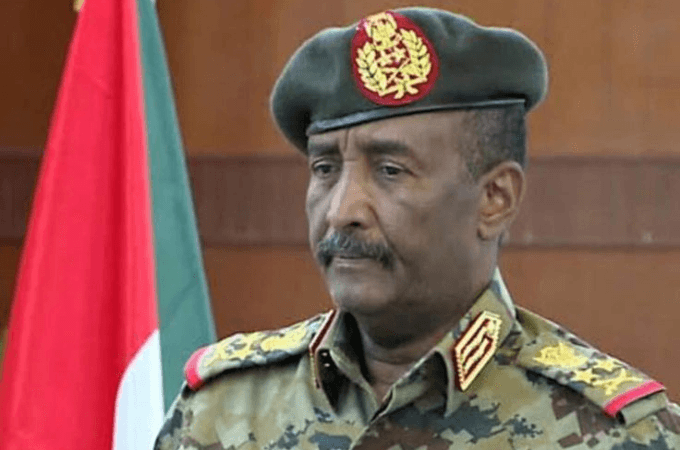
The rival Sudanese Armed Forces (SAF) rejected the deal, with army chief Gen. Abdel Fattah al-Burhan denouncing the Quad roadmap and accusing mediators of bias.
Multiple reports quote Burhan calling the proposal unacceptable, saying it would "effectively eliminate the armed forces and dissolve security agencies" and arguing any solution must force RSF withdrawal from captured areas.

Outlets including Al Jazeera, The North Africa Post and France 24 describe his dismissal of the plan, while African Insider and The Sun Malaysia record Burhan's strong phrasing and the UAE's public rebuttal of his criticism.
RSF truce and commitments
The RSF’s announcement lays out concrete humanitarian pledges and political exclusions. Sources report the truce would secure aid-worker movement, guarantee unhindered access to affected areas, protect facilities and warehouses, allow medical and relief teams to operate, and create field monitoring under the Quad and African Union.
“In a recorded statement, RSF commander Mohamed Hamdan Dagalo said the truce takes effect immediately, halts all hostile actions, and obliges the RSF and allied groups to secure aid-worker movement, guarantee unhindered access to affected areas and warehouses, and allow medical and relief teams to operate.”
Anadolu Ajansı describes an approved field monitoring mechanism and committees to ensure safe aid delivery, while Sudans Post and The North Africa Post record RSF promises of investigations and accountability. The RSF leader also insisted any future political track must exclude the Islamic Movement, the Muslim Brotherhood and the National Congress Party, language echoed across several West Asian outlets.
Diplomatic reactions to RSF truce
International mediators and world leaders are prominent in reporting, with several outlets saying the RSF framed its truce as responding to a Quad proposal involving the US, Saudi Arabia, the UAE and Egypt and to US initiatives. Multiple West Asian outlets emphasize statements by former US President Donald Trump and broader US diplomacy. At the same time, Western mainstream and regional media underscore diplomatic tensions: the army accuses mediators of bias, the UAE denies arming the RSF, and the UN and analysts express scepticism that a unilateral pause can halt the conflict.
Humanitarian crisis overview
The announcement underscores a catastrophic humanitarian backdrop. Sources across regions report the war has killed thousands to possibly many tens of thousands and displaced millions, with estimates varying between about 12 million and 14 million. The RSF’s capture of El-Fasher generated urgent famine warnings.
“The conflict, which began in April 2023, has displaced some 12 million people and may have killed many thousands (one US estimate cited up to 150,000).”
Al Jazeera and SSBCrack News cite “tens of thousands” killed and “about 14 million” displaced. TRT World and the BBC record widespread international alarm about potential crimes against humanity or genocide after the El-Fasher siege. The North Africa Post and Sudans Post reference rights groups’ accusations of mass killings in El-Fasher.