Sudan17 December, 20253 min read
Rapid Support Forces' Drone Attacks Kill At Least 104 Civilians in Kordofan
This article is an automated aggregation of coverage from news outlets. Our editorials offer in-depth analysis curated by the NewsCord team.
At least 104 civilians killed by drone strikes across Sudan's Kordofan region Cholera and dengue outbreaks have surged, overwhelming health services and displacing civilians
5 outlets told this the same way.
Kordofan drone strike crisis
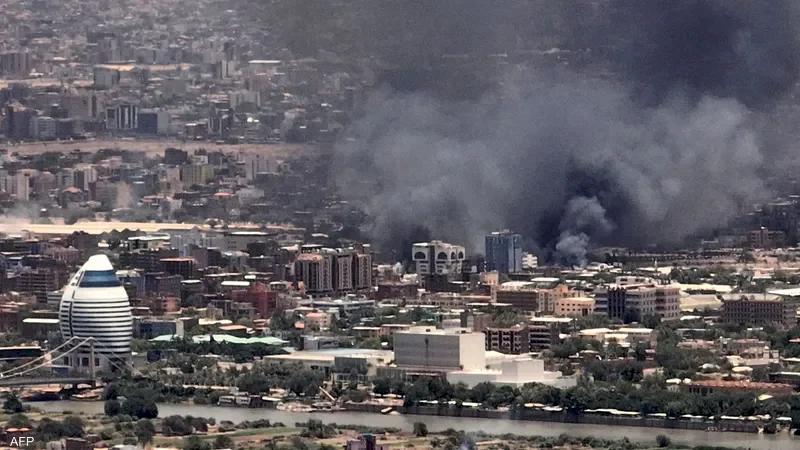
Since Dec. 4, multiple drone strikes in Sudan’s Kordofan region have killed at least 104 civilians, including 43 children, the UN rights office (OHCHR) reported.
“Since Dec. 4, at least 104 civilians — including 43 children — have been killed in multiple drone strikes in Sudan’s Kordofan region, the UN rights office (OHCHR) said.”
According to Balkanweb, one strike in Kalogi hit a kindergarten and a hospital and caused the bulk of the deaths.

This high toll comes amid a broader conflict that Al Jazeera says has killed at least 40,000 people since April 2023 and displaced more than 14 million.
Observers are concerned that the attacks in Kordofan are feeding into the region’s largest ongoing humanitarian crisis.
Local reporting also shows active clashes across Kordofan between the Sudanese army and the Rapid Support Forces (RSF), underlining how the drone strikes are occurring within a wider, multi-front war zone.
Reported deadly strikes
Balkanweb provides a detailed account of the deadliest single incident, a strike in Kalogi that hit a kindergarten and a hospital and reportedly killed at least 89 people, including eight women and 43 children.
Separate attacks on Dec. 13 and Dec. 14 reportedly killed six UN peacekeepers in Kadugli and at least six people, wounding 12 including medical staff, in Dilling.

Balkanweb presents these figures as UN-sourced, emphasizing that civilian infrastructure was hit and medical staff were among the casualties.
At the same time, local military reporting (Sada News) describes government air operations targeting RSF combat positions elsewhere in Kordofan.
Together the reports illustrate that both civilian and military sites are being struck amid the fighting.
Kordofan strike attribution
Responsibility for the drone strikes in Kordofan is unclear based on the provided reporting. Balkanweb attributes casualty figures to the UN rights office but does not assign blame in the excerpt. Sada News quotes military statements that the Sudanese army carried out airstrikes on RSF positions, implying government action but not directly linking those strikes to the UN's drone-strike toll.
“Since Dec. 4, at least 104 civilians — including 43 children — have been killed in multiple drone strikes in Sudan’s Kordofan region, the UN rights office (OHCHR) said.”
Al Jazeera does not discuss the Kordofan drone strikes specifically in the snippet provided, instead emphasizing nationwide casualties and displacement, which affects how readers interpret the Kordofan events within a larger crisis. Because the available snippets do not provide a direct, consistent attribution, asserting which actor launched the lethal drone strikes would be speculative beyond these sources.
Humanitarian toll and fighting
Balkanweb highlights civilian deaths, including many children, damaged health and education facilities, and UN warnings about escalating fighting and calls for an immediate ceasefire. Al Jazeera places Kordofan’s toll within a countrywide emergency that has put Sudan atop the IRC Emergency Watchlist and caused mass displacement. Sada News records continuing kinetic operations and notes the army said strikes were based on intelligence of planned RSF and Popular Movement attacks.
Taken together, these perspectives show overlapping concerns: mass civilian harm, an overwhelmed humanitarian situation, and ongoing military operations. They differ in emphasis and in the implication of responsibility.
Kordofan strikes and impact
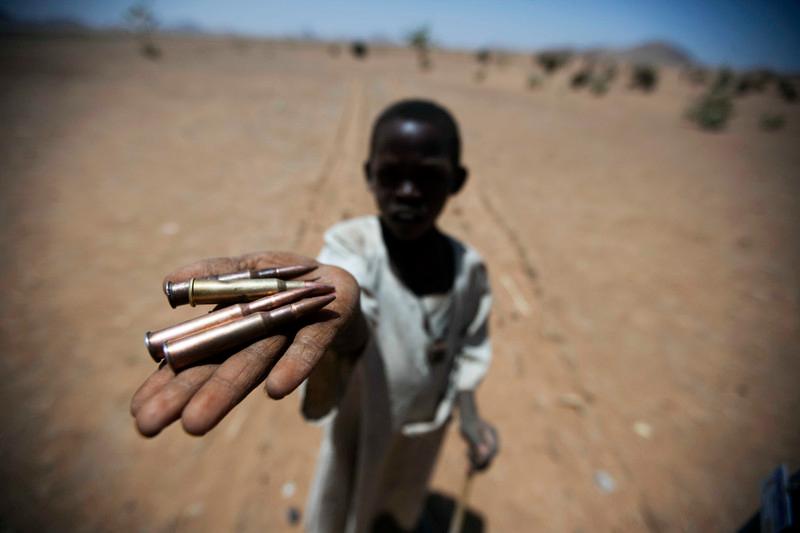
Given gaps and differences in the excerpts, a cautious conclusion can be drawn from these sources. UN reporting, cited by Balkanweb, records at least 104 civilian deaths in Kordofan from multiple drone strikes, including a devastating Kalogi incident.
“Since Dec. 4, at least 104 civilians — including 43 children — have been killed in multiple drone strikes in Sudan’s Kordofan region, the UN rights office (OHCHR) said.”
Sada News documents concurrent army air operations against RSF positions in the same region, and Al Jazeera places these events within a broader, catastrophic national emergency affecting millions. Together, the sources corroborate large-scale civilian suffering and active military operations but do not provide a single, consistent attribution for the drone strikes, leaving accountability unclear.