Full Analysis Summary
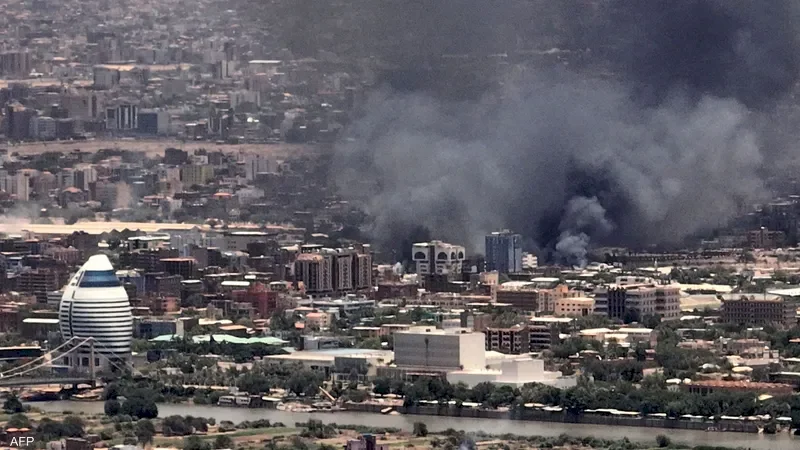
Senga drone strike aftermath
Al-Jazeera Net and SadaNews reported that a drone strike on the city of Senga in Sennar state killed 27 people and wounded 13.
Both outlets attributed the attack to the Rapid Support Forces (RSF) and said local defenses engaged the incoming drone.
Sennar state authorities and a Sinnar government spokesperson said life in Senga largely returned to normal after the incident.
White Nile governor Qamr al-Din Fadl al-Mawla survived an attack at an official meeting in Senga, though two of his companions were killed, officials said.
The incident occurred amid rising displacement in parts of Darfur and ongoing shifts in government operations.
Coverage Differences
Tone/Emphasis
Al-Jazeera Net frames the strike within broader conflict developments and includes the army's wider claims about battlefield losses, whereas SadaNews focuses more tightly on the immediate local details such as the weapon description and the return to normalcy in Senga. Al-Jazeera reports the Sudanese Armed Forces said they had killed hundreds of RSF fighters, which places the strike inside a broader military narrative; SadaNews highlights the description of the weapon as a 'strategic drone' and the immediate civilian toll and local response.
Sudan drone attack reports
Official accounts vary in wording but converge on key points.
Al-Jazeera reports that the Sudanese army said the RSF targeted guard teams and some civilians accompanying military leaders.
SadaNews quotes a Sudanese military source saying security personnel and civilians travelling with military leaders from several states were hit.
Both outlets say local ground air defenses engaged the drone, and they report the deaths of two companions of White Nile governor Qamr al-Din Fadl al-Mawla, who survived the attack.
Coverage Differences
Nuance/Reporting detail
The army's description as reported by Al-Jazeera highlights 'guard teams and some civilians accompanying military leaders,' whereas SadaNews frames the victims as 'security personnel and civilians accompanying military leaders from several states.' That is a modest difference in wording about who was targeted (guard teams vs security personnel) and the geographic scope (several states). Both outlets, however, attribute these claims to Sudanese military sources rather than presenting them as independent fact.
Media framing of RSF strike
Al-Jazeera explicitly reported the RSF's messaging: an RSF adviser, Al-Basha Tabiq, posted that the strike was a direct message to Sovereignty Council head Abdel Fattah al-Burhan and army leaders and warned of harsher actions to come.
SadaNews did not quote RSF spokespeople directly in its snippet but emphasized the tactical detail - calling the munition a 'strategic drone' - and focused on the immediate local aftermath.
The contrast shows that Al-Jazeera included the RSF's stated intent and threat, while SadaNews prioritized descriptive local reporting and reactions.
Coverage Differences
Narrative focus / Quoted claims
Al-Jazeera quotes an RSF adviser making an explicit political message and threat, while SadaNews concentrates on describing the weapon and the local situation without quoting RSF statements in the provided excerpt. This reflects a difference between reporting RSF rhetoric (Al-Jazeera) and emphasising local operational detail (SadaNews).
Senga strike coverage
The reports place the Senga strike in a wider context of displacement and a shifting government posture.
Both outlets note rising displacement in North Darfur.
Al-Jazeera reports the Sudanese government announced its return to Khartoum after operating from Port Sudan for about three years.
Al-Jazeera also states that the Sudanese Armed Forces claimed to have killed hundreds of RSF fighters in various areas.
SadaNews emphasises the human toll and local insecurity in the region.
Together, the two pieces show convergence on the facts of the attack but differences in contextual framing and the inclusion of broader military claims.
Coverage Differences
Context and scope
Al-Jazeera situates the Senga strike amid national-level shifts (government return to Khartoum) and wider military claims (SAF saying it killed hundreds of RSF fighters), while SadaNews underscores local humanitarian effects such as displacement in northern Darfur. Thus Al-Jazeera broadens the lens to national strategic developments, whereas SadaNews focuses on local security and casualties.