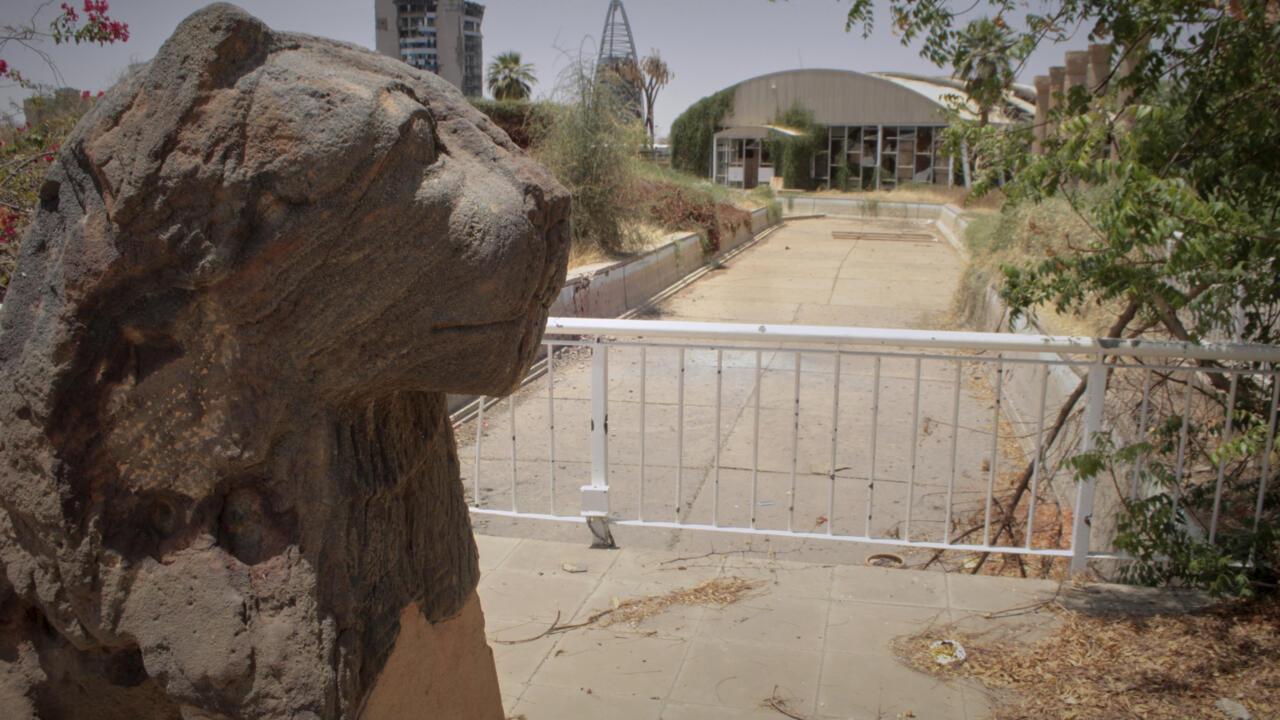
Rapid Support Forces Loot Sudan’s Khartoum Museum Treasures To Fund Military Operations
Key Takeaways
- Khartoum's National Museum was looted and damaged amid the two-year RSF-army war.
- RSF looted artifacts to fund military operations and weapons purchases.
- Looting began in April 2023 and remains ongoing.
Looting to Fund War
Sudan’s museums have been targeted during the conflict between the regular army and the Rapid Support Forces (RSF), with multiple outlets describing how looted cultural treasures were used to finance military operations.
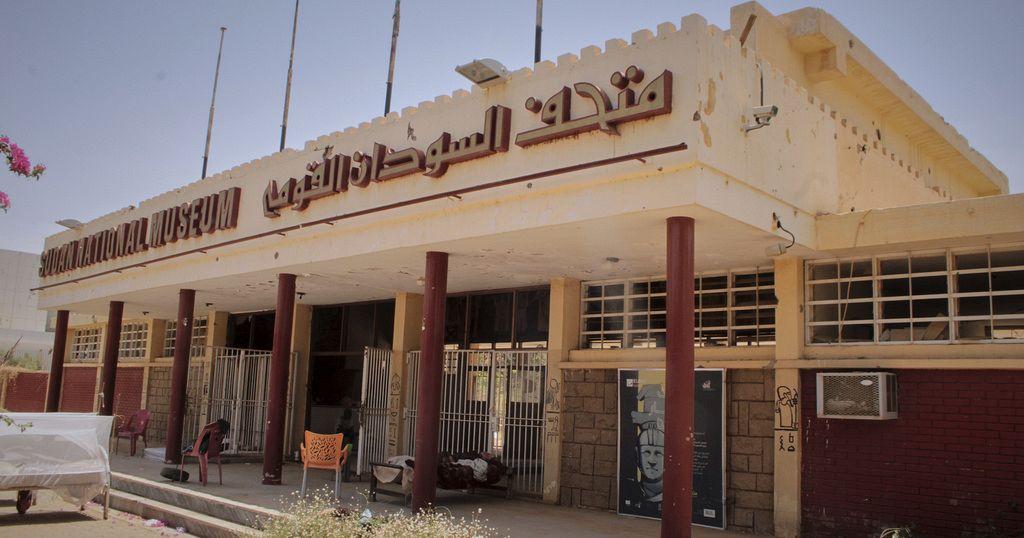
“The National Museum of Sudan, located in Khartoum, has been largely looted and damaged over the past two years of conflict between the regular army and the Rapid Support Forces (RSF)”
Al-Jazeera Net, citing The Wall Street Journal, says historians and museum curators in Sudan told the newspaper that the RSF “are targeting the country’s rich cultural history by looting museums and plundering their priceless treasures to fund their military operations.”
The Wall Street Journal, as relayed by Al-Jazeera Net and AL24 News, described how RSF fighters systematically looted valuable artifacts documenting Sudan’s history “from the Stone Age to the emergence of Islam,” and then sold them “to the highest bidder on the illicit international art market.”
The General Authority for Antiquities and Museums in Sudan estimated the value of the looted treasures since the war began three years ago at “150 million dollars,” according to Al-Jazeera Net, while AL24 News gives the same estimate as “$150 million” and ties it to “the outbreak of the conflict three years ago.”
Both outlets also describe the early targeting of museums in Khartoum, with the Wall Street Journal reporting that “snipers were positioned on the roof of the National Museum in the capital” before RSF fighters “systematically looted a large portion of the gold on display there.”
Al-Jazeera Net and AL24 News further say Sudanese officials and satellite images indicated the stolen pieces were transported by trucks to the southern and western borders or to “the border,” where they are being smuggled abroad.
What Was Taken
Across the reporting, the looting is described not only as theft but as the removal of objects spanning multiple eras, including gold and artifacts tied to Nubian archaeology and other periods.
Al-Jazeera Net and AL24 News both highlight the “Gold Room,” describing it as containing “priceless treasures... pieces of pure 24-karat gold, some dating back about 8,000 years” in Al-Jazeera Net and “treasures beyond price” with “pieces of pure 24-carat gold, some dating back about 8,000 years” in AL24 News.

Africanews adds that the National Museum in Khartoum housed major artifacts dating from “the Paleolithic, Meroitic, Christian, and Islamic periods,” and describes the physical aftermath inside the building as “broken display cases, displaced mummies, missing gold relics.”
In Africanews’ account, the treasury room where the most valuable objects were kept “has been emptied entirely,” and it quotes a resident who said, “You are erasing 7,000 years of history,” attributing the remark to the Associated Press.
RFI, focusing on the National Museum’s post-looting digital revival, says the museum was “Looted in April 2023,” and that it reappears “in a virtual form” as researchers from the French section of Sudanese antiquities made “a portion of the missing collections” accessible online.
RFI also states that the museum held “the 100,000 antique and medieval artifacts housed by the National Museum of Khartoum,” and that the virtual museum became “visitable since January 1, 2026,” offering access to “a tour of 500 objects.”
Digital Revival and Restoration
While the looting narrative centers on what was taken and how it was sold, RFI describes a parallel effort to preserve what remains and to keep collections accessible through a virtual reconstruction.
“Historians and museum curators in Sudan have said that the Rapid Support Forces are targeting the country’s rich cultural history by looting museums and plundering their priceless treasures to sell them to finance their military operations, according to The Wall Street Journal”
RFI says the National Museum of Khartoum “reappears in a virtual form” after being looted in April 2023, and it attributes the work to “researchers from the French section of Sudanese antiquities.”
The outlet reports that “Thanks to the work of researchers from the French section of Sudanese antiquities, a portion of the missing collections is now accessible online,” and it says the virtual museum is “visitable since January 1, 2026.”
RFI adds that the virtual museum allows visitors and researchers “now [to] have access to a tour of 500 objects,” and it quotes Faïza Drici, saying, “This is a great hope for our Sudanese colleagues, since it allows ongoing research and the promotion of Sudanese heritage.”
In Africanews, local authorities “now back in the capital” are “beginning to assess the losses,” and it says authorities “plan a restoration of the site with UNESCO's support,” noting that UNESCO “had already launched a rehabilitation project in 2019.”
Africanews’ description of the damage includes “broken display cases” and “displaced mummies,” and it emphasizes that the “material and symbolic damage is substantial.”
Condemnation and Destruction
The sources also describe official condemnation of the RSF’s targeting of heritage and list museums and historical sites said to have been destroyed.
Al-Jazeera Net reports that the Sudanese government accused the RSF of committing “the greatest crime against Sudan in its history and heritage through looting and trafficking national artifacts,” and it says a prior document from the Ministry of Culture, Information, and Tourism stated that “more than 20 museums and other heritage and historical sites were destroyed either completely or partially.”
That list in Al-Jazeera Net includes the “Presidential Palace, the National Museum, Nyala Museum, Geneina Museum, the Sultan Ali Dinar Museum, the Ethnography Museum, Beit al-Khalifa Museum in Omdurman, the Presidential Palace Museum, the Women’s Museum at Ahfad University, the Military Museum, the Music Archive, and the Natural History Museum.”
AL24 News similarly says the government condemned the RSF’s targeting of museums and looting of their treasures, quoting it as “the greatest crime to target Sudan in its history and heritage,” and it provides a shorter list of facilities including “Republican Palace, the National Museum, Nyala Museum, Genina Museum, and the Sultan Ali Dinar Museum.”
Al-Jazeera Net also describes how museum sector staff stepped onto the museum grounds in March 2025 for the first time in two years after the Sudanese army regained control of central Khartoum, and it says they were “stunned by the scale of the damage to priceless exhibits.”
In that same account, Al-Jazeera Net says United Nations investigators reported that stolen pieces are later sold to art dealers and that proceeds are used to finance the purchase of “drones, armored vehicles, and artillery shells.”
Divergent Focus in Reporting
The outlets’ accounts converge on the central claim that Sudanese cultural heritage has been looted during the conflict, but they diverge in emphasis—some concentrate on the mechanics of looting and financing, while others focus on the aftermath and preservation.
“The National Museum of Sudan, located in Khartoum, has been largely looted and damaged over the past two years of conflict between the regular army and the Rapid Support Forces (RSF)”
Al-Jazeera Net and AL24 News both foreground The Wall Street Journal’s description of RSF targeting museums in Khartoum, including the claim that “snipers were positioned on the roof of the National Museum in the capital” and that looted artifacts were moved by trucks to borders for smuggling abroad.
Al-Jazeera Net then extends the narrative to the alleged downstream use of proceeds, stating that “According to United Nations investigators, the stolen pieces from Sudanese museums are later sold to art dealers, while the proceeds are used to finance the purchase of drones, armored vehicles, and artillery shells.”
By contrast, RFI centers on the National Museum’s “virtual twin” and the creation of online access, saying the museum “reappears in a virtual form” and that “a portion of the missing collections is now accessible online.”
RFI’s framing also includes a specific timeline, stating that the virtual museum is “visitable since January 1, 2026,” and it quantifies the online access as “a tour of 500 objects.”
Africanews, meanwhile, focuses on the physical condition of the museum and the assessment of losses, describing “broken display cases, displaced mummies, missing gold relics,” and quoting a resident’s warning that “You are erasing 7,000 years of history.”
More on Sudan

IOM Warns 4 Million Sudan Returnees Face Collapsing Services in Khartoum and Al Jazirah
17 sources compared

Abdel Fattah al-Burhan Welcomes Noor al-Quba’s Defection From RSF to Sudanese Army
17 sources compared

Ahmed al-Sharaa Meets SDF Leaders Mazloum Abdi and Ilham Ahmed To Complete Integration
15 sources compared
IGAD Envoy Lawrence Korbandy Says Quintet Will Convene Sudan Meetings Next Month
11 sources compared