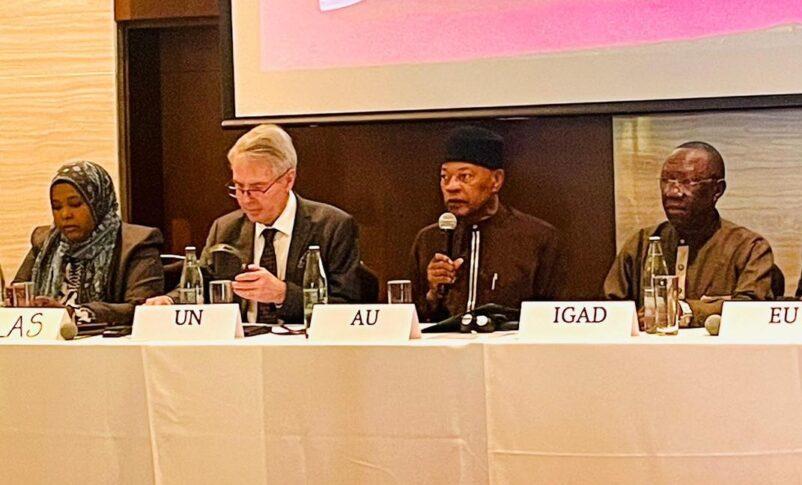
IGAD Envoy Lawrence Korbandy Says Quintet Will Convene Sudan Meetings Next Month
Key Takeaways
- Quintet comprises AU, IGAD, Arab League, EU, and UN.
- Berlin conference marked third anniversary of Sudan conflict; calls for de-escalation.
- Quintet aims to advance peace talks and broaden civilian participation post-Berlin.
Berlin conference and the quintet
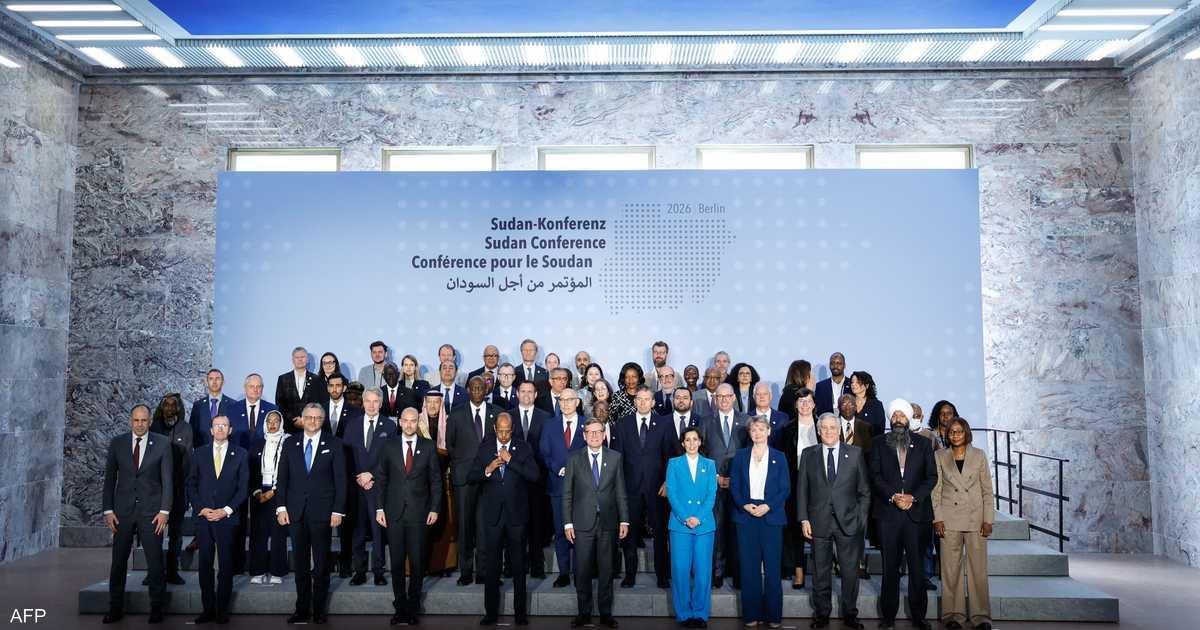
A Berlin-hosted International Sudan Conference brought together international leaders and Sudanese civilian actors as the “third anniversary of the conflict in Sudan” approached, with the AU-led “Quintet” positioning itself as the mechanism to carry the process forward.
In an interview with Radio Dabanga from Berlin, IGAD special envoy Lawrence Korbandy said the “quintet” group—“comprising the African Union, IGAD, the United Nations, the European Union, and the League of Arab States”—would “organise more advanced meetings next month” for Sudanese who did not take part in the Berlin gathering.
Korbandy confirmed that the meetings would “include all Sudanese who were absent from the Berlin gathering,” and he said the quintet would “support the formation of a Sudanese committee to determine the programme, agenda, and participants for the dialogue.”
He stressed that “neither the quintet nor IGAD would impose an agenda,” describing the aim as “a fully Sudanese-owned process in which participants and topics are decided by Sudanese themselves.”
The African Union’s own statement on the civilian call framed the Berlin gathering as “a significant and hard-won step toward rebuilding trust and restoring a shared national space for dialogue,” and it said the Quintet “remains committed to accompanying Sudanese stakeholders to build on this momentum.”
The same AU-linked statement described the joint civilian call as underscoring “the urgent need to reduce violence, protect civilians and critical infrastructure, and ensure unhindered humanitarian access,” while setting out “a credible, inclusive, and Sudanese owned political process capable of addressing the root causes of the conflict.”
What led to Berlin
The Berlin conference was presented by IGAD’s special envoy as part of a sequence of meetings intended to mobilise humanitarian assistance and push de-escalation, following earlier summits in Paris and London.
Korbandy described Berlin as “the third in a series of meetings — following Paris and London — aimed at mobilising humanitarian assistance for the Sudanese people affected by the war,” and he added that another key objective was “de-escalation, ending the conflict, and protecting civilians and infrastructure.”

He also said Germany hosted the conference because of “its international relationships,” its role within the European Union, and “its significant development investments in Sudan, including in energy, railways, technology, and healthcare.”
In the Radio Dabanga account, Korbandy said the Berlin conference was designed to exert pressure on warring parties to stop the war and create conditions for a civilian dialogue, rather than to hold direct talks with them.
That framing was echoed in the same interview when Korbandy said the warring parties “had not attended because the conference was intended to exert pressure on them to stop the war and to create conditions for a civilian dialogue.”
The African Union statement similarly anchored the Berlin civilian call in a moment when “international partners convened at ministerial level to refocus global attention on Sudan,” while Sudanese civilians “demonstrated the will to overcome differences and speak with a unified voice.”
Reactions from Sudanese and officials
Reactions to the Berlin conference and its civilian call were sharply divided between those who saw it as an advance and those who criticised who was invited and who was excluded.
“The Intergovernmental Authority on Development (IGAD) envoy to Sudan, has said that the ‘quintet’ group — comprising the African Union, IGAD, the United Nations, the European Union, and the League of Arab States — will organise more advanced meetings next month bringing together all Sudanese who did not take part in Third International Conference on Sudan, held in Berlin on Wednesday, May 15)”
Korbandy told Radio Dabanga that the joint appeal agreed at Berlin represented “a positive and advanced step towards a peaceful solution in Sudan,” moving beyond previous “red lines” that had prevented different Sudanese factions from meeting.
He said that “for the first time, Sudanese political forces, civil society, women, and youth opposed to the war — both from Sudan and abroad — had gathered under one roof in Berlin.”
At the same time, the Radio Dabanga report said “A total of 25 political and civic groups aligned with the armed forces” rejected the “selective invitations” to the Berlin conference, with the “most notably the Justice and Equality Movement” named among those rejecting the approach.
Prime Minister Kamil Idris criticised the failure to invite the government, describing the omission as “a mistake” and saying the government “would have participated had it been invited.”
Germany’s State Minister Serap Güler said in a press conference that one success was “the convening of 40 representatives of various civilian groups together who were able to reach an agreement,” and she added that “the Quintet process is dynamic and will continue to engage with different stakeholders in the days ahead.”
How coverage diverged
Different outlets described the Berlin conference’s emphasis and the scale of commitments in ways that reflected their own framing of what mattered most.
Radio Dabanga foregrounded the political process, with Korbandy saying the quintet supports “a comprehensive Sudanese-led dialogue, with Sudanese ownership, whereby Sudanese themselves would define both the agenda and attendance,” and he insisted that “the aim is a fully Sudanese-owned process.”
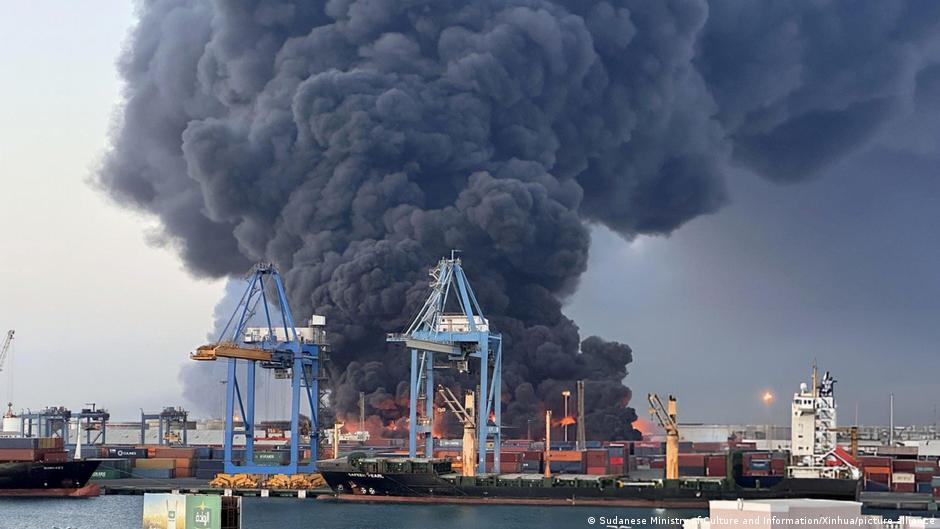
By contrast, the networked reporting from شبكة عاين placed the financial and humanitarian figures at the center, stating that the summit resulted in a “€1.5 billion ($1.7) financial pledge” and that “The European Union and its Member States directly pledged more than €811 million of this total.”
That same report added that the pledge “covers less than half of humanitarian needs, the UN estimates,” and it cited a UN requirement that “about $2.9 billion” is needed for the “UN’s 2026 Sudan Humanitarian Needs and Response Plan.”
The African Union statement, meanwhile, focused on the civilian call’s content, saying participants underscored “the urgent need to reduce violence, protect civilians and critical infrastructure, and ensure unhindered humanitarian access,” and it described the aspiration for “a credible, inclusive, and Sudanese owned political process.”
Even within the same Berlin-focused ecosystem, the Radio Dabanga interview described the quintet’s role as facilitating dialogue among “Sudanese civilian actors,” while it said the “quartet” group—“comprising Saudi Arabia, the United Arab Emirates, Egypt, and the United States”—is tasked with issues related to ending the war, ceasefires, and humanitarian truces.
Stakes, humanitarian access, and next steps
The stakes described around Berlin centered on humanitarian access, protection of civilians and humanitarian workers, and the separation of aid from political bargaining, with the conference’s demands directed at “warring parties.”
شبكة عاين reported that leaders issued a “unified call for unhindered humanitarian access,” demanding that warring parties guarantee “safe, rapid, and unimpeded entry across all of Sudan, including through cross-border operations,” and it said leaders emphasised sustained aid access “independent of any ceasefire agreement or humanitarian truce.”
The same report said organisers also called for protecting humanitarian actors and noted that “Local first-line responders, particularly Sudanese mutual aid groups and Emergency Response Rooms, face immense risks to their lives,” linking this to “mass closures of community kitchens.”
It added that “The closure of nearly half of Sudan’s crucial community kitchens in the last six months” worsened hunger and “the danger of famine,” citing a study from Islamic Relief, and it stated that “An estimated 130 humanitarian workers have been killed in the line of duty since the war began in April 2023.”
It further reported that leaders “strongly condemned the abhorrent violence in regions like the Kordofans and Darfur,” denouncing “ethnic attacks, indiscriminate shelling, and sexual violence,” and it said the coalition stated these violations could constitute “war crimes or crimes against humanity,” demanding “an impartial investigation.”
The next steps described by the AU-linked statement and Radio Dabanga both pointed to continued engagement: the AU statement said the Quintet “remains committed to accompanying Sudanese stakeholders to build on this momentum,” while Korbandy said the quintet would organise “more advanced meetings next month.”
More on Sudan
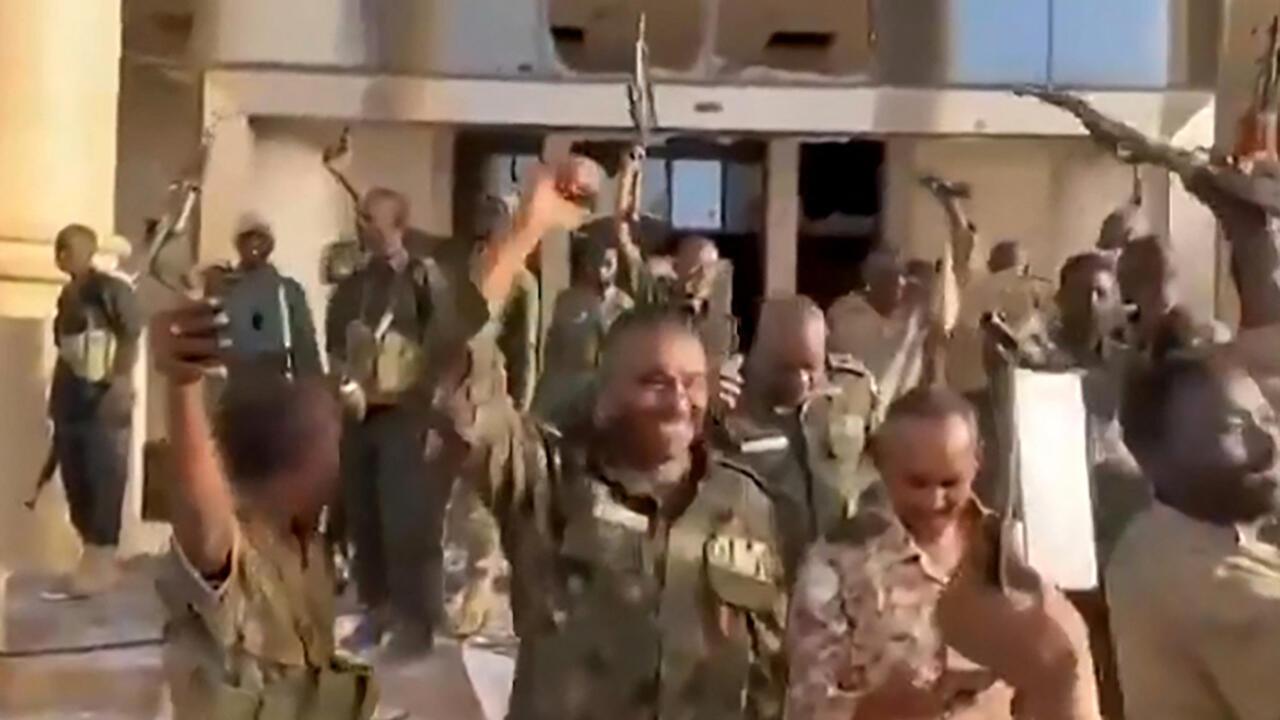
Sudan’s Army Seizes Central Bank And General Intelligence Service In Khartoum
10 sources compared

International Court Rejects Sudan's Genocide Case Against United Arab Emirates
11 sources compared
United Nations Condemns Sudan War As Neglected Crisis Amid Rising Atrocities
11 sources compared
Germany Hosts Berlin Sudan Aid Conference, Pledges €1.3 Billion for War-Affected People
70 sources compared