Sudan06 November, 20252 min read
Rapid Support Forces Massacre Civilians and Bury Bodies in Sudan’s El-Fasher After Seizing City
This article is an automated aggregation of coverage from news outlets. Our editorials offer in-depth analysis curated by the NewsCord team.
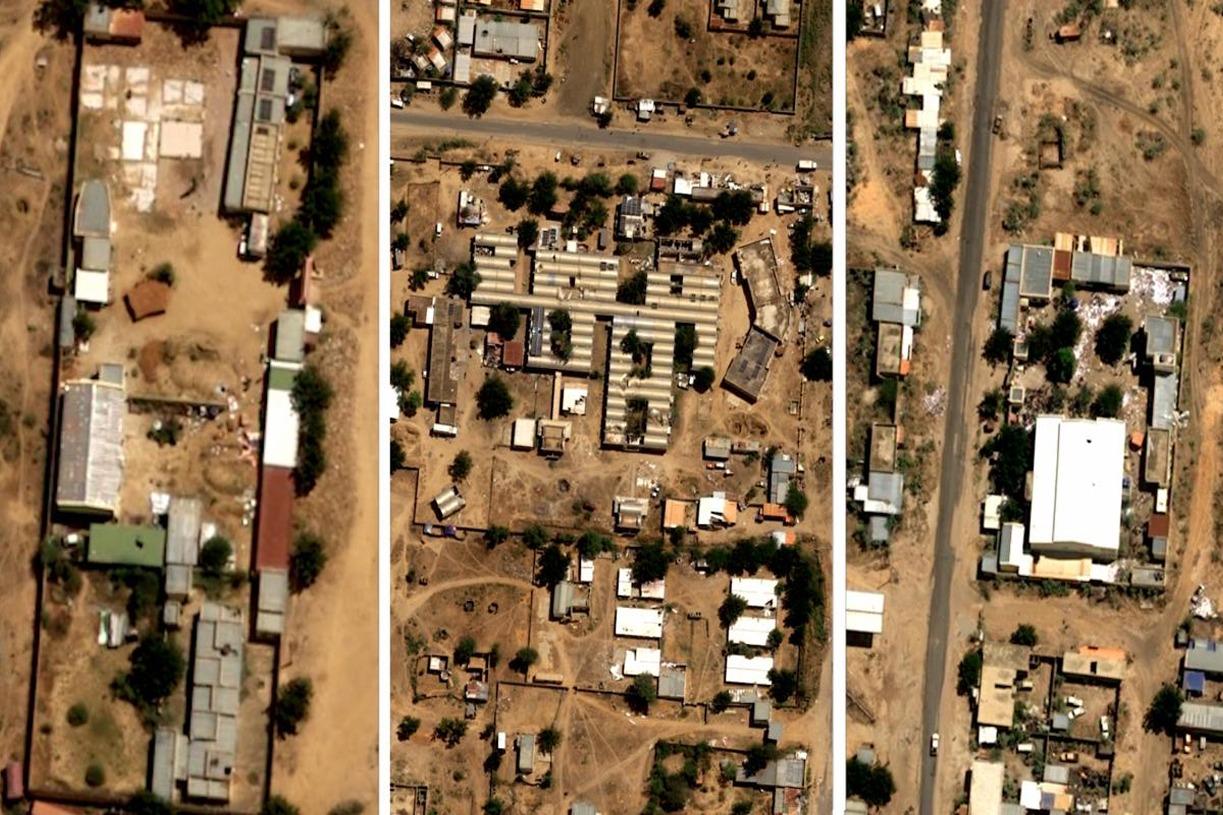
Satellite images reveal multiple mass graves in El-Fasher after RSF seized the city Yale Humanitarian Research Lab analysis confirms evidence of mass killings and corpse disposal

10 outlets told this the same way.
Outlets did split on Air Strike Destroys Two WFP Trucks Carrying Food for 5,800 People in South Kordofan →
Mass Graves and Killings in El-Fasher
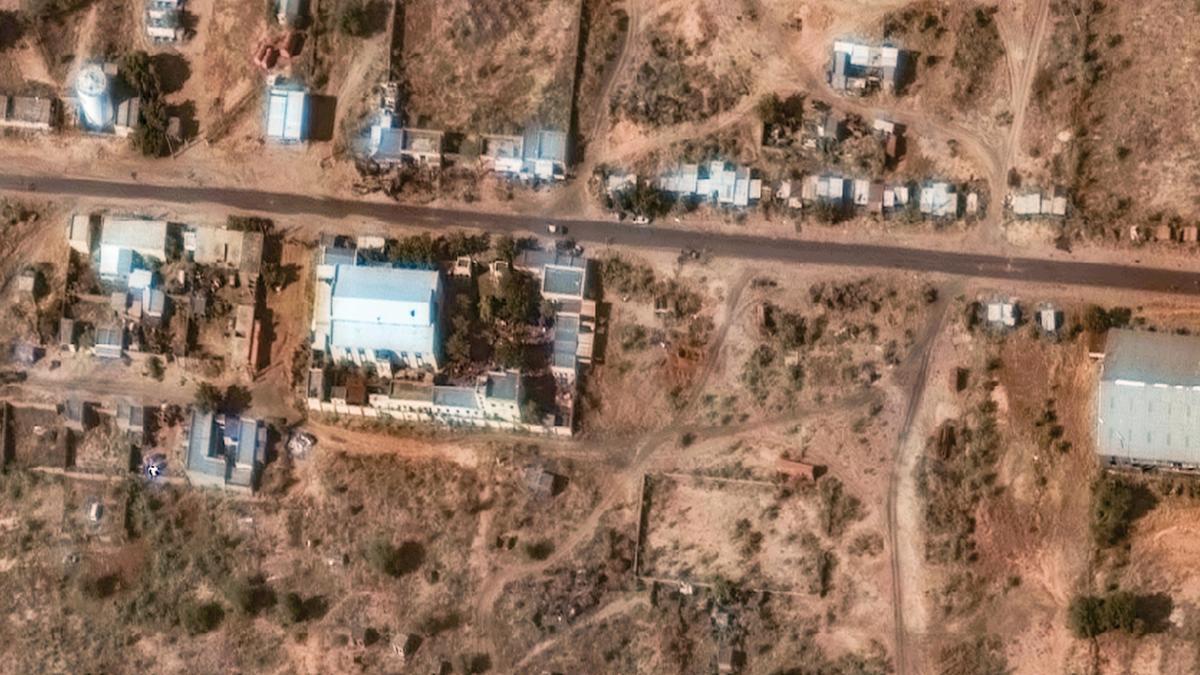
Satellite imagery from Yale’s Humanitarian Research Lab indicates mass graves in El-Fasher after the Rapid Support Forces (RSF) seized the city. Trenches near a mosque and a former children’s hospital are linked to large-scale killings, including roughly 460 people reported dead at Al-Saudi Hospital. Eyewitness testimonies and verified visuals describe executions of civilians and medical staff, blood-stained areas, bodies along an earthen berm, and hospitals turned into detention and killing sites.
“Satellite imagery analysis has uncovered mass graves being dug near a hospital and a mosque in El-Fasher, Sudan, following the city's capture by the paramilitary Rapid Support Forces (RSF).”
Local medical groups have denounced the violence in El-Fasher as a “true genocide.” Analysts and reporters stress that the exact number of bodies buried remains unconfirmed even as burials proceed. Together, these accounts depict a pattern of door-to-door killings followed by hurried mass burials as RSF consolidated control over the city.

Suspected Mass Burial Sites
Multiple sources converge on two suspected burial sites—near a mosque north of Al-Saudi Hospital and beside a former children’s hospital allegedly used by RSF as a prison. Satellite imagery shows trenches dug and refilled, soil disturbances, and objects consistent with bodies at these locations. Researchers documented bloodstains and groups of body-sized objects, noting that remains may have been “stacked,” which obscures precise counts.
Analysts caution that while the scenes strongly suggest mass graves, the exact number of bodies is not confirmed. At least 34 groupings consistent with bodies were identified, which is likely an underestimate.
Massacre and Atrocities at Hospital
Reports converge that the Saudi Hospital became the site of a massacre with roughly 460 patients and medical staff killed.
“The RSF stormed the Saudi Hospital on October 28, amid reports of horrific massacres in the city.”
There are allegations that the RSF turned hospitals into detention and execution sites and conducted door-to-door killings.
Survivor accounts describe executions of civilians and clinicians, including Dr. Adam Ibrahim Ismail.
Other testimonies and local networks accuse the RSF of ethnically targeted killings, summary executions, and widespread sexual violence.
A local medical network called the violence a “true genocide.”
Some accounts claim thousands were killed over a short period.
UN leaders have called for investigations into the atrocities.
Darfur Conflict and Humanitarian Crisis
The massacres and burials in El-Fasher occur within a catastrophic humanitarian context across Darfur and neighboring regions. Sources report at least 14 million people displaced, famine in multiple areas, and severe malnutrition and disease outbreaks. Relief efforts are hindered by ongoing fighting, restricting access to those in need.
The Rapid Support Forces’ capture of El-Fasher, reportedly the army’s last stronghold in Darfur, has escalated violence. Related attacks include a drone strike on a funeral in El-Obeid that killed at least 40 people. Overall conflict toll estimates since April 2023 exceed 40,000 deaths, with millions more uprooted.
Calls for Investigation and Evidence Concerns
Calls for accountability are growing alongside worries that crucial evidence will disappear as authorities consolidate control and bodies are buried. UN leadership has urged investigations into the situation. Analysts warn that burial practices and the stacking of bodies complicate documentation and body counts.
“The UN Secretary-General has called for investigations into these atrocities, but experts warn that evidence may be lost as bodies are buried and RSF consolidates control.”
Some outlets emphasize caution in attributing responsibility for related attacks, noting the U.N. has not assigned blame and the RSF has not claimed responsibility. Others report witness accounts of RSF-perpetrated killings and hospital assaults, supported by AP-verified imagery.