Sudan07 February, 20262 min read
Rapid Support Forces Massacre Displaced Families in Drone Strike, Kill 24 Including 8 Children
Rapid Support Forces drone struck a vehicle carrying displaced families near Rahad, North Kordofan Drone attack killed at least 24 civilians, including eight children
23 outlets told this the same way.
Outlets did split on Air Strike Destroys Two WFP Trucks Carrying Food for 5,800 People in South Kordofan →
Drone strike kills displaced families
A drone strike on Saturday by the paramilitary Rapid Support Forces (RSF) hit a vehicle carrying displaced families near Rahad (Er-Rahad) in North Kordofan, central Sudan, killing at least 24 people, including eight children, two of them infants, and wounding several others, according to medical sources and doctors’ groups. The Sudan Doctors Network reported the victims had been fleeing fighting in the Dubeiker area and said many of the wounded were taken to Er Rahad, which is facing severe shortages of medical supplies.
“A drone strike by Sudan’s paramilitary Rapid Support Forces (RSF) hit a vehicle carrying displaced families near Rahad in North Kordofan on Saturday, killing at least 24 people — including eight children and two infants — and injuring several others, doctors said.”
Multiple outlets noted the RSF gave no immediate comment. The incident occurred amid nearly three years of conflict between the RSF and Sudan’s military that began in April 2023 and has already produced tens of thousands of deaths, according to U.N. and other international estimates.
Attacks on aid operations
The strike followed and formed part of a string of recent attacks on humanitarian operations and convoys in North Kordofan. Outlets reported a World Food Programme (WFP) convoy was hit the day before, killing one person, burning trucks and destroying food aid. A separate drone strike near a WFP facility in Blue Nile had injured a staff member.
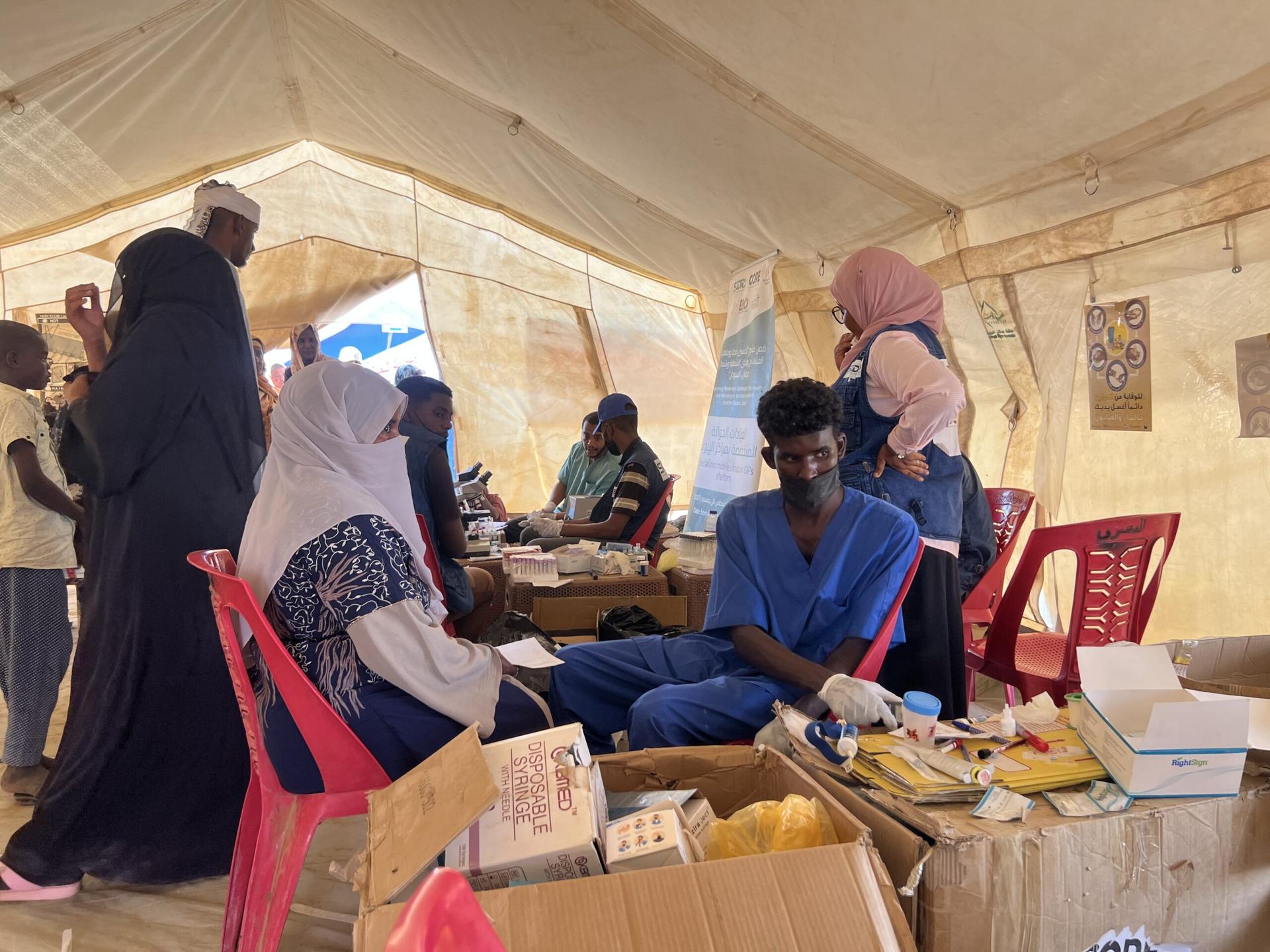
Local authorities and aid agencies warned that these strikes undermine life-saving operations. Several sources said hospitals in Rahad and the wider Kordofan region face severe shortages of medicine and equipment as wounded civilians arrive.

Condemnation and accountability calls
Human-rights groups, medical networks and legal monitors uniformly condemned the strike and called for accountability. The Sudan Doctors Network called the attack a 'grave violation'. Emergency Lawyers and other groups described the incidents as violations of international humanitarian law or potential war crimes.
“The Sudan Doctors Network called the attack a grave violation and urged international and human rights bodies to protect civilians and hold RSF leaders accountable; there was no immediate RSF response.”
International officials, including U.S. adviser Massad Boulos and, in some reports, UK ministers, publicly demanded accountability. Several outlets quoted UN officials and humanitarian coordinators urging protection for civilians and rapid investigation.
Humanitarian impact and casualties
Reporting across sources highlights a broader humanitarian crisis and divergent casualty and displacement figures. The U.N. estimates more than 40,000 killed in the conflict since April 2023 and millions displaced, a figure repeated by several mainstream outlets.
Some alternative and regional reports suggest even higher or broader impacts, citing millions facing acute food insecurity and localized famines confirmed in parts of Darfur and Kordofan. Hospitals and aid agencies warn that strikes exacerbate shortages and could worsen malnutrition and famine risks.

Media coverage differences
Across the media landscape, differences in emphasis reflect source perspective. West Asian outlets (Al Jazeera, Daily Sabah, TRT World) foreground international-law language and the regional humanitarian impact. Western mainstream outlets (ABC News, The Guardian, Newser) report the figures and UN context and stress calls for accountability.
“Hospitals in Rahad and the wider Kordofan region are reporting severe shortages of medicine and equipment.”
Asian regional outlets (United News of Bangladesh, Mathrubhumi, Daily Times) repeatedly highlight shortages, local hospital strain, and on-the-ground condemnations. Western alternative or local outlets (5Pillars, St George & Sutherland Shire Leader) add political attributions such as UAE backing of the RSF or cite higher casualty or food-insecurity estimates.

Almost all sources report the RSF had no immediate comment. All sources describe the victims as displaced civilians fleeing fighting, a consistent factual core amid differing emphases.