Sudan07 December, 20252 min read
Rapid Support Forces Massacre Dozens of Children in Drone Strikes on Kaloqi Kindergarten and Hospital
Drone strikes hit a Kalogi kindergarten twice, then targeted rescuers and medics. Reports say at least 50 dead, including 33 children; some sources report 114 fatalities.
13 outlets told this the same way.
Outlets did split on Air Strike Destroys Two WFP Trucks Carrying Food for 5,800 People in South Kordofan →
Kalogi kindergarten strike
Multiple independent and local reporting sources say a drone strike struck a kindergarten in Kalogi (Kalogi/Kaloqi), South Kordofan, killing scores of civilians and children. Those accounts say the attack then hit rescuers and medics who rushed to help. Several outlets cite the Sudan Doctors' Network and army sources saying the initial toll was about 50 dead, including 33 children, and that the school was hit twice by drone-fired missiles.
“At least 50 people — including 33 children — were killed when a drone struck a kindergarten in Kalogi town, South Kordofan, Sudan, the Sudan Doctors’ Network said.”
Rights groups and medics also reported a second strike on paramedics who were treating survivors. These accounts describe a scene in which civilians and helpers were targeted following the bombing of an educational facility.

Disputed casualty figures
Casualty and fatality figures vary widely between sources and official statements. Medical groups and army-aligned sources commonly report roughly 50 dead, including 33 children.
Sudan’s Foreign Ministry and some SAF-aligned reporting put the toll much higher, with figures ranging from as high as 79, including 43 children, to claims of 114 dead, many of them children. These discrepancies reflect communication blackouts and chaos on the ground, and multiple outlets note that strikes and counts could not be independently verified at the time of reporting.

Condemnation of attacks on children
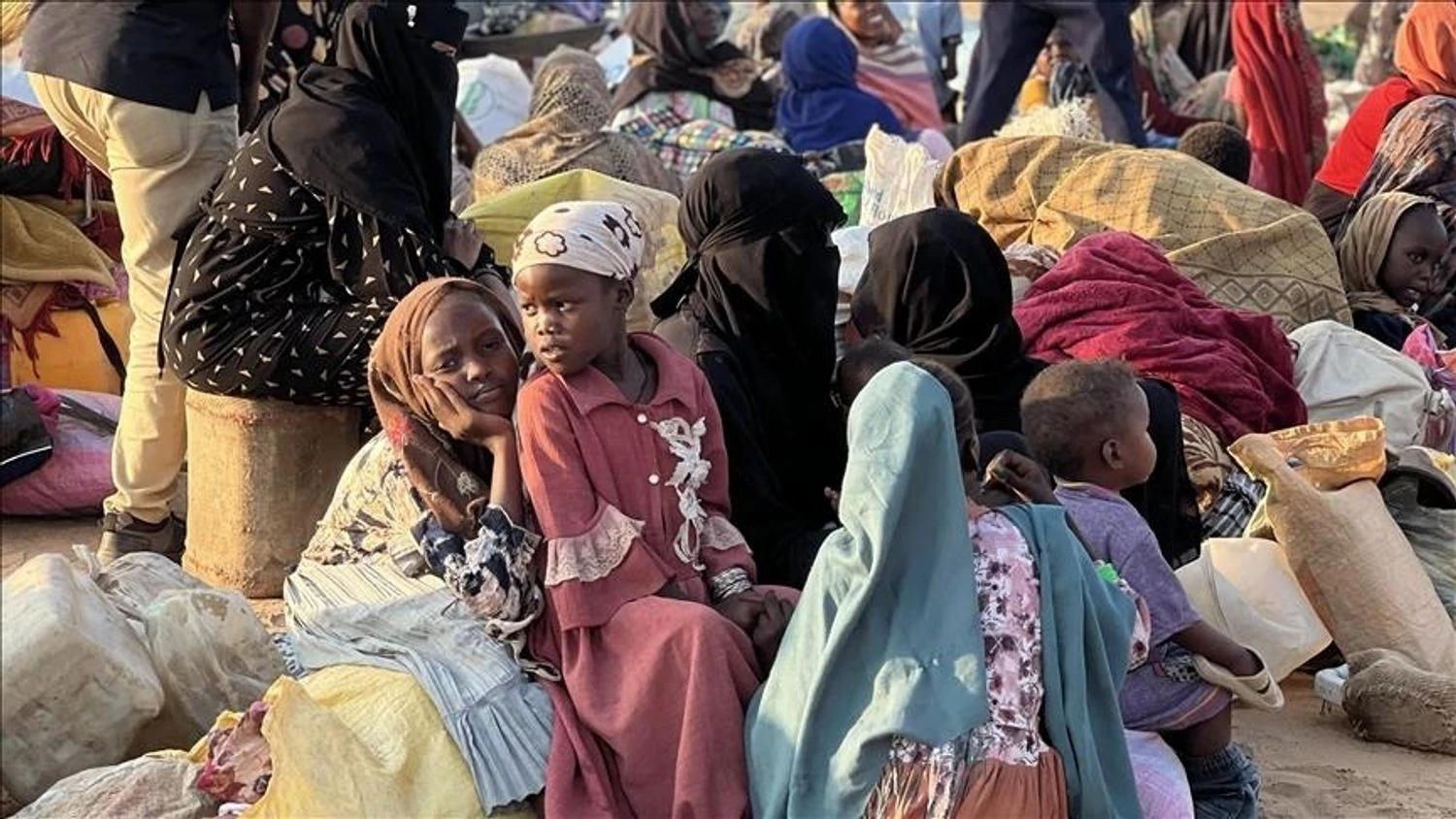
International agencies and rights groups strongly condemned the attacks on children and schools. UNICEF described the strikes as a 'horrific violation of children's rights' and demanded unhindered humanitarian access, while local UNICEF representatives and other aid officials urged a halt to attacks on civilians and schools. Several outlets also placed the Kalogi strikes within a broader pattern of strikes on civilian infrastructure and attacks on children amid the escalating conflict in Kordofan.
“UNICEF denounced the attack as a horrific violation of children’s rights, saying more than 10 children aged five to seven were killed, and urged an immediate halt to such strikes and unfettered humanitarian access.”
Attribution and Verification Dispute
Attribution and accountability are contested, with SAF-aligned sources and Sudan’s Foreign Ministry blaming the paramilitary Rapid Support Forces (RSF) for using drone-fired missiles and describing the strikes as part of a broader campaign. Some statements went as far as to label the actions genocidal, and reports noted that the RSF had not immediately responded. International outlets and analysts urged independent verification, warning that communications blackouts and disrupted aid access hamper investigations and reliable casualty counts.
Kalogi strikes: humanitarian impact
The Kalogi strikes are being reported amid an intensifying phase of fighting across Kordofan and Darfur, with major humanitarian consequences. Outlets place the attack in a wider pattern of RSF-SAF clashes, earlier takes of El-Fasher, and repeated strikes on border crossings and aid routes. U.N., WHO and other estimates of total conflict fatalities and displacement vary across outlets, ranging from tens of thousands to well over 100,000 killed and roughly 12 million displaced, reflecting differing sources and contested figures.
“The U.N. estimates the war has killed well over 100,000 people, displaced nearly 12 million, and left more than 24 million facing acute hunger.”