Sudan19 December, 20253 min read
Rapid Support Forces Massacre Over 1,000 Civilians in Three-Day Assault on Zamzam IDP Camp, UN Finds
Rapid Support Forces killed at least 1,013 civilians during April 11–13 assault on Zamzam camp About one-third of the victims were summarily executed during the takeover
32 outlets told this the same way.
Outlets did split on Air Strike Destroys Two WFP Trucks Carrying Food for 5,800 People in South Kordofan →
Zamzam camp killings report
The United Nations Office of the High Commissioner for Human Rights (OHCHR) reports that Sudan’s paramilitary Rapid Support Forces (RSF) killed at least 1,013 civilians during a three-day assault on the Zamzam internally displaced persons (IDP) camp near el-Fasher from April 11–13. The report is based on OHCHR monitoring and July 2025 interviews with 155 survivors and witnesses who fled to Chad. It documents large-scale killings as the RSF advanced on the camp.
“The UN Human Rights Office (OHCHR) says the Rapid Support Forces (RSF) killed at least 1,013 civilians during a three-day assault on Zamzam IDP camp between April 11–13, 2023, and displaced more than 400,000 residents.”
Investigators say the attack was part of the RSF’s wider siege of el-Fasher and its campaign in North Darfur. The finding — over 1,000 dead — was widely reported across media outlets with slightly different framings but consistent attribution to the OHCHR and the RSF assault.
OHCHR findings on assault
The OHCHR report documents a pattern of summary executions and widespread sexual violence during the assault. Investigators recorded at least 319 people summarily executed inside the camp or while trying to flee. They reported at least 104 survivors of sexual violence, including women, girls and some boys, many from the Zaghawa ethnic group.
Witnesses described killings in homes, markets, schools, health facilities and mosques, and multiple outlets cited survivor testimony collected by OHCHR teams in July 2025. UN High Commissioner for Human Rights Volker Türk warned that such deliberate killing may constitute the war crime of murder, wording many reports highlighted as signaling possible legal accountability.

Zamzam camp siege and displacement
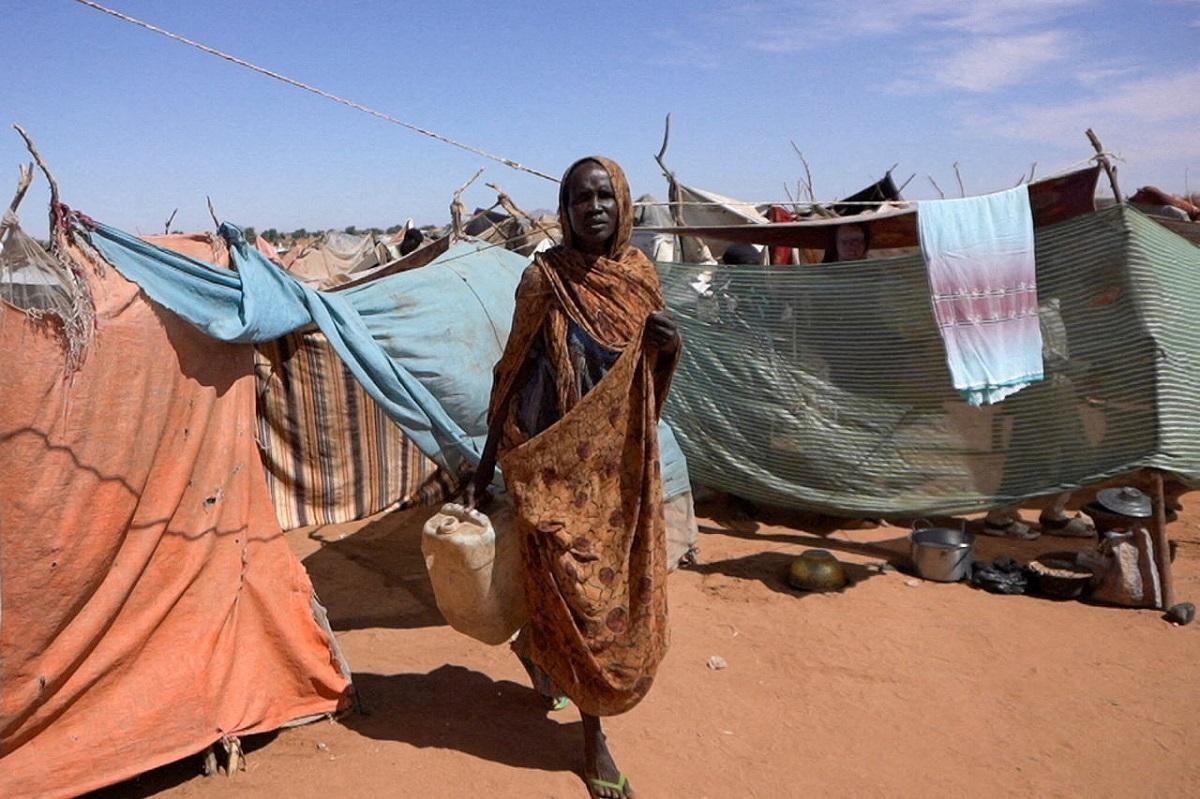
Investigators found that Zamzam camp had been under siege in the months before the April assault, with the RSF blocking food, water, fuel and humanitarian aid and leaving residents in desperate conditions. Survivors told UN teams they sometimes fed children peanut shells and other improvised foods to survive.
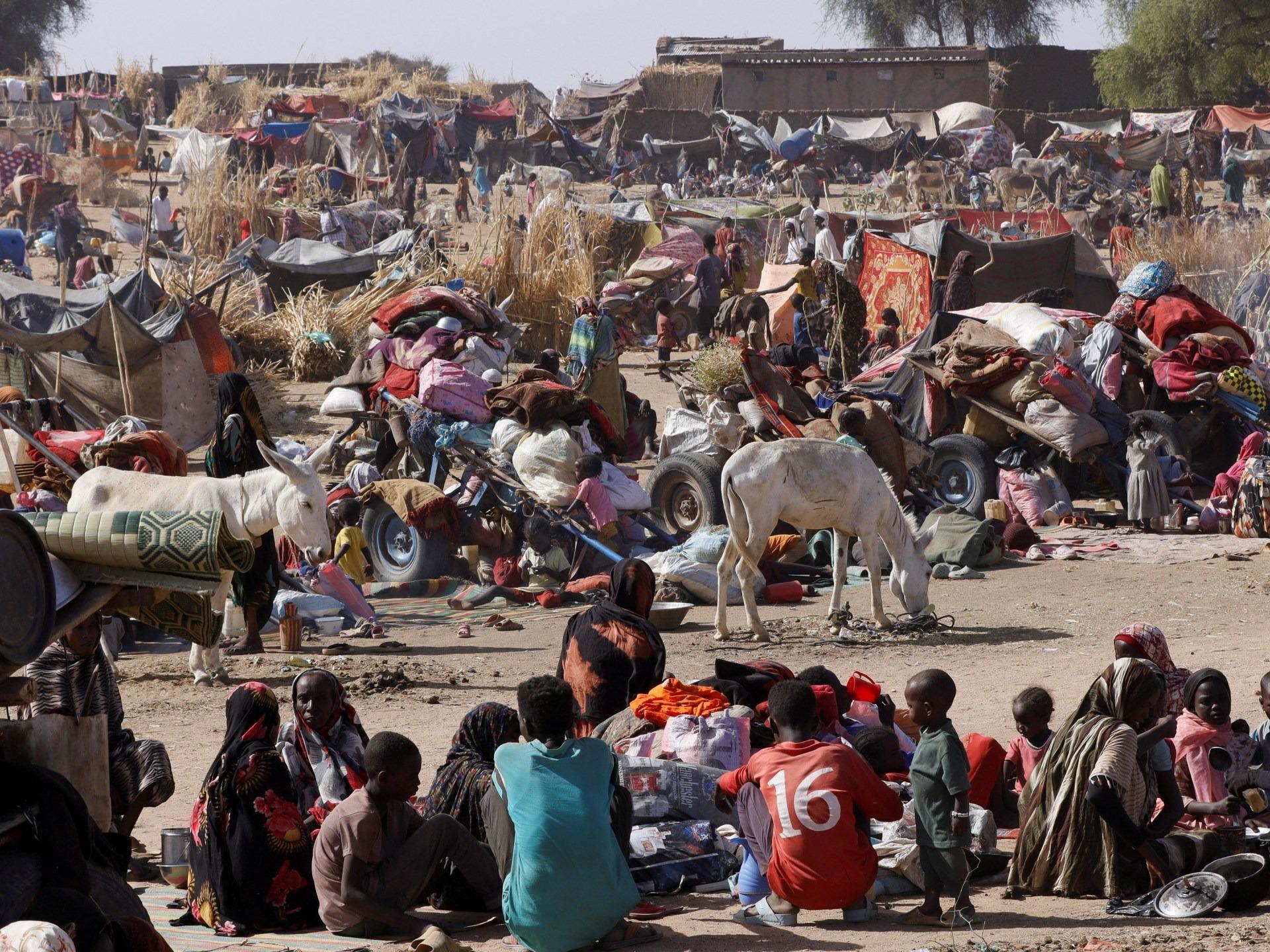
“More than 400,000 residents of what was North Darfur’s largest refugee camp were displaced and the camp was destroyed.”
The camp, variously described as sheltering roughly 400,000 to nearly 500,000 people, was repeatedly cut off. The assault forced hundreds of thousands to flee again amid wider fighting across Sudan since April 2023 that has created a huge displacement and hunger crisis.
Context of Zamzam assault
Many outlets place the Zamzam assault in a broader chronology of Sudan’s war. The OHCHR links the April takeover to a later October assault on el-Fashir that investigators say involved additional mass killings and abductions. Several reports say the attack formed part of the RSF’s wider push against el-Fashir.
Outlets also connect these ground offensives to the prolonged conflict that began after the RSF resisted integration into the army in April 2023, with UN estimates of millions displaced and intense humanitarian needs. Some reports add nearby developments such as drone strikes in Kordofan that killed civilians and international diplomatic appeals urging Sudan’s leaders to stop fighting and restore services.
Sudan: calls for investigation
The UN rights office and many outlets called for an impartial, thorough investigation and accountability, and urged the international community not to turn away from Sudan’s humanitarian emergency. Some reporting highlights limited access to the site and possible attempts to conceal evidence, citing satellite imagery and outside research. Coverage also records that the RSF did not immediately respond to requests for comment and has previously denied harming civilians, leaving investigators and the international community to press for independent accountability and protection for survivors.
“UN High Commissioner for Human Rights Volker Türk said the attacks could amount to war crimes and called for an impartial, thorough investigation, accountability, reparations and an end to arms flows that fuel the conflict.”