Full Analysis Summary
El-Fasher healthcare collapse
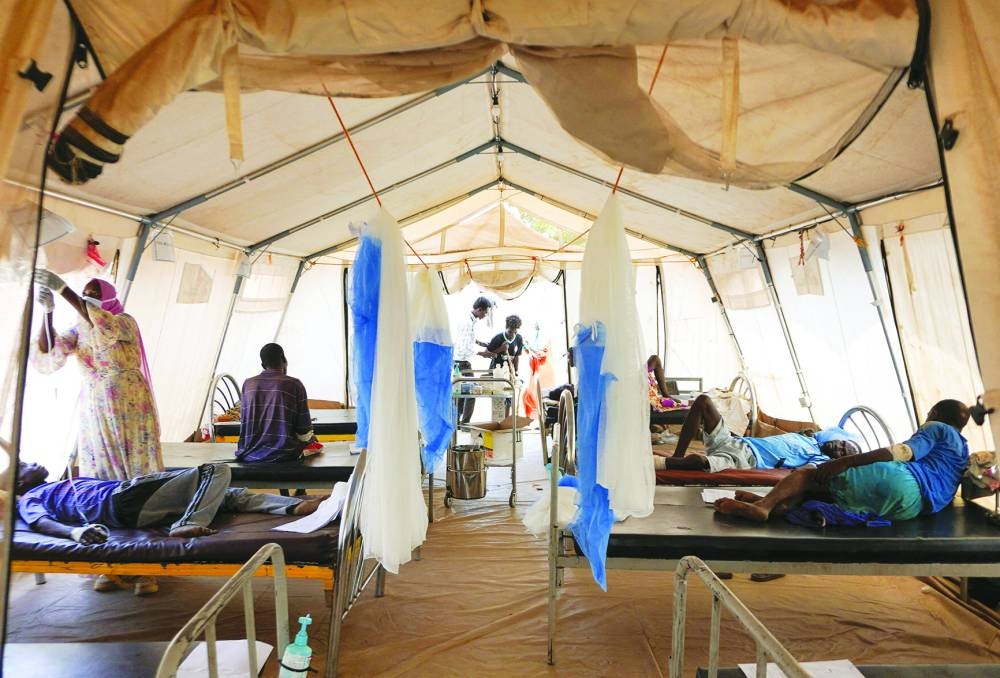
Since spring 2024, healthcare in El-Fasher, North Darfur, has undergone a systematic collapse.
Repeated attacks left hospitals shuttered and patients exposed.
Reporting and data reviewed by Reuters and Insecurity Insight show a campaign of assaults and obstructions.
The campaign accelerated after a siege by the Rapid Support Forces (RSF) in April and an RSF takeover in October.
Facilities were hit by looting, supply blockades, shootings and air and drone strikes, forcing clinics to close.
Both outlets report that this pattern transformed the city's health system into near-total dysfunction.
A senior military source quoted in the reporting denied that the army targeted medical sites.
Cited coverage includes Gulf Times and Al-Jazeera summaries of the Reuters and Insecurity Insight findings.
Coverage Differences
Tone / Emphasis
Both sources describe a systematic collapse, but Gulf Times emphasizes documented attacks, the variety of methods (looting, blockades, shootings, artillery, air and drone strikes) and notes legal experts calling for investigations, while Al-Jazeera Net (reporting Reuters) foregrounds an investigative framing—satellite imagery and interviews—and highlights an intentional campaign by the RSF including executions. Both also report denials by the Sudanese army; these are presented as quoted claims rather than the outlets’ assertions. The limited set of provided sources (Gulf Times — Other; Al-Jazeera Net — West Asian) constrains cross-type comparison to these two perspectives.
Saudi Hospital under siege
Saudi Hospital — once the city’s principal functioning facility — endured near-daily bombardment and drone harassment that turned it into a frontline and eventually a killing ground for patients and staff.
Witnesses and paramedics described drones tracking wounded and forcing clinicians to perform surgeries in trenches, houses and improvised spaces.
Ambulances were destroyed and patients were moved by wheelbarrow or donkey cart.
These accounts collectively paint a picture of medical care reduced to emergency improvisation under fire.
Reporters cited Gulf Times and Al-Jazeera Net, which described the hospital becoming the last functioning facility amid bombardment, drone harassment and the destruction of ambulances.
Al-Jazeera Net also reported that paramedics said drones chased healthcare workers and forced clinicians to hide and perform surgeries in trenches and houses.
Coverage Differences
Narrative detail / Graphic description
Both sources report Saudi Hospital suffering intense attacks, but Al-Jazeera Net (reporting Reuters) emphasizes drone pursuit of wounded and explicit witness testimony about clinicians hiding and operating in trenches, while Gulf Times adds logistical details (destruction of ambulances, use of wheelbarrows and donkey carts) and frames the pattern as near-daily bombardment. Gulf Times also ties these operational failures to the broader collapse documented by data reviews. These differences reflect complementary emphases rather than direct contradiction.
Darfur healthcare attacks
At least 130 attacks, obstructions, or damages to healthcare facilities in North Darfur have been reported since the war began.
Data attributes roughly 71% of these incidents to the Rapid Support Forces (RSF) and around 3% to the Sudanese Armed Forces (SAF).
At least 40 healthcare workers have been killed.
Witnesses quoted in the reporting say doctors were executed and medical staff were specifically targeted.
These witness accounts, together with documented bombing and drone strike patterns, have prompted legal experts to say repeated targeting of medical sites may violate the laws of war and warrant war-crimes investigations.
Cited sources include the Gulf Times and Al-Jazeera Net, which report the attack counts, attribution percentages, and alleged executions.
Coverage Differences
Severity / Legal framing
Gulf Times stresses documented attack counts, percentage attribution and explicit mention of legal experts urging war-crimes investigations, framing the events in terms of violations of the laws of war. Al-Jazeera Net (reporting Reuters) provides witness allegations of executions and drone-tracking of wounded, intensifying the depiction of deliberate targeting. Both sources present these claims alongside denials from the Sudanese army (reported as quoted denials), but Gulf Times more explicitly cites legal analysis calling for investigations.
Attribution of Sudan attacks
Both provided accounts record denials from army officials and attribute most attacks to the RSF.
The sources differ in emphasis and presentation despite agreeing on that broad attribution.
Each reports a senior army or SAF quote denying attacks and saying the army was defending civilians, language presented as the army's claim rather than a verified fact.
Al-Jazeera Net highlights Reuters' investigative methodology, including satellite imagery, interviews, witness claims of executions, and drone-tracking.
Gulf Times emphasizes data reviews and legal experts focusing on attribution percentages and war-crimes implications.
Only these two sources were supplied for this exercise, which limits broader cross-type comparison and the ability to triangulate perspectives.
Additional sources from Western mainstream or alternative outlets would be necessary to expand and corroborate the findings.
Cited quotes include Gulf Times noting a senior SAF source denied army attacks on medical facilities and said the army was defending civilians, and Al-Jazeera Net reporting a senior Sudanese army official denied attacks on medical facilities and said the army had been defending citizens in El Fasher.
Coverage Differences
Source framing / Scope
Both sources reproduce army denials and attribute most incidents to the RSF, but Al-Jazeera Net foregrounds Reuters’ investigative tools and witness testimony about executions and drone pursuits, while Gulf Times foregrounds aggregated attribution percentages from Insecurity Insight and legal commentary on war-crimes. The limitation to two supplied sources is explicit here: broader differences across 'source_type' categories (e.g., Western Mainstream vs Western Alternative) cannot be assessed because such sources were not provided.