Rapid Support Forces Overrun Al-Karamk, Triggering Mass Displacement in Sudan’s Blue Nile
Key Takeaways
- Displacement estimates range from 30,000 to over 100,000.
- Casualties range: at least 79 to 105 killed.
- Blue Nile experiences deadly tribal violence driving humanitarian crisis.
Blue Nile crisis escalates
Sudan’s Blue Nile region in southeastern Sudan is facing a rapidly worsening humanitarian emergency as the autumn season approaches, with a Sudanese medical network warning that the crisis threatens more than 100,000 displaced people in Damazin.
“In Sudan, more than 30,000 displaced people have fled the recent ethnic conflict between the Berti and Hausa tribes”
The Sudan Doctors Network said the city of Damazin “hosts about 10 displacement centers and shelters more than 100,000 displaced,” and it warned that “Children account for 40% of the displaced, while women and the elderly represent 60% of the total.”
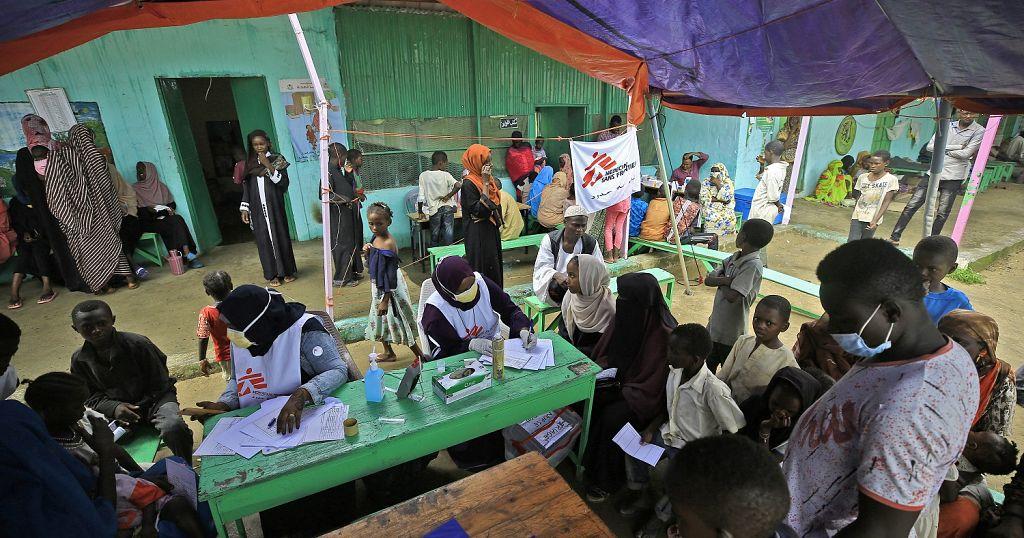
The network said the deteriorating conditions for displaced people worsened after the Rapid Support Forces overran the city of al-Karamk and several neighboring areas, triggering “wide-scale mass displacement.”
It warned that displaced people face “the spread of epidemics,” “a severe shortage of food and water,” and “a sharp deterioration in health services inside the shelters.”
The statement also warned that “the approaching autumn season portends a humanitarian catastrophe and an increasing likelihood of outbreaks of epidemic diseases” because of “poor health infrastructure and the absence of urgent interventions.”
The same report placed the broader conflict in context, saying Sudan has been at war since “mid-April 2023 between the army and the Rapid Support Forces,” described by the United Nations as “the world's largest humanitarian crisis,” with “about 12 million people” displaced.
Displacement from tribal clashes
Beyond the Blue Nile humanitarian warning, Africanews described a separate wave of displacement tied to ethnic conflict between the Berti and Hausa tribes, reporting that “more than 30,000 displaced people have fled the recent ethnic conflict between the Berti and Hausa tribes.”
The outlet said the violence in southern Sudan claimed relatives and burned homes for people like Ayoub Haroun, who “prefers to stay in a makeshift camp because he is too afraid of stray bullets in his village in southern Sudan.”

Africanews reported that in July, “105 Sudanese were killed and 31,000 displaced after clashes between the Hausa… and the Bartis,” and it said the fighting lasted “for a week” with “The shots did not stop, day or night.”
It described how a Damazin school became a refuge, saying “In a few hours, the building was transformed into a camp to welcome families rushing in from nearby villages.”
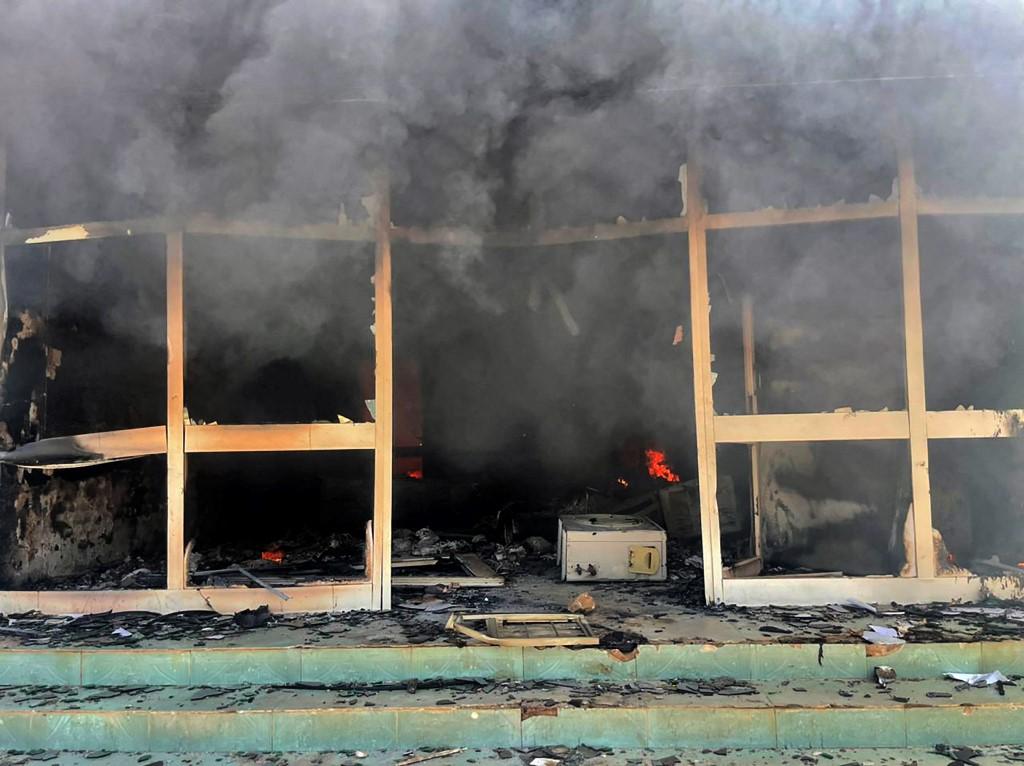
The report also described retaliatory violence beyond the initial clashes, saying “angry Hausa burned administrative buildings,” and it said pro-democracy protesters responded with “parades 'for coexistence' and 'against tribalism.'”
In Blue Nile, Africanews said “tribal dignitaries signed a conditional ceasefire,” while “true reconciliation remains elusive,” leaving “the specter of violence hanging over.”
The article linked the current instability to the security vacuum after a coup, saying “Since the coup by General Abdel Fattah al-Burhan in October 2021,” armed groups and tribes can “enforce the law of the strongest.”
Voices from the fighting
Middle East Eye’s reporting on Blue Nile described a deadly pattern of clashes and killings, attributing the violence to “the 'elites'” and reporting that health authorities said the fighting had killed “at least 79,” while “according to medical sources the real toll is much higher and continues to rise.”
“Sudan: In the Blue Nile, deadly tribal violence is blamed on the 'elites' Dozens of people have died in recent days in Blue Nile State in Sudan, as tribal clashes rage across the region”
The outlet said the largest fighting was between the Hausa and al-Hamaj ethnic groups, and it described how the government in Kassala, capital of Kassala state, “has banned public gatherings after several thousand Hausa set fire to government buildings and shops.”
A resident, Maaz Abakar, told Middle East Eye that his father was killed by an unidentified armed group in Genais East, saying, “In our village, the situation has been very tense since Wednesday,” and “One of our neighbors attacked our house with a weapon, killing my father and wounding one of my brothers.”
Abakar said he would not name the killer because he did not want to worsen the situation, but he added, “I can nevertheless say that these murders had ethnic motives.”
He also said the local government was not taking the violence seriously, telling Middle East Eye, “What we have seen is brutal and ongoing, but the local government is not taking this seriously.”
Another voice, Haroun, a Hausa of 37, told Middle East Eye that “They cannot do all this without the government's backing,” and he said he had seen “not fewer than 30 corpses,” with “more than 70 dead” in the village streets near Ad-Damazin.
Middle East Eye also reported that the Sudanese government, led by General Abdel Fattah al-Burhan, deployed the army and the Rapid Support Forces to the region, and it quoted Abakar saying tribal fighters at Al-Rosairis “looted weapons from one of the national army depots.”
Competing explanations and timelines
The three reports present different emphases on what is driving the violence and how it is unfolding across Blue Nile and neighboring areas.
Al-Jazeera Net frames the humanitarian catastrophe as tied to the Rapid Support Forces overrunning the city of al-Karamk and “several neighboring areas,” and it says the crisis worsened “after the Rapid Support Forces overran the city of al-Karamk and several neighboring areas.”
Africanews, by contrast, centers on ethnic conflict between the Berti and Hausa tribes, describing how clashes in July produced “105 Sudanese were killed and 31,000 displaced,” and it quotes Ayoub Haroun describing a week-long period when “The shots did not stop, day or night.”
Middle East Eye attributes the deadly clashes to “the 'elites'” and describes an escalation timeline beginning in Bakuri village on Wednesday, then spreading to Genais East and other parts of the state including Amura, Um Darfa and Al-Rosairis, with “the bloodbath peaked on Friday.”
It also says fighting continued on Sunday in the town of Ad-Damazin “despite the state of emergency and curfews in force declared by authorities on Friday evening.”
The outlets also differ in how they describe the scale of casualties: Al-Jazeera Net focuses on humanitarian displacement and warns of “more than 100,000 displaced,” while Middle East Eye reports “at least 79” deaths from health authorities and says medical sources put the toll higher, and Africanews reports “105 Sudanese were killed” in July.
Even within Middle East Eye’s account, the narrative includes claims about government involvement, with Haroun saying, “They cannot do all this without the government's backing,” and Abakar asserting that police and the army in “official uniforms” took part in street fighting.
What comes next for civilians
Across the reporting, the immediate stakes for civilians center on displacement, health collapse, and the risk of epidemics, with calls for urgent international action.
“A Sudanese medical network has issued a warning of a humanitarian catastrophe that threatens more than 100,000 displaced people in the Blue Nile region in southeastern Sudan as the autumn season approaches”
Al-Jazeera Net says the Sudan Doctors Network urged “international organizations and humanitarian actors to intervene immediately to provide food, medicine, and clean water,” and it added that they should “strengthen health care services” and “work to protect civilians, especially the most vulnerable.”
It warned that “the displaced face the spread of epidemics” and that “the approaching autumn season portends a humanitarian catastrophe,” linking the seasonal shift to “an increasing likelihood of outbreaks of epidemic diseases.”
Africanews described how people are already living in makeshift conditions, with Ayoub Haroun in a Damazin school and with the building “transformed into a camp,” while it also reported that “true reconciliation remains elusive.”
Middle East Eye described how thousands fled surrounding villages and sought refuge in Ad-Damazin, with Maaz Abakar saying, “We fled our Genais East region to join Ad-Damazin. There are thousands of displaced people in schools and other public buildings.”
It also reported that authorities declared a “state of emergency and curfews,” and that fighting continued “on Sunday” despite those measures, underscoring the fragility of any attempt to stabilize the situation.
Al-Jazeera Net added a military development, saying “On Saturday, the Rapid Support Forces announced control of the strategic city of al-Kili in the Blue Nile region,” after launching a “wide military operation in the region in March.”
More on Sudan

UNICEF Warns Darfur Children Face New Humanitarian Catastrophe, Homes Schools Hospitals Under Fire
20 sources compared
Egypt Launches 21 Free Return Journeys for Sudanese Refugees From Cairo to Sudan
11 sources compared
UNICEF Issues Child Alert as Sudan’s Darfur Children Face Rapidly Worsening Humanitarian Catastrophe
18 sources compared

Sudan Bans Imports of More Than 40 Goods to Curb Sudanese Pound Depreciation
10 sources compared