Full Analysis Summary
Abuse at RSF checkpoints
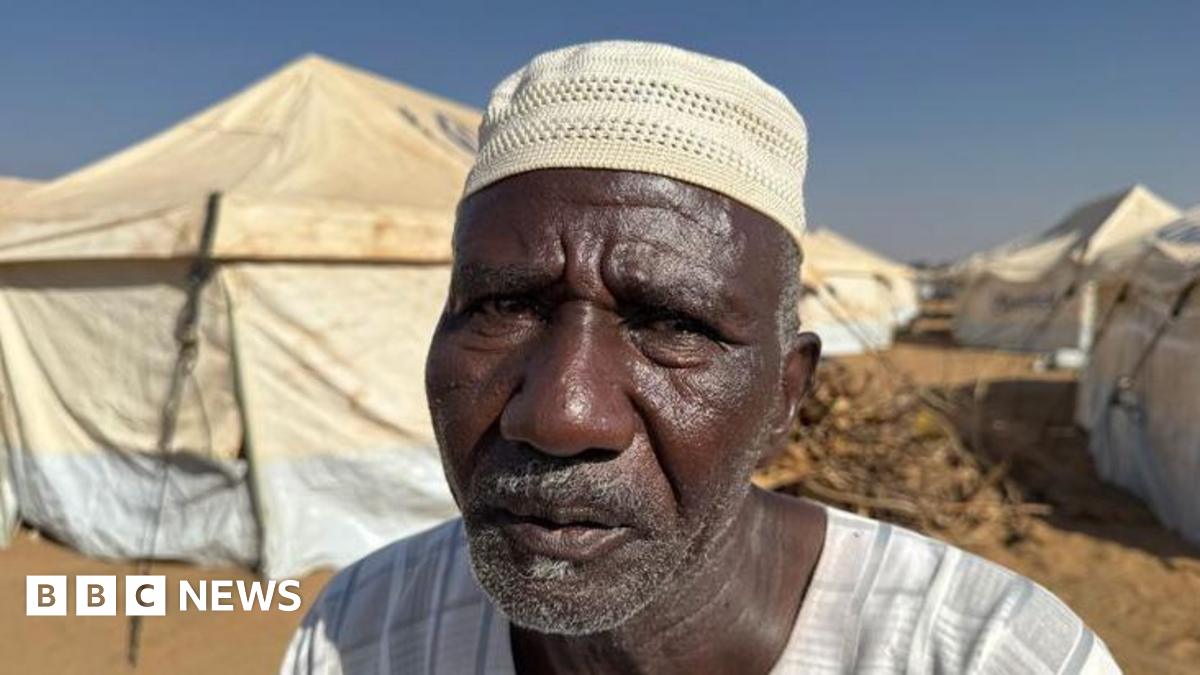
Reports from the BBC describe harrowing accounts from civilians who fled el-Fasher in Sudan, saying fighters at Rapid Support Forces (RSF) checkpoints committed abuse, extortion and killings as families tried to escape.
Witnesses told investigators that men of fighting age were separated, interrogated, beaten and in some cases shot and killed, while women were allowed to continue.
Survivors described people arriving at displacement sites such as Gurni and the al-Dabbah camp having been stripped of money, phones and belongings.
The accounts say families escaped on foot under dire conditions and that some died en route.
Taken together, these reports paint a picture of chaotic, violent checkpoints where injured or fleeing civilians were vulnerable to being run over or shot.
Coverage Differences
Single-source limitation / Missing comparative perspectives
Only the BBC excerpt is available for this request. Therefore it is not possible to compare how other source types (e.g., West Asian, Western Alternative) frame the events, or to identify direct contradictions or corroborations across multiple outlets. The statements in this paragraph are drawn from BBC reporting and are reported as witness accounts rather than editorial claims by other outlets.
Checkpoint abuses and extortion
Survivors recounted specific abuses at checkpoints, including extortion and coercive demands for money before passage was allowed.
Several survivors said they were forced to call relatives to transfer funds as a condition to be let through.
Other reports describe detainees being beaten and interrogated at checkpoints.
Survivors linked these practices either to RSF personnel staffing checkpoints or to lawless behavior when officers were absent.
The BBC frames these accounts as firsthand testimony from those who reached displacement sites and underlines that such actions made escape dependent on having cash or contacts rather than on safe passage.
Coverage Differences
Narrative detail available only here
Because only the BBC snippet is provided, this paragraph focuses on detailed survivor claims (forced calls to transfer money, extortion) that the BBC reports. Without other sources it's unclear whether other outlets emphasise financial coercion, the same methods, or alternative causes; the BBC presents these as survivor testimony and contrasts them with RSF denials.
Context of RSF accusations
The BBC notes broader accusations against both the RSF and Sudanese armed forces and cites a US determination that the RSF committed genocide in Darfur.
This places el‑Fasher survivor accounts within long‑running, severe allegations about the RSF’s conduct in western Sudan, heightening international concern about immediate checkpoint abuses and broader patterns of violence and impunity.
Coverage Differences
Contextual emphasis / Single-source evidence
The BBC explicitly links the el‑Fasher accounts to broader allegations, including a cited US finding that the RSF committed genocide in Darfur. Without other sources it is not possible here to compare how different outlet types weight legal findings or the term "genocide"; the BBC presents that US finding as background to the survivor reports.
RSF response and survivor claims
The RSF publicly denied systematic abuses, saying allegations were politically motivated, and released footage it said showed aid distribution and reopened services.
Survivors and witnesses told reporters abuses were often worse when officers were absent and that the RSF's staged material did not match their experiences, creating conflicting narratives about control, intent and accountability.
Coverage Differences
Contradiction / Tone difference within single source
Within the BBC reporting there is direct contrast between RSF denials (they reject accusations and release footage of aid) and survivor testimony describing extortion, beatings and killings. Because only the BBC is provided, this paragraph highlights that the single source documents both the RSF's rejection and the witnesses' contrary claims, but cannot show how other outlets might prioritise one narrative over the other.
Limitations and further sources
The account above is strictly drawn from the single BBC excerpt provided.
That source contains detailed survivor testimony and notes broader allegations, but I cannot reliably identify differing emphases, omissions, or conflicting framing from West Asian or Western alternative outlets because those texts were not supplied.
To produce a multi-perspective, source-type comparison and to meet the usual requirement to include multiple independent citations per paragraph from different source types, additional articles from other outlets would be needed.
Coverage Differences
Missed information / Call for more sources
This paragraph explicitly states that no other sources were provided. It identifies the resulting inability to perform the requested multi‑source comparison and asks for more source material so differences across source types can be accurately documented.