Sudan22 December, 20252 min read
Rapid Support Forces Seize El-Fasher, Force 107,294 Civilians to Flee
This article is an automated aggregation of coverage from news outlets. Our editorials offer in-depth analysis curated by the NewsCord team.
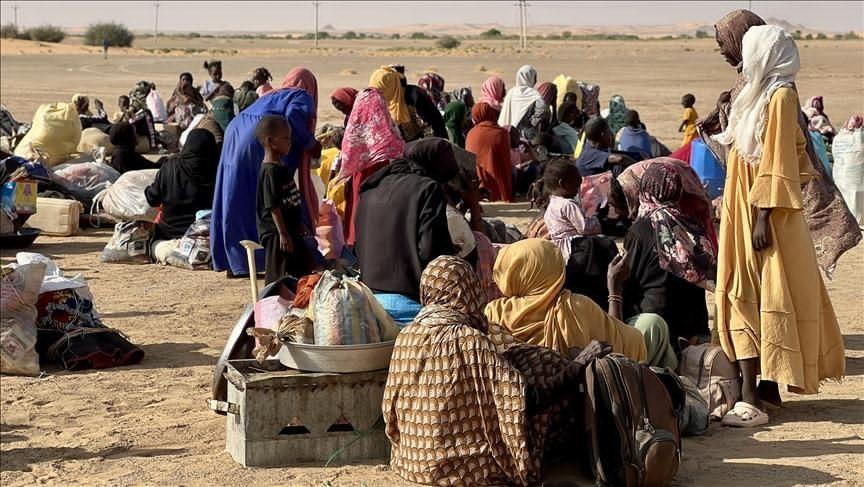
Rapid Support Forces captured El-Fasher after heavy fighting with the Sudanese army 107,294 people displaced from El-Fasher and surrounding villages between Oct. 26 and Dec. 8
7 outlets told this the same way.
El-Fasher displacement crisis
Between 26 October and 8 December, the paramilitary Rapid Support Forces (RSF) seized El-Fasher (al-Fashir) in North Darfur, triggering a large displacement crisis. The International Organization for Migration (IOM) estimates that 107,294 people, about 24,221 families, fled the city and surrounding villages after the seizure and the sharp deterioration in security.
“The International Organization for Migration (IOM) said on December 21 that some 107,294 people (about 24,221 families) were displaced from El-Fasher and surrounding villages in North Darfur between Oct. 26 and Dec. 8, after the paramilitary Rapid Support Forces (RSF) seized the city and security sharply deteriorated.”
The IOM and reporting outlets describe this figure as preliminary and subject to change as ongoing insecurity and movement restrictions continue to reshape displacement patterns. The seizure is presented as part of the wider conflict that began in April 2023, which reporting says has killed thousands and uprooted millions across Sudan.

Displacement from al-Fashir
IOM preliminary breakdowns and reporting outlets describe how displacement from al-Fashir has been distributed. Roughly 72% of those uprooted from al-Fashir remained elsewhere in northern and western North Darfur, and about 19% reached other Sudanese states such as Central Darfur, Northern State and White Nile.
IOM teams found that about 75% of the newly displaced had already been displaced previously from camps like Zamzam and Abu Shouk or from al-Fashir neighbourhoods. Multiple outlets repeat the IOM caveat that these figures are preliminary and could change as insecurity and movement restrictions alter routes and access.
Recurrent displacement in al-Fashir
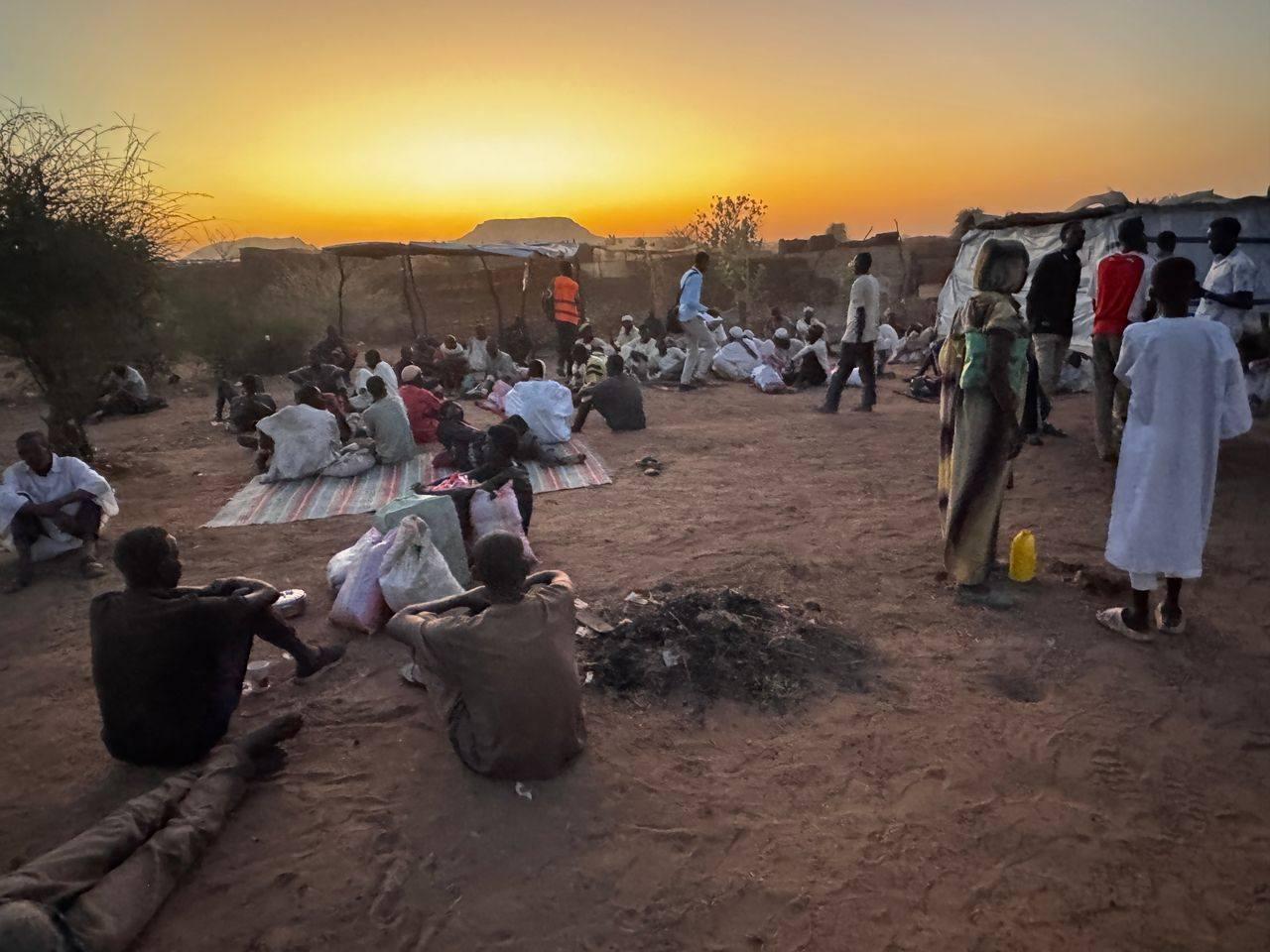
Most of those forced to flee al-Fashir were already internally displaced before the recent seizure; roughly three-quarters had been uprooted earlier from camps such as Zamzam and Abu Shouk or from al-Fashir neighbourhoods.
“IOM teams found that about 75% of those displaced since Oct. 26 had already been displaced previously from camps such as Zamzam and Abu Shouk or from El-Fasher neighbourhoods.”
Reporters and the IOM describe this as a cycle of repeated uprooting that compounds vulnerability, makes needs more complex, and heightens protection concerns for families with repeated displacement histories.
Sudan conflict overview
Reporting situates the al-Fashir seizure within a broader operational and political map of control and fighting. The North Africa Post reports that the RSF now controls four of Darfur's five states while the army holds most areas in the other 13 states. Outlets note heavy fighting in North, West and South Kordofan that has displaced tens of thousands more.
Al-Jazeera places the al-Fashir events in the context of a war since April 2023 that has killed tens of thousands and uprooted roughly 13 million people. Dabanga highlights ongoing Kordofan battles that have already displaced more than 50,000 people and could force many more to flee if clashes continue.

Humanitarian impact and accountability
Al-Jazeera reports that RSF commander Mohamed Hamdan Dagalo (Hemedti) acknowledged abuses by his forces in al-Fashir and said investigation committees were formed. Dabanga warns that aid agencies are scaling back responses amid funding cuts, shortfalls and insecurity, leaving displaced families without urgent assistance. North Africa Post and TRT World emphasize that ongoing insecurity and movement restrictions could further change displacement patterns and complicate aid delivery.
“On 29 October RSF commander Mohamed Hamdan Dagalo (Hemedti) acknowledged abuses by his forces in al-Fashir and said investigation committees were formed.”