Full Analysis Summary
Displacement after el-Fasher fall
The Rapid Support Forces (RSF) seized el-Fasher in late October.
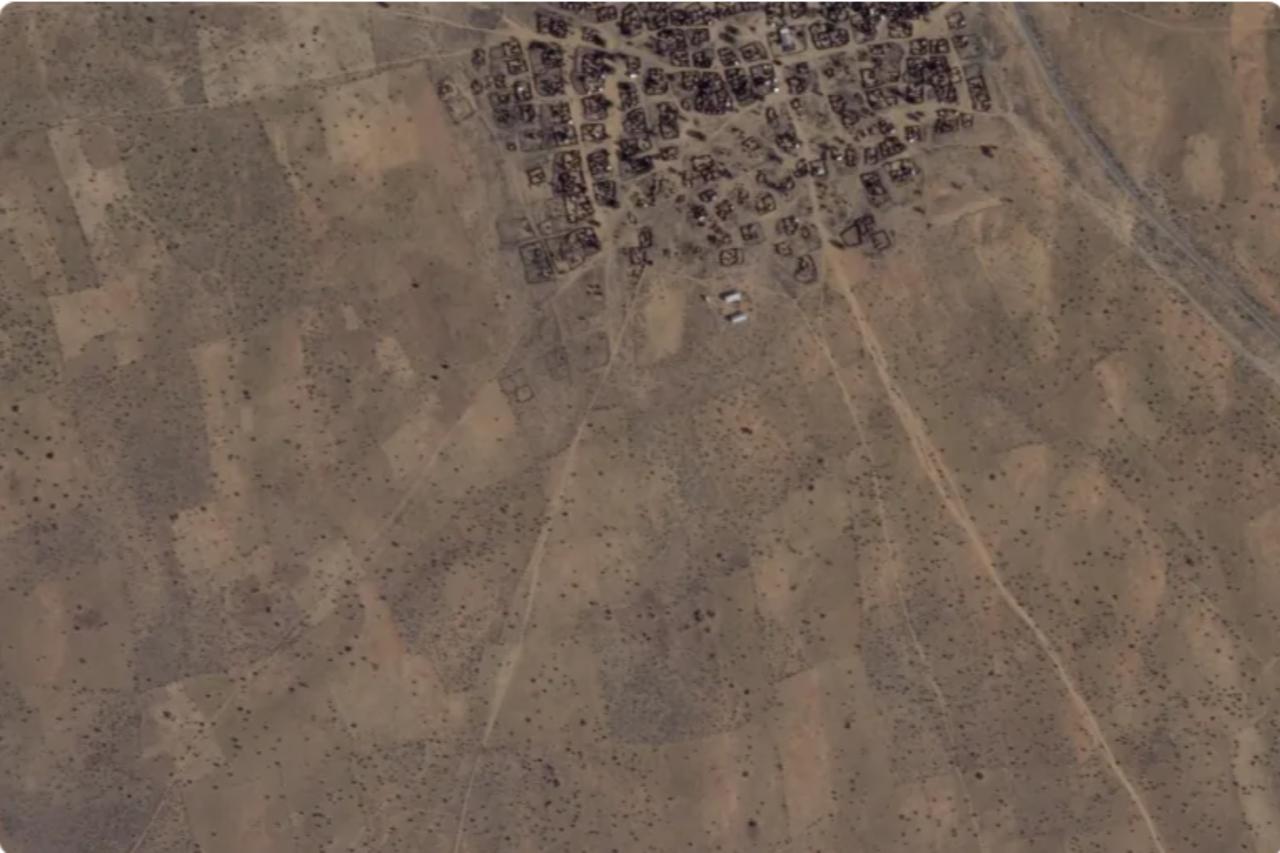
That move coincided with the emergence and rapid expansion of new displacement camps in North Darfur and the Northern state, according to satellite-image analysis and reporting.
Al Jazeera's reporting and investigation units document that a new camp in Qarni, northwest of el-Fasher, appeared after the city fell to the RSF on Oct. 26 and has steadily grown in the weeks since.
The camp has converted large areas into crowded shelters for displaced people.
Local reporting summarized by Türkiye Today repeats the satellite findings and highlights the speed of camp formation and overcrowding as people flee frontlines and the consolidation of RSF control.
Coverage Differences
Emphasis / focus
All three sources report on the seizure of el-Fasher and the appearance of new camps, but they emphasize different aspects: Al Jazeera foregrounds the RSF’s role in the takeover and links the seizure to broader conflict dynamics and human-rights allegations; Al-Jazeera Net (Digital Investigations) focuses tightly on satellite imagery showing the Qarni camp’s growth; Türkiye Today reiterates the satellite findings and stresses rapid expansion and overcrowding. Each source reports facts but with differing emphasis — Al Jazeera on the political and humanitarian context, the Digital Investigations piece on forensic imagery, and Türkiye Today on displacement and overcrowding.
Satellite imagery findings
Satellite imagery is the core evidentiary base cited across these accounts.
Al-Jazeera Net and Türkiye Today describe imagery analyses showing rapid conversion of land into makeshift shelters and the emergence of the Qarni camp between late October and late December.
They stress visible growth and overcrowding in images dated 25 October to 29 December.
Al Jazeera references broader forensic and remote-sensing work, including a Yale Humanitarian Research Lab report documenting alleged efforts by the RSF to destroy evidence of mass killings.
Satellite imagery in that report shows clusters consistent with human remains shrinking or disappearing by late November, which is linked to allegations of deliberate evidence removal as well as displacement.
Coverage Differences
Narrative detail / forensic focus
Al-Jazeera Net and Türkiye Today concentrate on camp footprints and growth visible in imagery; Al Jazeera extends the satellite-evidence narrative to include forensic claims about burial and removal of human remains (citing Yale), thus widening the scope from displacement-camp expansion to alleged attempts to erase evidence of mass killings. The former present physical camp expansion; the latter frames imagery as part of a pattern of rights abuses.
Al Jazeera on Sudan atrocities
Beyond camp growth, Al Jazeera's reporting documents severe allegations of ethnically targeted mass killings, sexual violence and the destruction of evidence by the RSF and draws a throughline from the RSF's origins in the Janjaweed to contemporary atrocities.
It cites local and UN investigations, the Sudan Doctors Network and a UN Human Rights Office report describing incidents such as the killing of more than 200 people in Ambro, Serba and Abu Qumra after a 24 December offensive, and a three-day assault on the Zamzam displacement camp in April that UN investigators say killed over 1,000 civilians and included widespread rape and sexual slavery.
Coverage Differences
Content severity / human-rights focus
Al Jazeera includes explicit allegations of large-scale, ethnically targeted slaughter and sexual violence with named local and UN sources; Türkiye Today and Al-Jazeera Net do not recount these specific allegations in the provided snippets and instead focus on displacement and imagery. Thus Al Jazeera reports grave human-rights claims and forensic findings that the other two pieces do not detail in their summarized lines.
Displacement and casualty overview
Al Jazeera provides aggregate figures for the wider war, reporting that since late October about 107,000 people have fled el-Fasher and nearby areas, with 72% remaining in North Darfur.
Al Jazeera also presents broader estimates that the wider war has killed more than 100,000 people, displaced about 14 million, and left roughly 30.4 million people needing aid.
Türkiye Today and Al-Jazeera Net highlight the immediate, visible effects around el-Fasher, including new camps and overcrowding.
However, the snippets from Türkiye Today and Al-Jazeera Net do not include the same national-scale casualty and displacement tallies provided by Al Jazeera.
Coverage Differences
Scale reporting / statistics included
Al Jazeera provides detailed numerical estimates for displacement and casualties at national and local levels; Türkiye Today and Al-Jazeera Net focus on imagery and local camp emergence without the same set of large-scale casualty or humanitarian-appeal figures in the snippets provided. That represents a difference in scope: national synthesis versus localized, image-driven reporting.
El-Fasher reporting comparison
Taken together, the reporting paints a picture of rapidly shifting frontlines, visible displacement captured by satellite, and grave allegations of rights abuses tied to RSF operations.
The primary difference across the three West Asian sources is one of scope and tone.
Türkiye Today and Al-Jazeera Net focus on the immediate, image-documented phenomenon of camp emergence and overcrowding, noting the Qarni camp specifically.
Al Jazeera integrates those imagery findings into a broader account that includes forensic claims, named investigations, allegations of mass and ethnically targeted violence, and national-level casualty and displacement figures.
Readers should note that snippets from Türkiye Today and Al-Jazeera Net provided here do not include the detailed human-rights allegations and aggregated statistics that appear in Al Jazeera's wider report.
This leads to different emphases despite shared factual elements about el-Fasher's fall and the appearance of camps.
Coverage Differences
Scope and omission
All three sources align on the factual core (el-Fasher’s fall and new camps), but Al Jazeera’s account includes additional, serious allegations and numerical context (forensic reports, mass killings, national casualty/displacement totals) that are not present in the Türkiye Today and Al-Jazeera Net snippets; this is a difference of scope and depth rather than a direct factual contradiction. Also note that all provided sources are West Asian in type, which constrains the range of regional perspectives in these snippets.