Sudan09 December, 20252 min read
Rapid Support Forces Seize Sudan's Largest Oil Field
This article is an automated aggregation of coverage from news outlets. Our editorials offer in-depth analysis curated by the NewsCord team.
RSF seized the Heglig oil field in West Kordofan Oil production halted and engineers evacuated into South Sudan after army withdrawal
9 outlets told this the same way.
RSF captures Heglig oilfield
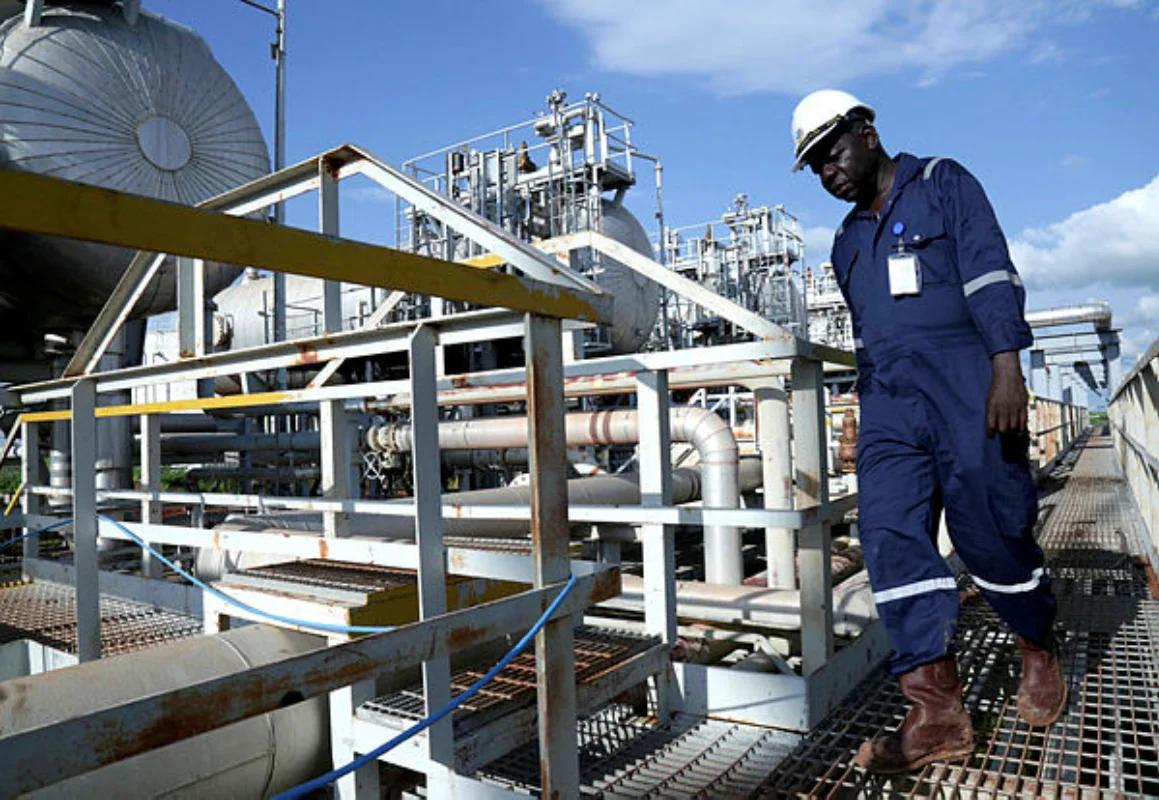
Sudan’s paramilitary Rapid Support Forces (RSF) announced they captured Heglig, the country’s largest oil field and the main processing hub for crude from South Sudan, calling the takeover a turning point in their campaign and describing the seizure as "pivotal" for the economy. Industry and local reports say RSF statements claimed they shut down nearby processing facilities, evacuated staff to South Sudan and pledged to protect engineers and infrastructure as fighting continued across Kordofan and Darfur. Corporate and international responses were swift, with China National Petroleum Corporation (CNPC) invoking force majeure, moving to terminate Sudan contracts and citing attacks, office shutdowns and evacuations.
“The paramilitary Rapid Support Forces (RSF) said it seized the Heglig oil field in West Kordofan, Sudan’s largest oil field and the main processing hub for crude from South Sudan, calling the capture a turning point in its campaign to ‘liberate the entire homeland.’”
Heglig capture economic impact
Heglig's capture carries clear economic implications. The field is described repeatedly as the main processing hub for South Sudan's oil exports, and the pipeline to Port Sudan feeds vital revenue into an already collapsed Sudanese economy.
Industry sources and former officials warned of immediate disruption, with The Sun quoting former oil minister Gadein Ali Obeid calling the loss a 'disaster' and flagging that Sudan has lost its two main oil-producing regions. CNPC's invocation of force majeure signals longer-term contractual and operational fallout.

RSF advances in Sudan
Militarily, sources describe the capture as part of a broader RSF advance that has shifted control maps across Sudan. The Sun reports the army says it withdrew to "protect facilities," leaving the RSF holding the west and much of the south while the army holds the north, east and centre. Dabanga documents additional RSF claims across West Kordofan, including Babanusa and the SAF’s 22nd Infantry Division headquarters.
“Sudan’s army says it withdrew from the Heglig oil site ‘to protect facilities’ as the Rapid Support Forces (RSF) advance has effectively split the country — the army holding the north, east and centre, and the RSF controlling the west and much of the south.”
Dabanga also warns of RSF activity in Abyei that has driven up crime and produced reports of detained UN peacekeepers and looted UN convoys. Daily Sabah frames the move as the latest after the RSF’s ousting of the army from Darfur and the advance into Kordofan.
Heglig capture and fallout
Corporate and international actors reacted by halting operations and flagging security and legal risk. Dabanga reports CNPC’s force majeure and contract termination efforts and describes staff evacuations into South Sudan. UNISFA warned that RSF unauthorised presence had driven up crime and illegal checkpoints.
The Sun stresses how losing Heglig threatens Sudan’s already collapsed economy and vital export pipeline. Daily Sabah highlights how the capture follows successive RSF gains, noting the broader pattern of escalation rather than isolated economic disruption.

Humanitarian impact in Abyei
Humanitarian concerns and allegations of abuses accompany the strategic and economic fallout. Dabanga cites UNISFA warnings that the RSF's unauthorised presence in Abyei has driven up crime and illegal checkpoints, and reports earlier allegations that RSF fighters detained UN peacekeepers, abducted civilians, and looted a UN convoy.
“The UN interim force for Abyei (UNISFA) warned the RSF’s unauthorised presence in the disputed Abyei area has driven up crime and illegal checkpoints; earlier reports say RSF fighters detained UN peacekeepers, abducted civilians and looted a UN convoy.”
Daily Sabah's coverage places the seizure alongside recent deadly incidents, noting that a drone strike on a kindergarten and hospital killed 114 people, including 63 children, according to WHO reporting. These reports underline how the wider conflict is producing severe civilian harm even as combatants fight over resources.
