Sudan16 February, 20263 min read
Rapid Support Forces Shell Hospital in Sennar State, Kill 3
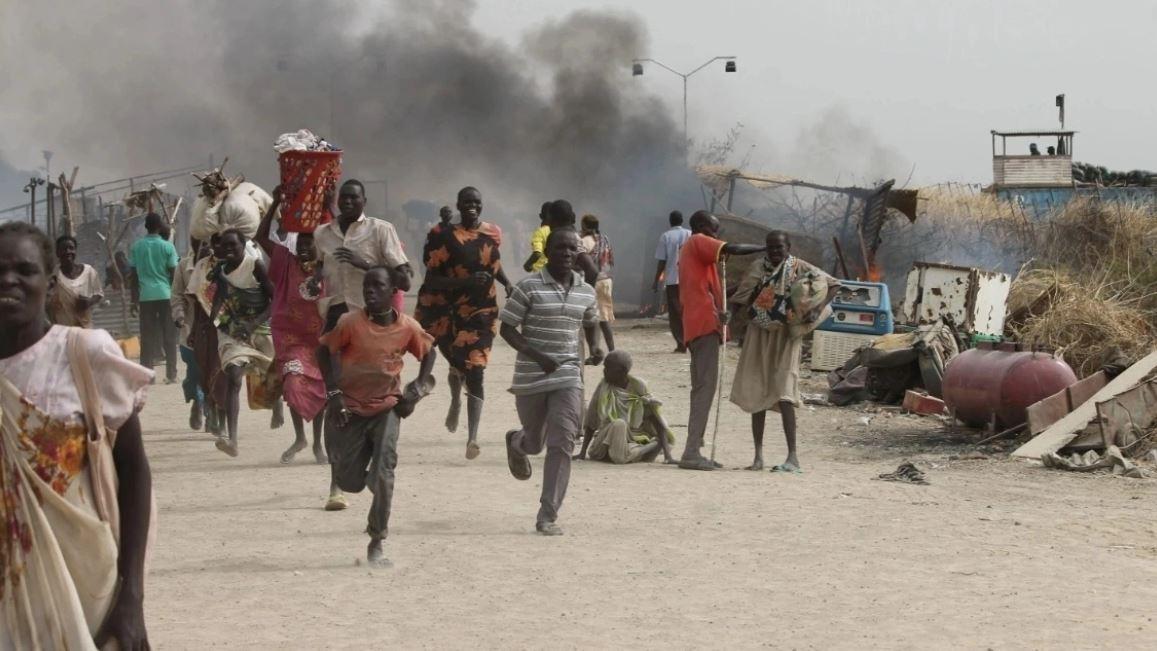
Drones struck the Al‑Safiya market in North Kordofan, killing at least 28 civilians The strike occurred during peak market hours, wounding dozens including women, children and elderly

13 outlets told this the same way.
Outlets did split on Air Strike Destroys Two WFP Trucks Carrying Food for 5,800 People in South Kordofan →
Sennar hospital shelling reports
Sudan’s Doctors Network reported that shelling by the Rapid Support Forces (RSF) struck a hospital in Sennar state, leaving three dead and seven wounded. Regional outlets repeated the account as part of a wave of strikes and cross-fire in Sudan’s contested Kordofan and neighbouring states. Al-Jazeera Net notes the RSF shelling of a Sennar hospital and situates it amid renewed fighting and efforts toward a humanitarian truce.
“The Sudan Doctors Network said RSF shelling of a hospital in Sennar state killed three people and wounded seven.”
Radio Dabanga reported the same casualty figures but described the incident as disputed, saying other accounts placed explosions roughly 500 metres from the facility. Wider coverage of Kordofan and Darfur documented a surge in strikes on markets, convoys and medical facilities, heightening concerns about civilian harm.
Sennar and Kordofan toll
The immediate human toll reported around Sennar and across Kordofan is set against alarming displacement, hunger and longer‑term casualties cited by multiple outlets. Al‑Jazeera Net describes the wider war since April 2023 as having caused “tens of thousands of deaths, about 13 million people displaced and a severe famine.” Al Jazeera reported that rights monitors and the U.N. have documented mass killings and widespread atrocities in Kordofan and Darfur.
Other outlets documenting market strikes found dozens killed in single incidents. Al Jazeera and United News of Bangladesh reported at least 28 dead in an Al‑Safiya/Sudri market strike and warned the toll could rise. These accounts collectively portray mounting civilian suffering from strikes, shelling and restricted humanitarian access.

Conflicting battlefield reports
Al‑Jazeera Net and Radio Dabanga report that the Sudanese Armed Forces said they destroyed an RSF air‑defence system in Abu Zabad and claimed heavy losses. Radio Dabanga also records RSF claims of striking El Obeid with drones and of shooting down an army drone. Rights groups and hospital networks report civilian casualties and damage.
“Separately, the Sudanese army announced it destroyed an RSF air‑defense system in the Abu Zabad area of West Kordofan during a special operation, claiming heavy losses; the RSF had not commented.”
Unnamed military officials quoted by United News of Bangladesh deny targeting civilians. The mix of military claims, denials and independent rights reporting makes it difficult to reconcile battlefield assertions with on‑the‑ground civilian casualty accounts.
Responses to market strikes
Multiple rights groups and local volunteers condemned the strikes and demanded protection for civilians. Emergency Lawyers called the market incident a "humanitarian tragedy" and urged both sides to stop aerial attacks and respect international humanitarian law, according to reporting cited by The Eastleigh Voice. United News of Bangladesh relayed Emergency Lawyers’ statement calling repeated drone strikes a "serious disregard for civilian life" and demanding an immediate halt.
Radio Dabanga noted lawyers’ denunciations of grave breaches and documented local committees formed to track casualties. Some outlets stopped short of assigning responsibility in the immediate aftermath, stressing preliminary figures and the need for verification.

Kordofan humanitarian concerns
Diplomatic and humanitarian actors have urged pauses and pushed for negotiations amid the uncertainty. Al‑Jazeera Net reports a U.S. adviser saying work is underway to secure a humanitarian truce. U.N. officials and rights monitors warn that Kordofan is "volatile and a focus of hostilities" and say limited access likely understates civilian harm.
“A U.S. adviser said work is underway to secure a humanitarian truce.”
Several sources underline that verification is constrained by ongoing combat in remote areas and that casualty figures are preliminary. Rights groups and local committees are attempting to document deaths and damage, but reporting gaps remain.