Full story
Record rain hits Chiba
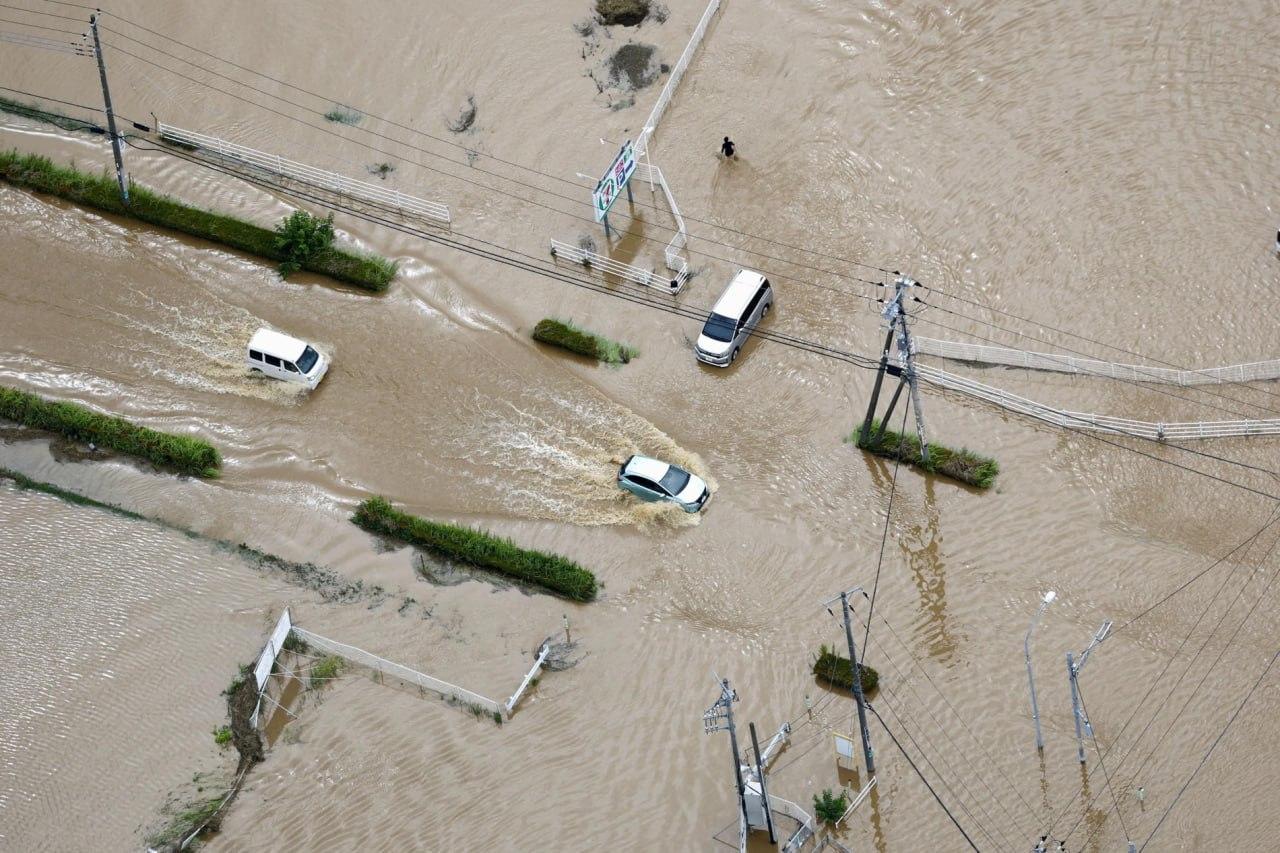
Record rainfall in Japan’s Chiba prefecture, east of Tokyo, killed eight people and stranded thousands of travellers at Tokyo’s Narita airport during one of Japan’s busiest holiday weeks.
“Record rainfall in Japan stranded thousands of travellers at Tokyo's Narita airport on Friday, bringing floods to the surrounding area”
Reuters said more than 360 mm of rain fell in 24 hours in parts of the Chiba area adjoining Tokyo, inundating roads and railways and knocking out power to 20,000 homes.
Chiba Governor Toshihito Kumagai told reporters on Friday morning, "This case was an extremely unusual situation, even by Japan's historical weather standards," and added, "I have responded to many disasters in the past, but I have never experienced a case like this."
The BBC reported that local authorities issued a level five emergency warning, its highest alert, on Thursday, which was downgraded to a level four by Friday morning while they continued to warn of landslide and flooding risks.
The BBC also said the rains cut power to more than 20,000 households and left 7,000 travellers stranded overnight at Tokyo's Narita airport.
Evacuations, outages, delays
As flooding disrupted transport, Reuters reported that airport staff distributed sleeping bags, water and snacks to hundreds of passengers, many of whom had bedded down on Thursday after transport disruptions stranded about 7,000 people.
Minoru Yamasaki, a 48-year-old Chiba resident returning from holiday, told Reuters, "I queued for a taxi, but the wait was four hours," after he had booked a hotel that he was later told could not put him up.

The Independent said Chiba city recorded 115mm in a single hour and Sakura 97mm, both records for those places, while the Japan Meteorological Agency issued its highest level of heavy rainfall warning for more than a dozen municipalities before downgrading it on Friday.
The Independent quoted Kazuhito Shimamoto from the land ministry advising the public, "For rivers where the risk of flooding is already high, please take action to protect your lives in any way possible," as officials urged people to evacuate early where risks were expected to increase.
Japan’s Ground Self-Defense Force dispatched buses to pick up about 4,000 people who had spent the night at the Soga train station, according to the BBC, while the Independent said some rail services connecting Narita to Tokyo had resumed by Friday morning.
What comes next
With the rain easing, the BBC said the Japan Meteorological Agency downgraded its most recent deluge warning to level four by Friday morning but continued to warn of landslide and flooding risks, while the rains were expected to last through late on Friday.
“The rains are expected to last through late on Friday.”
The Independent reported that more than 80 homes were flooded and nearly 230,000 residents across the prefecture were advised to leave for safety, and it said about 23,000 households were still without power on Friday morning after earlier outages.
Reuters said weather authorities reported the 367 mm of rain over a 24-hour period in Chiba exceeded the previous record of 309 mm set in October 2013, underscoring the scale of the event that disrupted power, highways, and rail services.
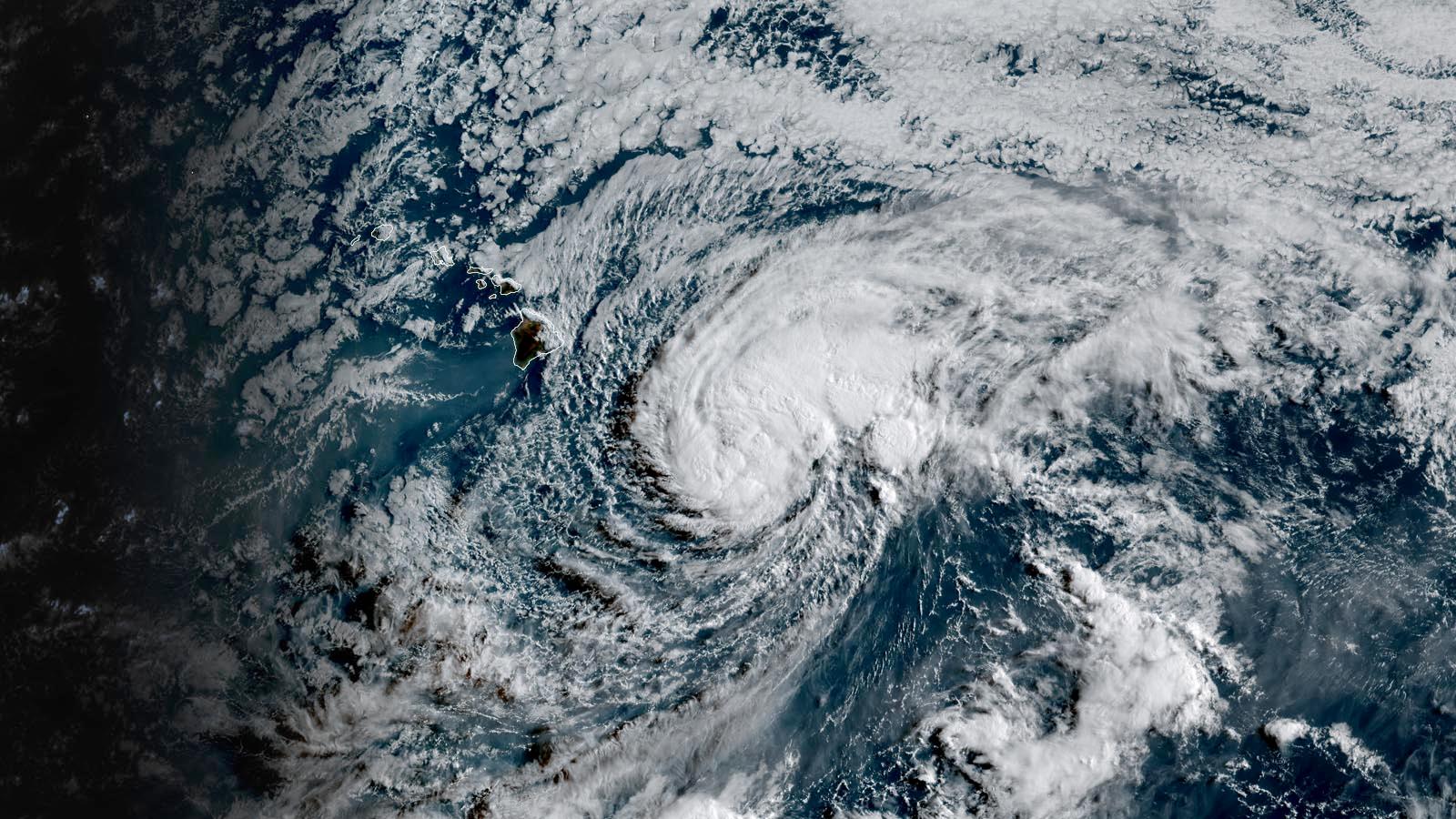
In the wider region, the BBC said Japan, the Philippines and China were hit by back-to-back storms—Dolphin, Chan-Hom and Peilou—churning across the region at the same time, and it reported that Dolphin brought heavy rain to Japan’s Okinawa island and that Chinese authorities evacuated more than a million people as Dolphin made landfall in China’s east.
For those affected locally, the BBC reported that authorities would prioritise saving lives and persist with rescue efforts, while the Independent said the Ground Self Defence Force sent buses to collect some 4,000 people from Soga station and that the theme park Tokyo Disney Resort reported no damage.