Full Analysis Summary
Zona 7 hunger strike
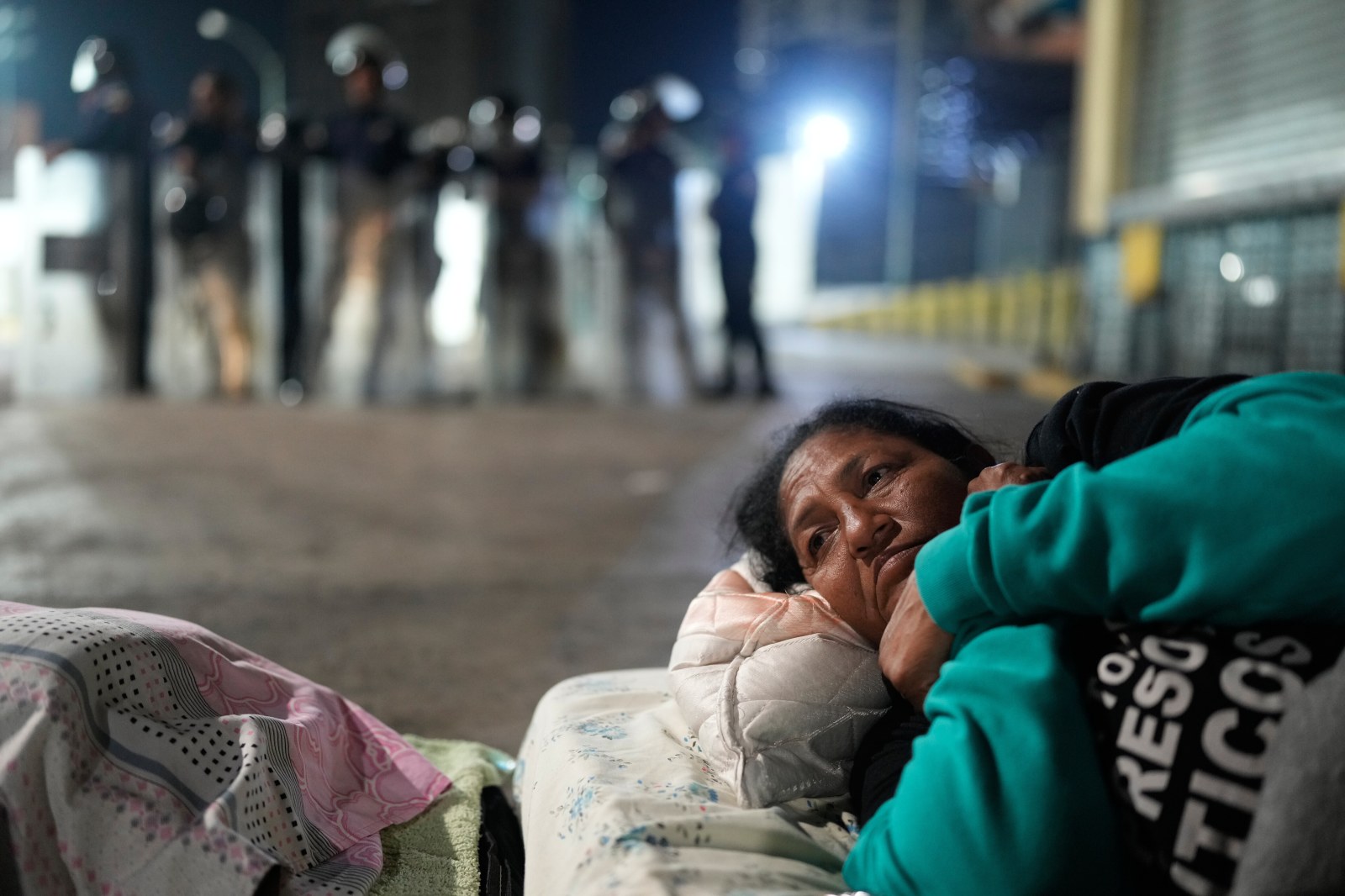
Relatives of political prisoners in Caracas launched a hunger strike outside the Zone 7 national police facility after 17 detainees were freed there earlier the same day.
About 10 women lay at the prison entrance and some were sleeping "to ease the hunger," a protester told AFP.
The Committee for the Freedom of Political Prisoners says 10 people will fast until all 33 political prisoners estimated to be held at Zona 7 are released.
Families have been camped outside the facility since Jan. 8 and reunited with relatives after the recent releases.
Organizers and relatives framed the strike as a push to accelerate promised releases tied to a broader amnesty process announced by the government.
Coverage Differences
Tone
Digital Journal (Western Mainstream) emphasizes quotations from named relatives and official social-media announcements, highlighting personal hardship and a call to "pursue this path of peace" reported from National Assembly President Jorge Rodriguez. lnginnorthernbc.ca (Other) focuses on on-the-ground protest details—masked women, handwritten lists and the slogan “everyone’s release be achieved and real.” Winnipeg Free Press (Local Western) frames the action through organizational and numerical context (the Committee for the Freedom of Political Prisoners, an estimate of 33 detainees) and links the strike to prior camping since Jan. 8.
Protests over releases and amnesty
The immediate catalyst for the protest was the overnight release of 17 inmates from Zona 7 and stalled legislation on a proposed, wide-ranging amnesty law.
National Assembly President Jorge Rodriguez announced the 17 releases on social media and urged Venezuelans to "pursue this path of peace."
Lawmakers have approved parts of an amnesty measure but suspended sessions to resolve disputed provisions, notably whether exiles can receive amnesty, with debate reported as expected to resume next week.
Coverage Differences
Narrative Framing
Digital Journal (Western Mainstream) reports the National Assembly President’s social-media announcement and frames the amnesty as championed by acting President Delcy Rodriguez to redress decades of repression and specific crimes like "treason" and "terrorism." Winnipeg Free Press (Local Western) emphasizes legislative procedural disputes (exiles eligibility) and offers a forward-looking expectation that debate will resume next week; lnginnorthernbc.ca (Other) highlights the timing of the amnesty approval being postponed days earlier as the proximate trigger for the hunger strike.
Source descriptions of leaders
Sources differ in how they describe the government actors tied to the amnesty.
Digital Journal calls Delcy Rodriguez the 'acting President' who has championed the amnesty.
lnginnorthernbc.ca uses the term 'interim president Delcy Rodríguez' and situates the process amid 'U.S. pressure.'
Winnipeg Free Press frames the detentions as occurring 'under President Nicolás Maduro.'
Winnipeg Free Press links the hunger strike to the broader political context of Maduro’s government and parliamentary action.
The sources therefore contradict one another on the title used for Delcy Rodríguez.
Coverage Differences
Titles
The three outlets use different titles and emphases: Digital Journal (Western Mainstream) labels Delcy Rodriguez "acting President" and credits her association with the amnesty; lnginnorthernbc.ca (Other) calls Delcy Rodríguez "interim president" and explicitly notes U.S. pressure shaping the process; Winnipeg Free Press (Local Western) foregrounds that dissidents are held "under President Nicolás Maduro," connecting the issue to Maduro’s government and legislative dynamics. These variations affect readers’ perceptions of who is driving or responsible for the amnesty process.
Protest demands and actions
Relatives and campaigners supplied vivid on-the-ground details of the protest and their demands.
lnginnorthernbc.ca reports about ten masked women left a handwritten list of strikers and chanted demands that "everyone's release be achieved and real,"
Digital Journal quotes a named relative, Evelin Quiaro, saying she had "eaten her last meal at about 1:00 a.m."
Winnipeg Free Press records the organized stance of a named group—the Committee for the Freedom of Political Prisoners—declaring a fast until all estimated detainees are freed.
Coverage Differences
Detail Emphasis
lnginnorthernbc.ca (Other) emphasizes visceral protest details (masked women, handwritten lists, direct slogans like “everyone’s release be achieved and real”), Digital Journal (Western Mainstream) includes a named witness and AFP sourcing to convey personal hardship, and Winnipeg Free Press (Local Western) emphasizes organizational strategy and numerical goals from the Committee for the Freedom of Political Prisoners. Each outlet therefore highlights different actors (unnamed protesters, a named relative, a formal committee) and supplies varying depth of human detail versus institutional framing.
Amnesty debate and international pressure
The political and international backdrop remains contested and uncertain.
Digital Journal says the amnesty is pitched as a remedy for "nearly three decades of repression" and to cover crimes such as "treason," "terrorism" and spreading "hate."
Digital Journal reports lawmakers "postponed final adoption after pro-government and opposition deputies clashed" over a court-appearance provision.
Winnipeg Free Press reports U.S. pressure for political reforms even as Washington eases some oil sanctions and officials meet to discuss boosting oil production.
Winnipeg Free Press quotes exiled opposition leader María Corina Machado urging a peaceful transition and new elections.
lnginnorthernbc.ca similarly links the January 8 process announcement to U.S. pressure.
The combined coverage shows a domestic stalemate over amnesty details and active international involvement.
The outcome and timetable remain unclear.
Coverage Differences
International Context
Digital Journal (Western Mainstream) emphasizes the amnesty’s domestic framing and the legal details and clashes in the National Assembly; Winnipeg Free Press (Local Western) supplements this with explicit reporting on U.S. pressure, sanction adjustments and high-level talks over oil production, plus opposition leader María Corina Machado’s international messaging; lnginnorthernbc.ca (Other) foregrounds the U.S. pressure connection when describing the process announced on January 8. These differences produce varying senses of whether the issue is primarily domestic lawmaking or part of broader diplomatic bargaining.