Asia21 November, 20252 min read
Relentless Rains Kill at Least 41, Submerge 52,000 Homes and Cut Power to Half a Million in Central Vietnam
This article is an automated aggregation of coverage from news outlets. Our editorials offer in-depth analysis curated by the NewsCord team.
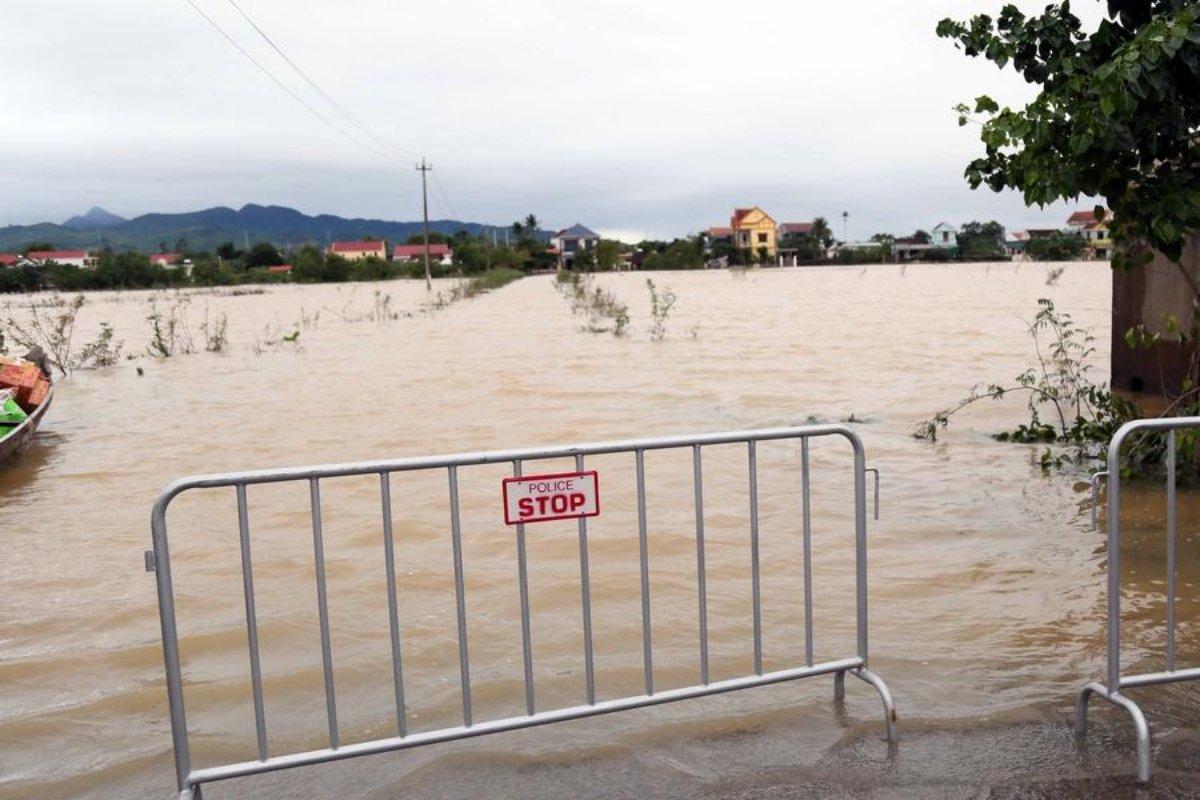
Heavy rains and floods killed at least 41 people; nine remain missing. Floodwaters submerged more than 52,000 homes in central Vietnam.
5 outlets told this the same way.
Central Vietnam flood crisis
Relentless rains and flooding in central Vietnam over several days have killed at least 41 people and left nine missing, according to state media and international outlets. More than 52,000 homes were submerged and roughly half a million households and businesses lost power after rainfall totals exceeded 1.5 meters in several locations. In some places the downpours surpassed previous records from the 1993 floods.
“Relentless rains and flooding in central Vietnam have killed at least 41 people, with nine more missing, state media and international outlets report. More than 52,000 homes were submerged and about half a million households and businesses lost power after rainfall of over 1.5 meters in some areas during three days—exceeding record levels seen in the 1993 floods. Hardest-hit areas include the coastal cities of Hoi An and Nha Trang and the central highlands’ coffee belt, where harvests were already disrupted by prior storms. Tens of thousands of residents have been evacuated.”
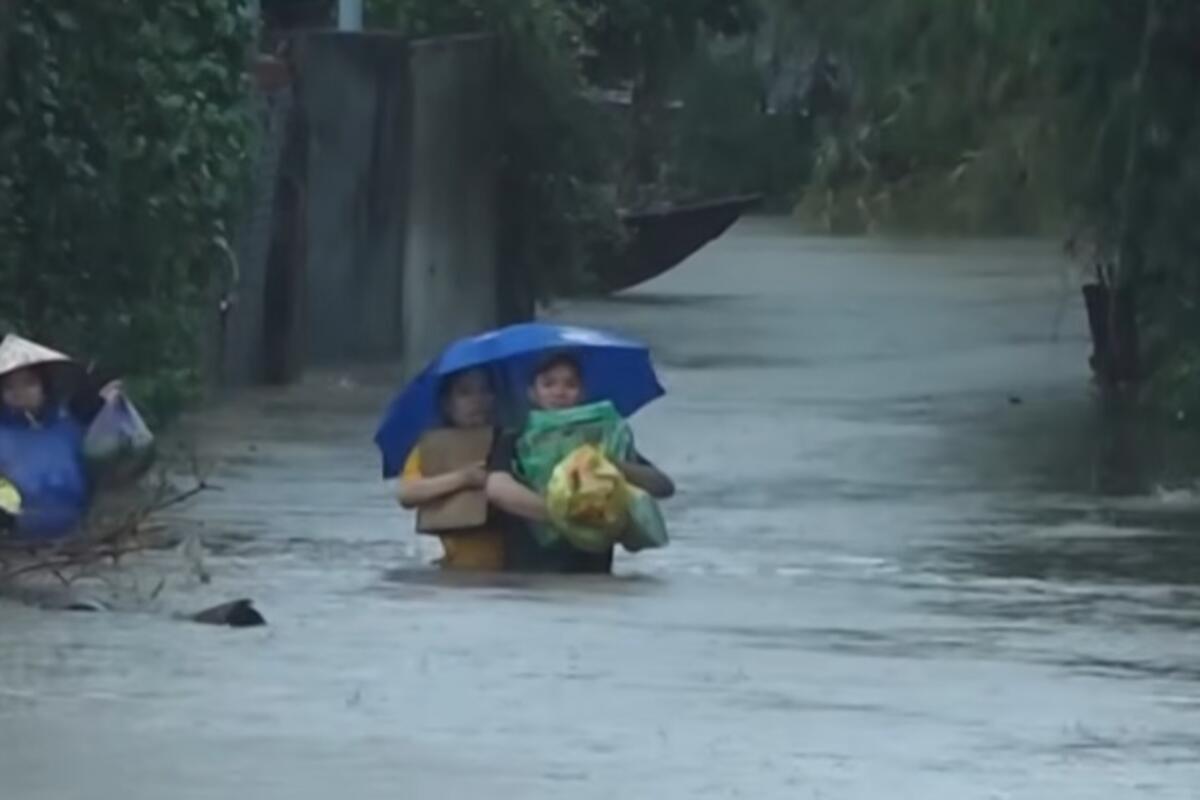
The hardest-hit areas include coastal Hoi An and Nha Trang as well as the central highlands coffee belt, where farmers were already affected by earlier storms. Tens of thousands of residents have been evacuated as authorities respond to landslides, collapsed roads and damaged bridges.

Coastal and highland impacts
The human and agricultural toll centers on both urban coastal tourism hubs and rural coffee-producing highlands. Hoi An and Nha Trang are named among the worst-affected coastal cities. The central highlands coffee belt saw harvests already disrupted by earlier storms, exacerbating economic pressures for farmers.
Landslides damaged major roads and halted traffic in places such as Mimosa Pass. Local media published images of people stranded on rooftops, highlighting immediate life-saving challenges.

Severe weather context
Some reports explicitly note the meteorological context and contributing storms. Vijesti.me links the flooding to two recent typhoons, Kalmaegi and Bualoi, and to other extreme weather.
“Two recent typhoons (Kalmaegi and Bualoi) and other extreme weather have contributed to widespread damage; the government estimates natural disasters caused about $2 billion in damage from January to October.”
Public Radio of Armenia highlights record-breaking rainfall totals, exceeding 1.5 meters over three days and in places surpassing the 1993 flood peak of 5.2 meters. This framing presents the event as part of a sequence of severe weather rather than as an isolated incident.
Media reports on disaster response
Infrastructure and emergency response details differ in specificity. Vijesti.me reports a state of emergency, halted traffic after road collapses at Mimosa Pass, and vivid local media imagery including a suspension bridge ripped from its anchors. Public Radio of Armenia repeats casualty and power-outage figures and references reporting by the BBC.
Both outlets note large-scale evacuations. Ynews.digital contains no content to corroborate operational response or imagery.
News source comparison
Reporting gaps and source limitations are evident. vijesti.me offers the most granular account, including typhoon names, damage estimates, and on‑the‑ground imagery. Public Radio of Armenia corroborates core figures and cites the BBC as an additional source.
“Two recent typhoons (Kalmaegi and Bualoi) and other extreme weather have contributed to widespread damage; the government estimates natural disasters caused about $2 billion in damage from January to October.”
ynews.digital provides no substantive article text and thus contributes no independent reporting. The sources agree on casualty and inundation figures but diverge in context and detail. One outlet supplies vivid local descriptions and economic loss figures while another emphasizes rainfall metrics and external sourcing.