Full Analysis Summary
Pearl Harbor remembrance milestone
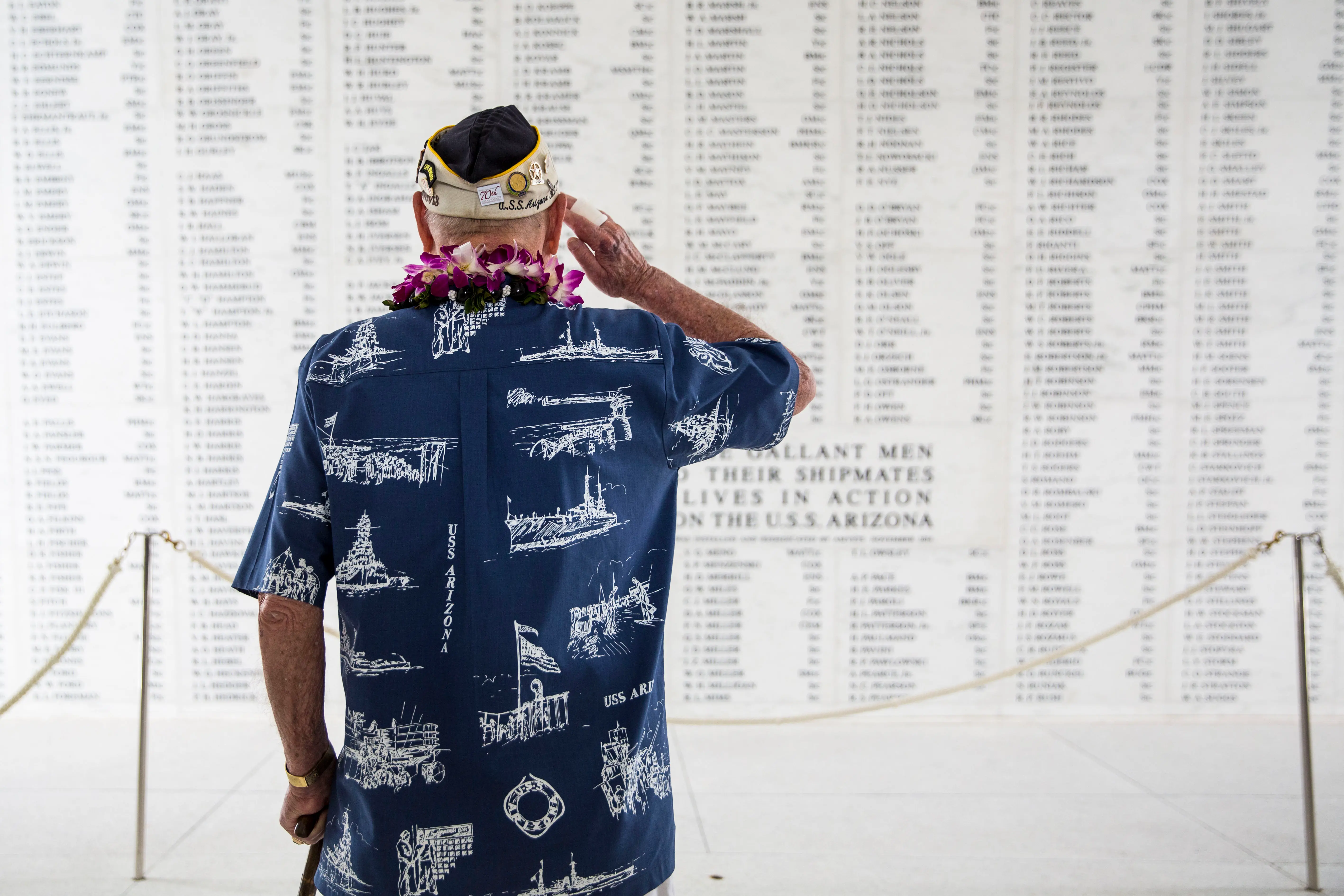
This year’s Pearl Harbor remembrance marked the first time in 84 years that no survivors attended the annual ceremony at the USS Arizona Memorial.
The milestone was reported widely and underscored the final fading of the living generation who witnessed the attack.
Primetimer notes that all remaining survivors are centenarians and that about a dozen were still living, but none were present this year.
The Associated Press recalls that roughly 2,000 survivors attended the 50th‑anniversary ceremony in 1991, highlighting how dramatically attendance has declined over time.
Coverage Differences
Tone and focus
primetimer (Other) foregrounds the human and familial impact of the absence — noting centenarian status, individual illnesses, and family reactions — while Associated Press (Western Mainstream) emphasizes the memorial’s formal rituals and historical continuity (for example the 50th‑anniversary turnout), producing different narrative emphases on the same event. primetimer is reporting personal details such as who fell ill and a family member’s reaction, whereas AP focuses on ceremony elements and historical attendance figures.
Remembrance ceremony at sunken battleship
The ceremony retained solemn military rituals despite the absence of survivors.
The Associated Press described a 'missing man' fighter-jet flyover, wreath-laying, and reciprocal salutes as ships passed over the submerged battleship.
Wreath-laying was once performed by survivors but is now often carried out by active-duty troops, and the memorial sits above the sunken hull from the December 7 attack.
Coverage Differences
Narrative emphasis
Associated Press (Western Mainstream) provides detail on formal commemorative elements — flyovers, wreath-laying by active-duty units, and ship salutes — framing the event as a continuation of ritual even as the living witnesses vanish. primetimer (Other) focuses more on the human story of the dwindling survivor cohort and personal losses, and therefore gives less descriptive space to the ceremonial elements reported in AP.
Personal impact at memorial
The absence at the memorial had a palpable personal resonance.
Primetimer reports family member Kimbeelee Heinrichs saying the lack of survivors 'hurt my heart'.
The report also notes individual circumstances, including Ira 'Ike' Schab's illness.
It also records the recent death of Ken Stevens, who had been 19 during the attack and whose passing was announced by Pacific Historic Parks.
Together, these details illustrate the human toll and suggest the end of a generational presence at the memorial.
Coverage Differences
Tone and human detail
primetimer (Other) uses first-person family reaction and named individuals to convey emotional resonance (“hurt my heart,” Schab’s illness, Stevens’s death announced by Pacific Historic Parks), while Associated Press (Western Mainstream) stays more descriptive about ceremonial aspects and historical attendance figures; the two sources thus offer complementary angles — one intimate and personal, the other institutional and ritual-focused.
Shift in ceremonial roles
AP notes a change in who participates in ritual moments: wreath-laying, once often performed by survivors, is now frequently carried out by active-duty service members.
Primetimer reports that survivor numbers have dwindled — survivors were present at almost every ceremony except 2020 — which helps explain why ceremonial roles have shifted to service members who now help preserve that memory.
Coverage Differences
Missed information vs. explicit detail
Associated Press (Western Mainstream) supplies detail on specific ritual changes (wreath-laying now often done by active-duty troops), an institutional explanation for how remembrance continues; primetimer (Other) supplies demographic and personal details that explain why those changes occurred (survivor ages and illnesses). Each source thus supplies information the other omits or treats less fully.
Memorial continuity and succession
As the living witnesses pass, the memorial's meaning is increasingly carried by institutions and successors.
Primetimer records veteran deaths and illnesses, noting examples such as Ken Stevens’s March 20 death at 102 and Schab’s advancing age and illness.
The Associated Press highlights the continuity of formal commemoration practices—flyovers, salutes, wreaths—suggesting that remembrance will continue even after the last survivor is gone.
Coverage Differences
Narrative conclusion and outlook
primetimer (Other) emphasizes the irreversible human dimension — naming deaths, ages, and personal pride in attendance — whereas Associated Press (Western Mainstream) emphasizes institutional continuity through ceremonial practice; together they present a dual picture of historical closure and maintained ritual remembrance.