USA19 June, 20263 min read
Rep. Bryan Steil Introduces Stop Lawmakers From Predicting Act To Ban Prediction Market Bets
This article is an automated aggregation of coverage from news outlets. Our editorials offer in-depth analysis curated by the NewsCord team.
Ban members of Congress, spouses, and dependent children from wagering on prediction markets. Rep. Bryan Steil introduced the Stop Lawmakers From Predicting Act.
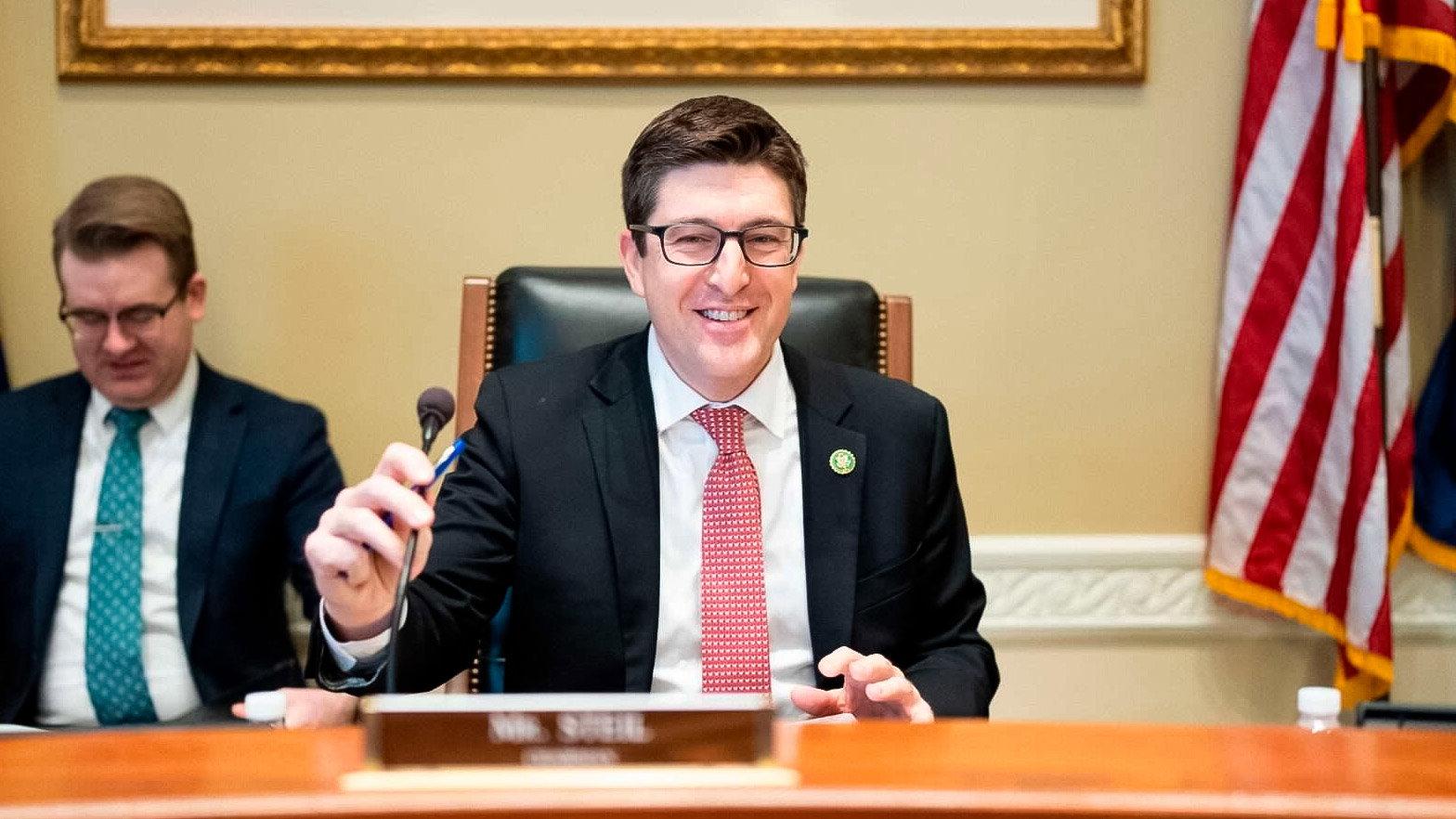
Steil’s prediction markets ban
Rep. Bryan Steil (R-Wis.), chairman of the House Administration Committee, introduced the Stop Lawmakers from Predicting Act on Thursday to bar members of Congress, their spouses, and dependent children from wagering on prediction markets tied to policy outcomes, government actions, or elections.
The bill would prohibit policy wagers while allowing lawmakers and their families to place bets on events outside the political sphere, such as sports, and it would require violators to pay a penalty of $2,000 or 10% of the wager's value, whichever is greater, plus any profit realized from the bet.

Steil said in a statement, "The American people deserve to know their Member of Congress is not profiting off insider information," and he added, "Lawmakers should be writing policy, not wagering on its outcome."
The proposal follows federal scrutiny of platforms including Kalshi and Polymarket, including a Senate ban on member/staff wagering and a House Oversight investigation into the platforms.
The bill is being framed as part of broader efforts to prevent lawmakers from using their positions for personal financial gain, with the measure also building on the committee’s advancement of the Stop Insider Trading Act in January.
Scope and political friction
The legislation would bar House members, their spouses, and dependent children from participating in prediction markets, but it does not extend to congressional staff, even as some lawmakers have already banned their staff from wagering on prediction markets. The bill also does not specifically bar members of the US Congress from using the platforms or making sports bets, but it prohibits policy wagers, according to TradingView’s summary of the measure. In a separate framing, Cointelegraph said Steil’s legislation did not extend to White House officials, including President Donald Trump and Vice President JD Vance, and it described the proposed law as targeting wagers on specific government policies, government actions and "political outcomes."
Yogonet reported that Speaker Mike Johnson (R-La.) said he wants to ensure there is consensus before moving forward, while House Majority Leader Steve Scalise pointed to Steil's legislative effort and said committees exist to "get this right." CNBC reported that the House bill will need Senate passage as well, and it noted that the Senate adopted a rule change earlier this year that bars senators and their staffers from making bets on prediction markets.
Enforcement, penalties, and fallout
Under the Stop Lawmakers from Predicting Act, members found in violation would owe a fine equal to the greater of $2,000 or 10% of the value of the transaction, in addition to any net gains derived from it, and the measure would also prohibit lawmakers from using official office funds or campaign funds to pay penalties. The bill would also allow civil enforcement if lawmakers leave office without paying, with Steil’s office saying those who leave could be referred to the Justice Department for civil enforcement. The push is tied to recent enforcement attention on prediction markets, including the April arrest of Army Master Sergeant Gannon Ken Van Dyke, who was accused of using confidential information to fuel a series of Polymarket bets around the January removal of Venezuelan President Nicolás Maduro, netting over $400,000 in profits.
“If passed by Congress and signed into law by the president, the law could take effect in 180 days after enactment.”
Decrypt reported that Van Dyke pleaded not guilty and that the trial is set for December, while Yogonet added that lawmakers’ concerns reached a new high after federal authorities charged a U.S. soldier with allegedly using confidential information to trade on the capture of then-Venezuelan leader Nicolás Maduro on Polymarket. As Congress weighs the measure, Cointelegraph said the proposed law could take effect in 180 days after enactment, and it described ongoing legal fights over whether event contracts are regulated as "swaps" and not bets under the Commodity Exchange Act.