Report Says Iran Holds 11 Tons of Uranium Enough for Up to 100 Nuclear Weapons
Key Takeaways
- Iran holds about 11 tons of uranium at varying enrichment levels.
- If further processed, the stockpile could produce up to 100 nuclear weapons.
- According to NYT report, concern centers on Iran's overall reserves, not just its enriched material.
Uranium stockpile and weapons
International inspectors estimate that Iran holds about 11 tons of uranium at varying enrichment levels, a stockpile that—if further processed—could be sufficient to produce up to 100 nuclear weapons, according to a report by The New York Times cited by ynetnews.
“International inspectors estimate that Iran now holds about 11 tons of uranium at varying enrichment levels — a stockpile that, if further processed, could be sufficient to produce up to 100 nuclear weapons, according to a report by The New York Times”
The report frames the scale of Iran’s overall reserves, rather than only its most highly enriched material, as a central concern as nuclear negotiations resume.

It says that while a smaller portion of the stockpile is enriched close to weapons-grade, lower-enriched uranium can be further refined, making total volume a key factor in assessing nuclear capability.
The New York Times report also says the current stockpile represents a sharp increase from the period under the 2015 nuclear agreement, when Iran reduced its uranium holdings by about 97 percent and accepted strict limits on both enrichment levels and total volume.
It adds that at that time, the remaining material was not sufficient for a single nuclear device.
The expansion followed the U.S. withdrawal from the agreement in 2018 and the reimposition of sanctions, and since then Iran has increased both the quantity of uranium it possesses and the levels to which it enriches it.
The report notes that estimates of how many weapons could be produced from the stockpile vary widely, with some specialists assessing it could yield several dozen warheads while others say the potential could be significantly higher depending on Iran’s technical capacity to complete enrichment and weaponization.
Negotiations after strikes
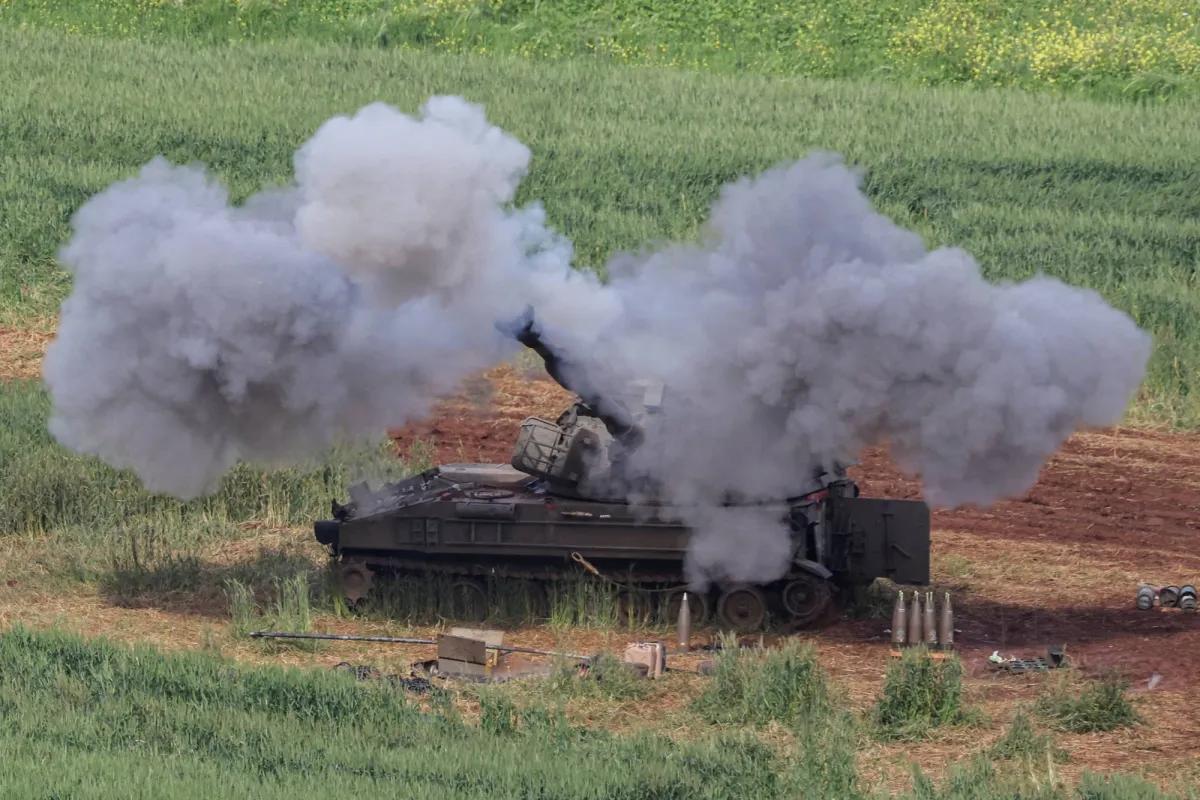
The dispute over Iran’s nuclear capacity is unfolding alongside a broader effort to end a war that Reuters says erupted when the United States and Israel carried out air strikes on Iran on February 28.
In the account published by الشرق الأوسط, the United States, Israel, and Iran are described as taking tough stances on ending the war that has “ignited the Middle East and threatens the global economy by cutting energy supplies that pass through the Strait of Hormuz from the Gulf region.”
The same Reuters-based report says U.S. President Donald Trump presented a 15-point plan to Iran via Pakistan, while the plan was not published and the U.S. administration refused to disclose its details, saying that some media reports about its contents were inaccurate.
It says three Israeli government sources said the plan includes eliminating Iran’s stockpiles of highly enriched uranium, ending Iran’s uranium enrichment program, imposing restrictions on Iran’s ballistic missile program, and ending Iran’s support for its regional allies such as Hezbollah.
The White House said the United States would strike Iran “with unprecedented force” if Tehran does not accept the proposal, and Reuters-informed sources said it is expected that Washington will send thousands of additional troops to the Middle East.
On Iran’s side, a senior Iranian official told Reuters that Tehran’s response to the American proposals is not “positive,” but that they are still studying them.
The report also says Iran’s Foreign Minister Mohammad Javad Zarif told Reuters that Tehran does not negotiate with the United States, but messages are being exchanged via intermediaries.
Iranian demands and escalation
The Reuters account in الشرق الأوسط describes Iran’s demands as both territorial and procedural, while also warning of potential escalation if a cease-fire is not reached.
“The United States, Israel, and Iran have taken tough stances on ending the war that has ignited the Middle East and threatens the global economy by cutting energy supplies that pass through the Strait of Hormuz from the Gulf region”
It says Press TV quoted an official on Wednesday as saying that Tehran demands recognition of its sovereignty over the Strait of Hormuz as its “natural and legal right.”
The report also says six sources familiar with Tehran’s stance told Reuters that Tehran has informed the mediators that Israel's war on Lebanon should be included in any cease-fire agreement.
It adds that Iran warned it could escalate if a cease-fire is not reached, saying it could take measures to close another major sea route, the Red Sea and the Bab el-Mandeb Strait, which provides an alternative route for exporting part of the oil.
The same section says Iran also said it has obtained intelligence indicating that the United States plans to occupy an Iranian island.
In parallel, the report says Iran’s Foreign Minister Mohammad Javad Zarif said Tehran does not negotiate with the United States, but messages are being exchanged via intermediaries, and that Iran demands a permanent end to the war and compensation for damages.
The account further states that a senior Iranian official told Reuters that Tehran’s response to the American proposals to end the war is not “positive,” but that they are still studying them.
Israel’s conditions and targets
The same Reuters-based report in الشرق الأوسط lays out Israel’s concerns and stated operational priorities as negotiations proceed.
It says a senior defense official told Reuters that Israel doubts that Iran will agree to U.S. terms, but is also concerned that Trump will make concessions.
A second official is quoted as saying Israel wants any agreement to preserve its option to launch preemptive strikes.
The report then quotes the Israeli military spokesperson, on Thursday, saying that the mission at the moment is to continue destroying Iran's military capabilities, and that Israel has “many remaining targets.”
These statements are presented alongside the earlier description of U.S. and Israeli air strikes on Iran on February 28, which the report says triggered the war.
The report also ties Israel’s stance to the U.S. plan’s elements, including restrictions on Iran’s ballistic missile program and ending Iran’s support for regional allies such as Hezbollah, as described by three Israeli government sources.
By emphasizing preemptive-strike options and continuing destruction of military capabilities, the account portrays Israel as seeking flexibility even while cease-fire discussions are underway.
What’s at stake next
Across the two strands of reporting—nuclear stockpile estimates and cease-fire terms—the sources depict a negotiation process with high stakes for monitoring, enrichment limits, and regional shipping.
“International inspectors estimate that Iran now holds about 11 tons of uranium at varying enrichment levels — a stockpile that, if further processed, could be sufficient to produce up to 100 nuclear weapons, according to a report by The New York Times”
The uranium reporting says the status of Iran’s uranium stockpile is expected to be a central issue as negotiations move forward, with potential measures including stricter oversight, limits on enrichment, and steps to reduce or remove existing reserves.
It also notes that the location of much of the uranium remains uncertain, with some believed to be stored in underground or fortified facilities, complicating monitoring efforts.
In the war-termination account, the United States is described as threatening to strike Iran “with unprecedented force” if Tehran does not accept the proposal, while Reuters-informed sources say Washington is expected to send thousands of additional troops to the Middle East.
Iran’s position, as described by Reuters and Press TV, includes demands for a permanent end to the war and compensation for damages, plus recognition of its sovereignty over the Strait of Hormuz as its “natural and legal right.”
The report also says Iran has warned it could take measures to close the Red Sea and the Bab el-Mandeb Strait if a cease-fire is not reached, and that it has intelligence indicating the United States plans to occupy an Iranian island.
Israel’s stance, as quoted by Reuters, includes preserving the option to launch preemptive strikes and continuing to destroy Iran’s military capabilities, with the spokesperson saying Israel has “many remaining targets.”
More on Iran
Iran’s Foreign Minister Abbas Araghchi Arrives in Islamabad as Trump Cancels US Envoys
15 sources compared

Netanyahu Orders IDF To Vigorously Strike Hezbollah Targets In Lebanon
17 sources compared

Iranian Foreign Minister Abbas Araghchi Meets Oman’s Sultan Haitham bin Tariq in Muscat
14 sources compared

Iran FM Abbas Araghchi Meets Pakistan PM Shehbaz Sharif as Trump Cancels Envoys
127 sources compared