USA17 February, 20262 min read
Rev. Jesse Jackson, Civil Rights Titan and Two-Time Presidential Candidate, Dies at 84
This article is an automated aggregation of coverage from news outlets. Our editorials offer in-depth analysis curated by the NewsCord team.
Died Feb. 17, 2026, at age 84 at his Chicago home, surrounded by family Longtime civil‑rights leader and protégé of Martin Luther King Jr.

74 outlets told this the same way.
Outlets did split on Trump Interrupted by Protesters at San Antonio Rally for Ken Paxton →
Rev. Jesse L. Jackson's death
Rev. Jesse L. Jackson died on Feb. 17, 2026, at age 84, the family said.
“They said he ‘died peacefully’; no cause of death was disclosed.”
Numerous outlets reported that he 'died peacefully' at his Chicago home surrounded by family.
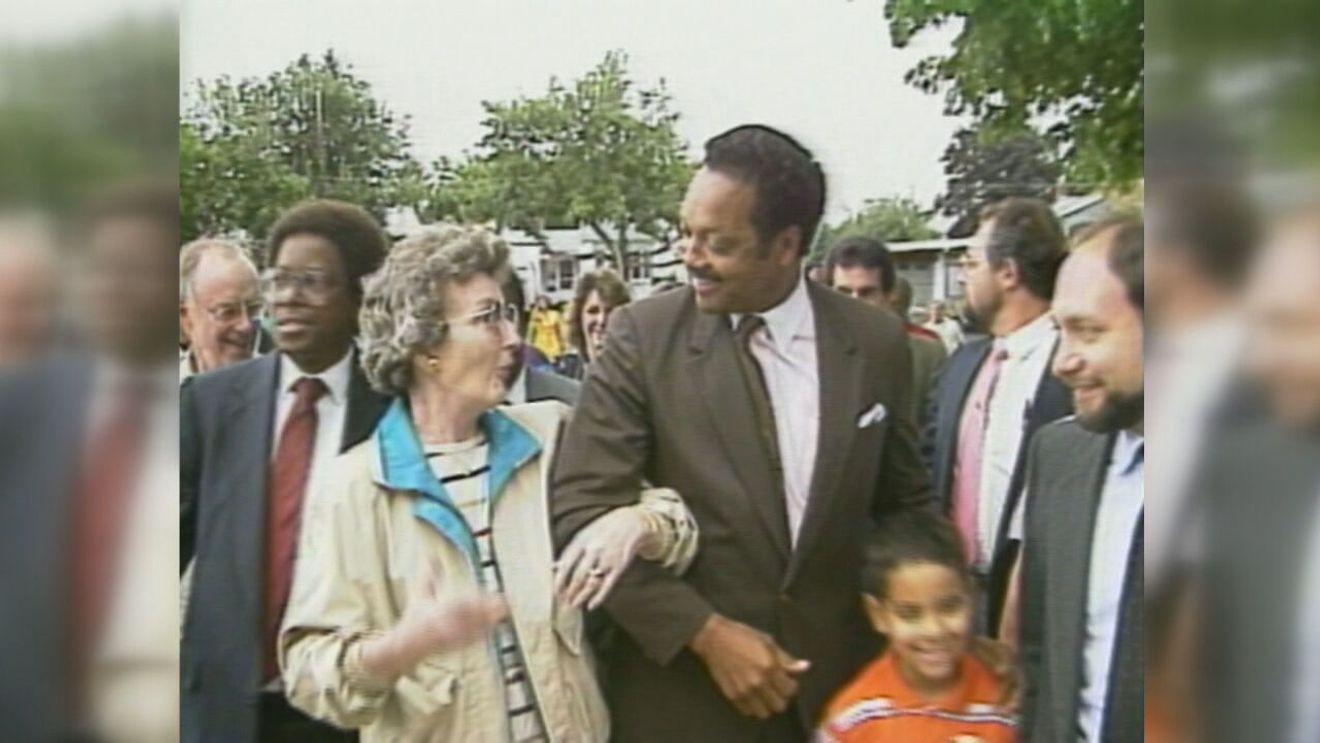
Time Magazine noted his family asked that he be honored by continuing the fight for justice and that he 'died peacefully'; CBS News wrote he 'died at 84, peacefully Tuesday morning surrounded by family, his family said,' and WBIW reported that 'His family said he died peacefully at his Chicago home, surrounded by loved ones.'
Jackson's civil-rights legacy
Jackson’s life was recounted across outlets as a throughline from the civil‑rights movement into national politics. He was described as a protégé of Martin Luther King Jr. and said to have worked in the Southern Christian Leadership Conference.
Outlets noted he led Operation Breadbasket in Chicago and founded Operation PUSH in 1971, later known as Rainbow/PUSH. The Guardian summarized him as "a prominent civil‑rights leader and protégé of Martin Luther King Jr.," EWTN noted he "founded Operation PUSH (now Rainbow/PUSH) in 1971," and Time traced PUSH’s name as "People United to Save Humanity (PUSH) in 1971 (later the Rainbow PUSH Coalition)."
Jackson's presidential bids
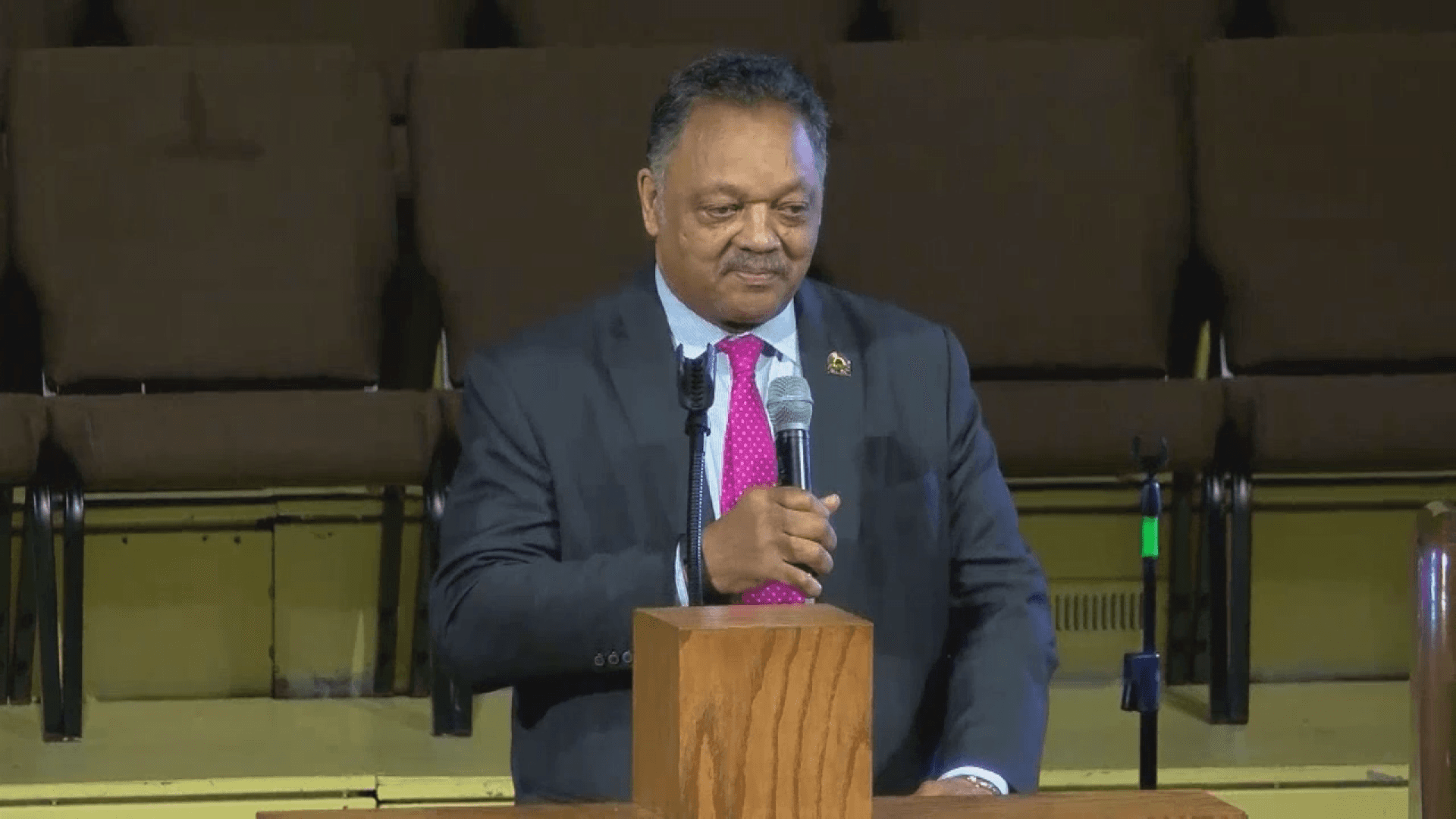
Jackson’s two presidential bids (1984 and 1988) and party-building work were widely described as transformative for Black political participation. The outlets differ on the campaign metrics they report. Rural Radio Network emphasized his 1988 achievements, saying he won "12 primaries/caucuses and about 6.9 million votes".
“Launched two presidential bids (1984 and 1988), winning 12 primaries/caucuses and about 6.9 million votes; his 1988 run was the most successful nationwide Black candidacy until Barack Obama.”
CBC and other outlets reported different counts, with CBC writing he ran "winning 15 primary contests across those runs and about 12% of the white vote in 1988". A number of outlets credit his campaigns with creating space for later leaders such as Barack Obama and with registering and mobilizing millions of voters (AARP, CBC, PBS-style outlets).
Controversies and scandals
Jackson’s career included well‑reported controversies and personal scandals that many obituaries recount alongside his achievements. Those controversies include the 1984 "Hymietown" antisemitic slur (for which he later apologized), off‑mic criticisms in 2008, and a public admission of an extramarital child with related media scrutiny of payments to a former employee. WRAL and Religion Unplugged note the 1984 slur and later apology, while jewishbreakingnews and other outlets detail the acknowledged extramarital child and reporting about payments and governance reviews, often noting that no criminal charges followed those reports.
Jackson's late-life health and tributes
In his later years Jackson faced serious health challenges and gradually reduced his public role but continued to be publicly honored. Multiple outlets report a public Parkinson’s disclosure in 2017 and an updated diagnosis of progressive supranuclear palsy. WHDH summarized that he disclosed Parkinson’s in 2017 and "was diagnosed this year with progressive supranuclear palsy."
“In recent years he battled serious neurological illness — disclosing Parkinson’s in 2017 and being diagnosed this year with progressive supranuclear palsy, which eventually left him unable to speak — and stepped down as Rainbow/PUSH president in July 2023.”
AARP described his long battle with the rare brain disorder. Time noted he had "been living with Progressive Supranuclear Palsy for more than a decade." Tributes poured in across the political spectrum.
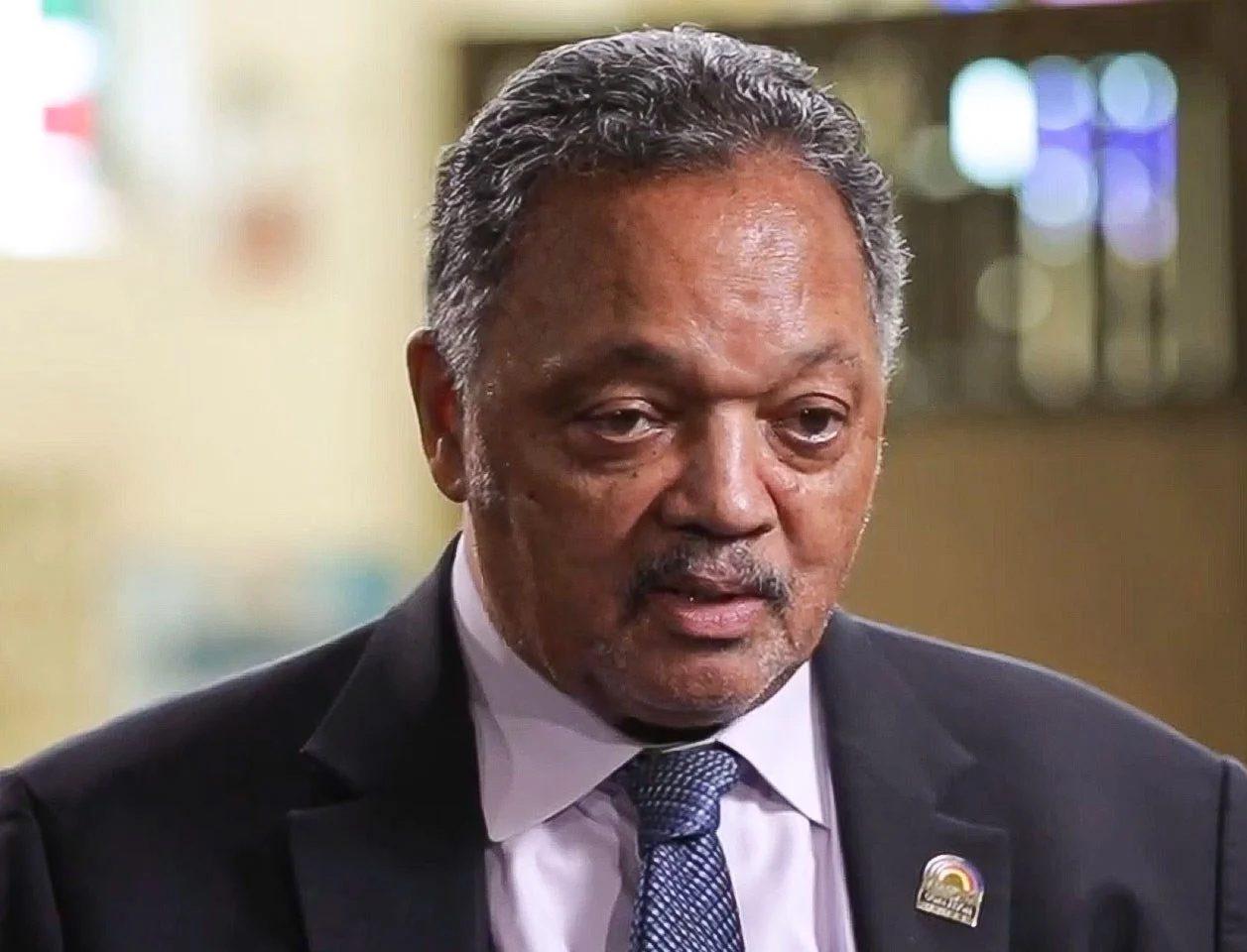
BBC and Time collected reactions from former presidents, international leaders and civil‑rights figures. MyNewsLA and other outlets quoted leaders such as Vice President Kamala Harris calling Jackson "one of America’s greatest patriots."