Full Analysis Summary
Fire Horse 2026 Coverage
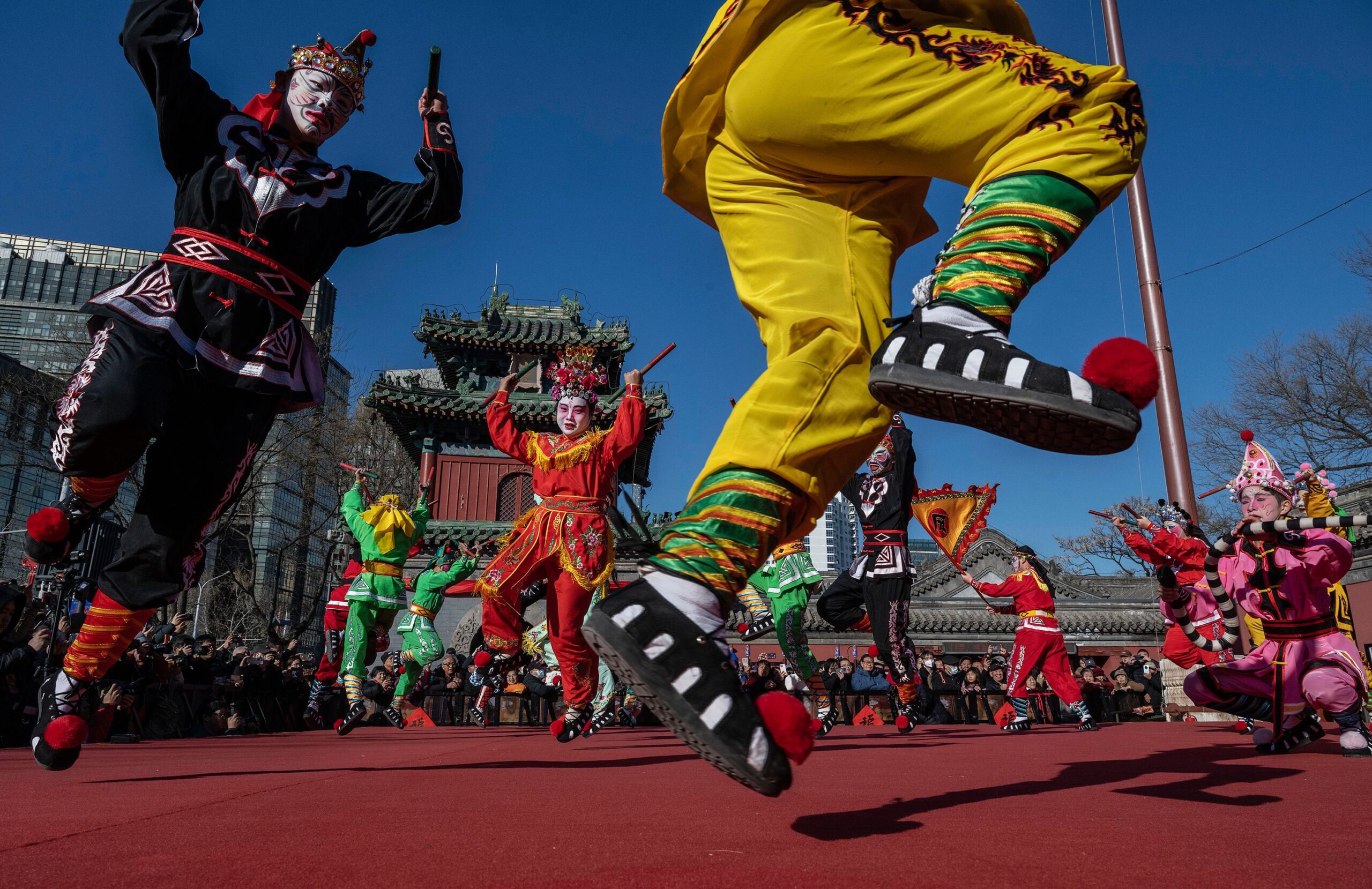
As cities, stages and living rooms marked the arrival of the Year of the Horse — 2026’s Fire Horse — celebrations blended traditional rituals, modern pageantry and internet-driven quirks, with coverage highlighting both enduring customs and viral moments.
CNN framed the coverage as noting “the arrival of the Year of the Horse (2026’s Fire Horse) and the mix of pageantry, quirks and reflection,” and emphasized a practical guide to “origins, why people wear red, customary do’s and don’ts” along with the shared hope for luck and prosperity.
KQ2’s brief roundup captured the same mix of tradition and novelty by listing the viral highlights of the holiday — from kung-fu robots to a missewn plush — and observed that the festival “remains the world’s largest annual homecoming.”
Together, the pieces show a holiday that is at once ceremonial and distinctly of the social-media era.
Coverage Differences
Tone
CNN (Western Mainstream) emphasizes broad context, rituals and the shared hope for prosperity, reporting on zodiac and feng shui predictions and a practical holiday guide, while KQ2 (Local Western) offers a concise, viral‑story roundup that spotlights quirky items and viral moments rather than deep cultural context. CNN reports “zodiac and feng shui predictions for 2026” and a “practical guide to the holiday,” whereas KQ2 lists viral items and notes the festival “remains the world’s largest annual homecoming.”
Robots on New Year shows
One of the vivid modern spectacles was the kung-fu–performing humanoid robots that stole attention on televised New Year programming.
KQ2 explicitly says the machines "stole the show on China’s Spring Festival Gala," underlining how high-profile broadcasts are leaning into tech spectacles.
CNN also included the robots in its roundup, noting "Kung Fu robots" among the mix of pageantry and quirks, but placed them within a broader set of stories about customs, predictions and celebrity gags rather than as a standalone viral headline.
Coverage Differences
Narrative Framing
KQ2 (Local Western) foregrounds the robots as a headline‑worthy viral spectacle—saying they “stole the show”—while CNN (Western Mainstream) treats them as one notable element among many, bundling them with other cultural oddities like a Harry Potter gag and zodiac coverage. KQ2 quotes directly that the robots “stole the show on China’s Spring Festival Gala,” whereas CNN lists “Kung Fu robots and a Harry Potter‑related gag” as part of its roundup.
Coverage of Harry Potter gag
Playful pop-culture touches punctuated traditional observances, with a Harry Potter-themed gag appearing in both outlets' coverage but with different levels of detail.
CNN referenced a 'Harry Potter-related gag' as part of its roundup of pageantry and quirk.
KQ2 specified that 'posters with the smirking face of Harry Potter's Draco Malfoy unexpectedly became a New Year decoration,' giving a concrete viral image that circulated online.
The contrast shows CNN's broader summarizing approach versus KQ2's taste for specific viral artifacts.
Coverage Differences
Missed Information
CNN (Western Mainstream) reports a Harry Potter‑related gag but doesn’t detail the specific image; KQ2 (Local Western) provides the exact viral motif—Draco Malfoy posters—reporting that they “unexpectedly became a New Year decoration.” Thus KQ2 supplies a concrete example that CNN describes more generally.
Media coverage of holiday traditions
CNN’s coverage moved beyond spectacles and memes to seasonal customs, superstitions and practical advice, running zodiac and feng shui predictions, a practical guide to the holiday (origins, why people wear red, customary do’s and don’ts), and playful celebrity fortune readings featuring Timothée Chalamet, Margot Robbie, Donald Trump and NY Mayor Zohran Mamdani.
KQ2’s brief roundup omitted those traditions and celebrity readings and instead highlighted material culture and viral items, underscoring CNN’s effort to contextualize modern celebrations within longstanding practices and contemporary personalities.
Coverage Differences
Unique Coverage
CNN (Western Mainstream) includes substantive cultural context (zodiac, feng shui, a practical guide and celebrity fortune readings), while KQ2 (Local Western) focuses on viral objects and spectacle and omits those contextual pieces. CNN reports “zodiac and feng shui predictions for 2026” and names several celebrities in fortune readings; KQ2 lists viral items like the plush toy and Adidas jacket without such cultural explanation.
Festival fashion and virality
The social-media age of the holiday was visible in the viral merchandise and fashion hits that accompanied reporting.
KQ2 cataloged a failed plush that became endearing ("a red plush 'Year of the Horse' toy went viral because a sewing error gave it a sad, downturned mouth"), and noted "an Adidas jacket styled after historical Chinese clothing has become a Gen Z fashion hit."
CNN likewise referenced viral items and pageantry in its roundup, using them to illustrate broader observations about superstition, luck and communal rituals.
Together the sources portray a festival where centuries-old customs and online virality coexist.
Coverage Differences
Focus
KQ2 (Local Western) devotes more space to specific viral objects and fashion trends—detailing the missewn plush and the Adidas jacket—while CNN (Western Mainstream) places such items within a wider survey of customs, superstitions and public hopes for prosperity, emphasizing shared ritual meaning as much as novelty.