Iran20 February, 20262 min read
Revolutionary Court in Tehran Sentences Seven Protesters to Death After Accusing Them of Setting Fire to Basij Base
This article is an automated aggregation of coverage from news outlets. Our editorials offer in-depth analysis curated by the NewsCord team.
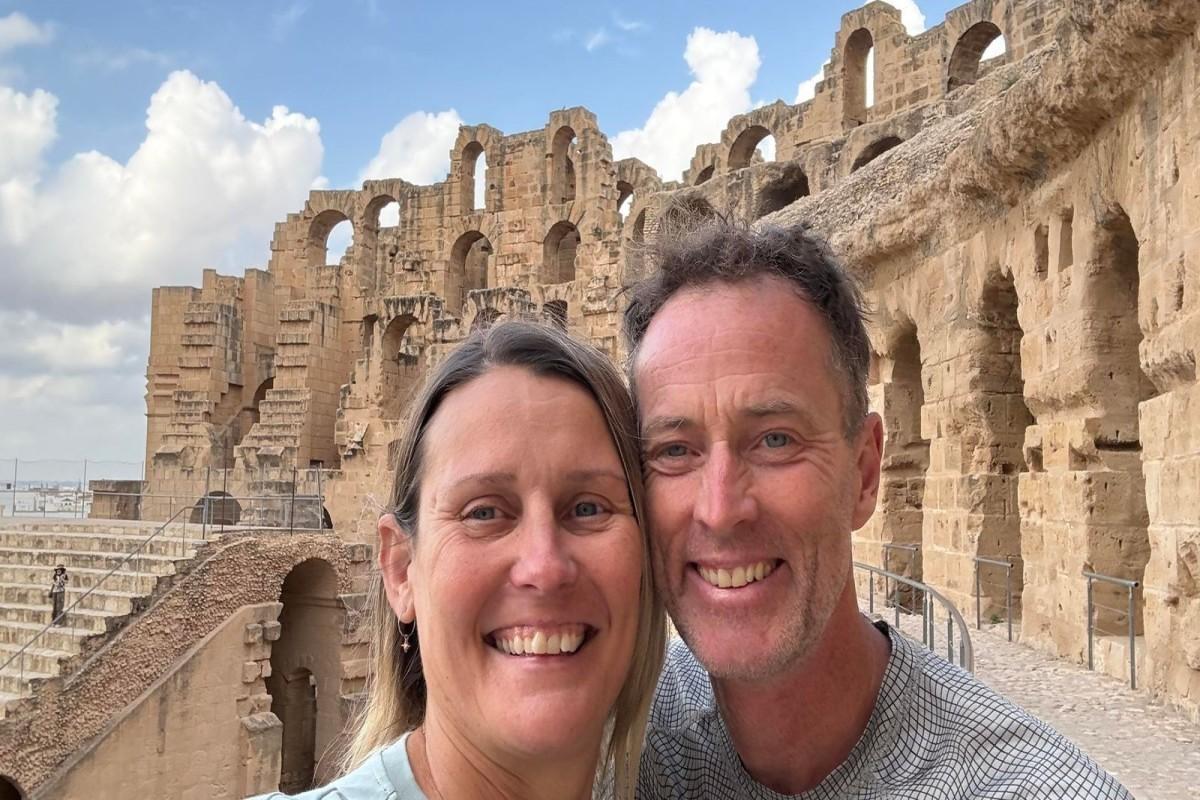
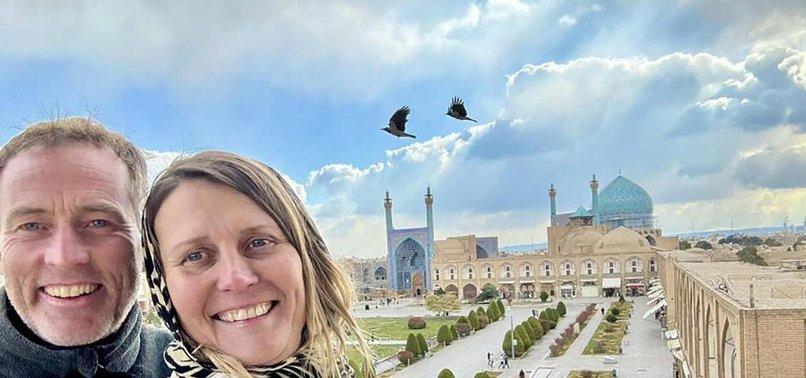
Lindsay and Craig Foreman sentenced to 10 years in prison in Iran for espionage They were arrested in January 2025 while travelling on a round-the-world motorcycle trip

31 outlets told this the same way.
Verification of source claims
I cannot find any of the provided sources that specifically report a Revolutionary Court in Tehran sentencing seven protesters to death for allegedly setting fire to a Basij base. The available articles focus largely on other judicial cases, notably those involving foreign detainees, broader protest dynamics inside Iran, and international reactions. None of the snippets explicitly describe a seven‑person death sentence tied to a Basij base arson.
“A British couple, Lindsay and Craig Foreman, have been sentenced to 10 years in jail by an Iranian court on espionage charges, their family announced on 19 February 2026.”
Because the sources you provided do not contain that specific event, I will not invent factual details. I will instead summarize related reporting about Iran’s courts, protest repression, and media coverage patterns drawn from the supplied material.
Scrutiny of Iranian trials
The supplied reporting depicts Iran’s Revolutionary Courts and specific judges as central to politically sensitive trials. Several articles about other cases, notably trials of foreign nationals, highlight Branch 15 in Tehran and Judge Abolghasem Salavati.
Those pieces report sanctions and characterize the trials as lacking due process. The coverage portrays a pattern, according to these sources, of brief hearings, restricted defence rights, and international concern about trials in Iran’s security courts.
Protest context and impact
The broader protest context in the supplied material describes sustained, decentralized unrest and significant state repression. Iran International's analysts said the protests shifted from single 'mega-triggers' to recurring localized 'minor triggers', which strains security forces and erodes regime control.
“Joe Bennett (son of Lindsay Foreman) said a couple was 'sentenced to 10 years following a trial that lasted just three hours and in which they were not allowed to present a defence.'”
Other pieces note activists' claims of large numbers killed and that the unrest is connected to economic and ideological grievances. These sources present a picture of protracted domestic turbulence that shapes how courts and security forces are depicted.
Differences in media coverage
Coverage among the provided sources shows clear differences in focus and tone. Western mainstream and local outlets (France 24, ITVX, The Independent, Ledbury Reporter) foreground diplomatic condemnation, family statements and consular efforts around foreign detainees. Tabloid and local pieces (Daily Mail, The Mirror, The Sun, Ledbury Reporter) highlight visceral prison conditions and family distress.
Other outlets (Iran International) emphasise systemic political analysis of unrest. None of these sources, however, supply the claimed seven death sentences tied to a Basij base arson. Reporting therefore remains fragmented across issue areas rather than converging on that single allegation.

Unable to substantiate claim
Conclusion: based on the supplied sources I cannot substantiate the specific claim that Tehran’s Revolutionary Court sentenced seven protesters to death for setting fire to a Basij base. The material does, however, document patterns relevant to such an allegation — criticism of Revolutionary Courts and specific judges, reports of harsh prison conditions and restricted legal rights, and a backdrop of decentralized protests and heavy repression. If you can provide the specific article(s) that mention the seven death sentences or the Basij base incident, I can summarise and compare those directly against the sources already provided.
“A British couple, Lindsay and Craig Foreman, have been sentenced to 10 years in jail by an Iranian court on espionage charges, their family announced on 19 February 2026.”