USA05 October, 20252 min read
Right-Wing Conservatives Attack ADL for Labeling Charlie Kirk’s Group Extremist
FBI ended partnerships with SPLC and ADL citing political bias and partisan activism. ADL labeled Charlie Kirk’s group Turning Point USA as extremist, sparking conservative backlash.

19 outlets told this the same way.
Outlets did split on Trump Interrupted by Protesters at San Antonio Rally for Ken Paxton →
Controversy Over ADL's Listing
The Anti-Defamation League (ADL), a prominent Jewish advocacy group, has faced criticism from right-wing conservatives for including Turning Point USA (TPUSA) in its "Glossary of Extremism and Hate." TPUSA, founded by the recently assassinated conservative figure Charlie Kirk, was not labeled as an extremist group but was noted for instances of racist or bigoted remarks by its leadership and affiliates.
“Although Turning Point USA was not labeled an extremist group, the ADL documented instances of racist or bigoted remarks by its leadership and affiliates.”
This inclusion sparked significant backlash, particularly from conservative circles, who view the ADL's actions as part of a broader liberal agenda. The ADL's CEO, Jonathan Greenblatt, has been accused of using claims of anti-Semitism to target critics of liberal policies, linking right-wing populism with hate speech.
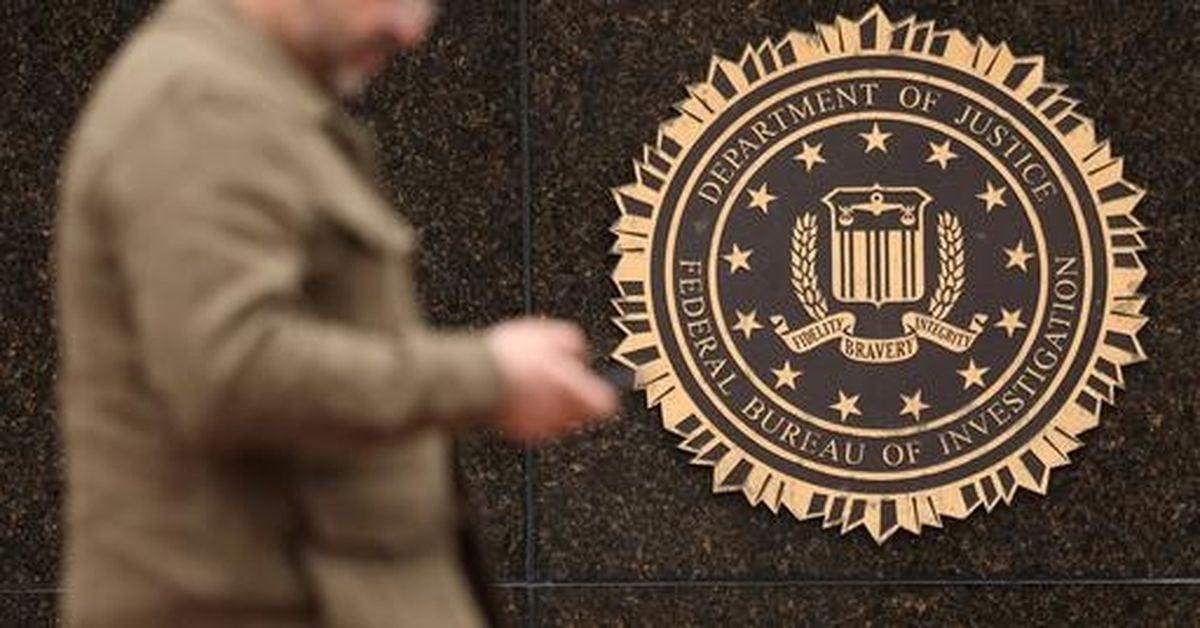
ADL Controversy and Criticism
The controversy intensified when FBI Director Kash Patel announced that the bureau would sever ties with the ADL, accusing it of spying on Americans. This decision was influenced by pressure from figures like Elon Musk, who publicly called the ADL a "hate group" on social media.
The ADL's removal of the glossary from its website did little to quell the criticism, as conservative voices continued to accuse the organization of bias and politicization. The ADL's stance on linking anti-Zionism with anti-Semitism, including its support for the IHRA definition of anti-Semitism, has also been a point of contention, further fueling the backlash from conservative groups.

Political Violence and Reactions
The assassination of Charlie Kirk, a prominent conservative activist, has further complicated the situation. Kirk was killed by Tyler Robinson, who allegedly acted alone due to Kirk's supposed "hatred." This incident has raised concerns about political violence in the U.S., with heightened rhetoric from figures like former President Donald Trump against the "radical left."
“The Southern Poverty Law Center (SPLC) reaffirmed its dedication to combating hate and extremism after the assassination of Kirk at a Utah college by Tyler Robinson, who allegedly acted alone due to Kirk's supposed ‘hatred.’”
The SPLC, which had also labeled TPUSA as extremist, faced similar backlash, with accusations that its "hate map" incited violence. The FBI's decision to end its partnership with both the ADL and SPLC reflects a broader conservative distrust of these organizations, which are accused of defaming mainstream Americans and inspiring violence.
Debate on Hate and Extremism
The broader implications of this controversy touch on the national debate over defining hate and combating extremism. The SPLC and ADL, both historically significant in civil rights advocacy, are now at the center of a polarized political landscape. Critics argue that these organizations have strayed from their original missions, becoming politicized entities that target conservative and religious groups.
This has led to calls for investigations and a reevaluation of how hate and extremism are defined and addressed in the U.S. The FBI's decision to cut ties with these groups underscores the growing distrust and the challenges of maintaining nonpartisan approaches in a divided society.