
Ring CEO Jamie Siminoff Faces Intense Scrutiny After Super Bowl Ad Promotes AI Doorbell Surveillance
Key Takeaways
- Super Bowl ad announced Search Party, AI using Ring doorbell footage to find lost pets
- The ad triggered a fierce privacy backlash and industry-wide debate
- CEO Jamie Siminoff has been publicly defending Search Party, but his answers raised more questions
Ring ad privacy controversy
Ring CEO Jamie Siminoff faced intense public scrutiny after a Super Bowl ad promoting new AI-enabled Ring features.
“Ring’s first Super Bowl ad was meant to be a feel-good debut for Search Party, a new AI feature that helps neighbors find missing pets using doorbell footage”
TechCrunch reports the ad and Ring’s recent rollout of features such as "Search Party," "Fire Watch," and "Community Requests" sparked controversy because Siminoff framed these tools as an unquestioned social good while critics warned they expand surveillance and ease law-enforcement access to private video.
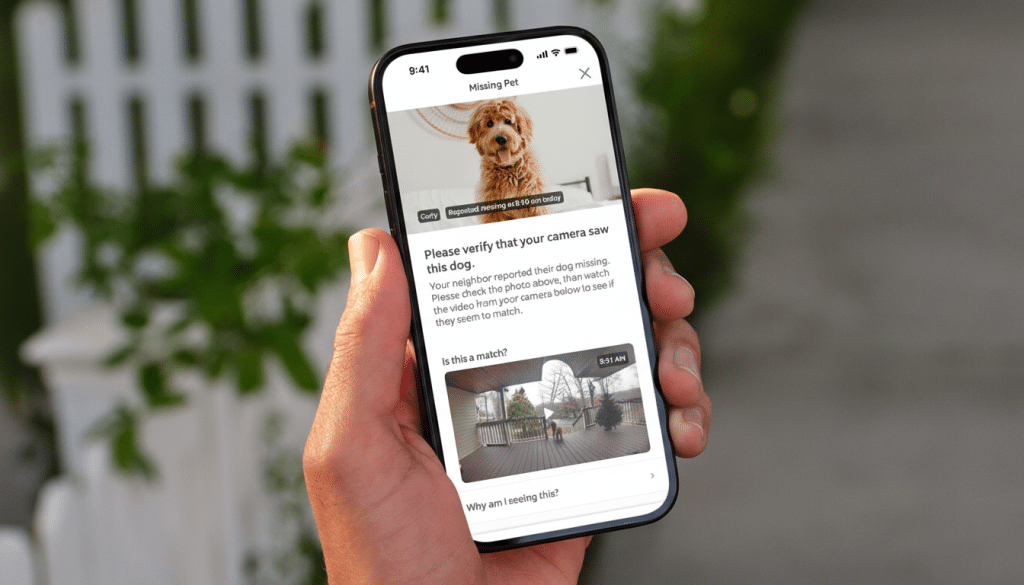
FindArticles adds the controversy exposed broader tensions about Ring’s privacy posture, especially as the company markets AI-driven conveniences that privacy modes appear to disable, undermining trust.
Ring privacy and partnerships
Observers and privacy advocates have singled out specific Ring features and partnerships as especially worrying.
Both TechCrunch and FindArticles highlight the relaunch of Community Requests in partnership with Axon - a company known for body cameras and evidence platforms - as a flashpoint, with clips shared via that program potentially becoming accessible to authorities.
FindArticles also documents law-enforcement integration concerns more broadly, noting clips shared with police can be subject to subpoenas or interagency sharing and that Ring previously cut ties with license-plate vendor Flock Safety after backlash.
Ring privacy toggle tradeoffs
Critics focused on the product tradeoffs embedded in Ring’s new privacy toggle, which FindArticles describes as effectively forcing users to choose between privacy and functionality.
“Ring’s first Super Bowl ad was meant to be a feel-good debut for Search Party, a new AI feature that helps neighbors find missing pets using doorbell footage”
Activating the toggle disables multi‑user sharing, rich notifications, AI search/descriptions, continuous recording, and Familiar Faces recognition.
That apparent tradeoff fuels skepticism about Ring’s privacy claims, especially given company statements that Amazon does not access facial data “now” but leaves open future integrations, a point FindArticles says erodes trust.
Biometrics and bystander privacy
Technical and legal concerns about biometrics and bystander privacy were also emphasized.
FindArticles highlights Familiar Faces facial recognition - which lets households tag up to 50 frequent visitors - as raising consent and biometric-privacy issues because passersby at a doorstep don't give explicit consent and some states have strict biometric laws.
TechCrunch documents how these technical choices interact with real-world policing and public unease, citing towns that cut ties with Flock and investigations into law-enforcement use of collected footage.
Ring security and policy fixes
Analysts and the reporting recommend policy and product fixes to restore trust as Ring expands beyond doorbells into enterprise and other security products.
“Ring’s first Super Bowl ad was meant to be a feel-good debut for Search Party, a new AI feature that helps neighbors find missing pets using doorbell footage”
FindArticles argues that design decisions are de facto policy choices affecting communities and urges stronger safeguards, including default end-to-end encryption that preserves core features, clear bans on law-enforcement access without warrants, audited deletion timelines, and bystander-centered face-recognition controls.
Those warnings mirror TechCrunch's depiction of widespread public anxiety about government access and surveillance.
More on Technology and Science

Chemical odor forces FAA to halt flights across DC-area airports
27 sources compared

Apple Cuts China App Store Commissions to 25% After Regulator Pressure
25 sources compared

FBI Investigates Hacker Who Uploaded Malware-Laced Games to Steam
12 sources compared

University of Cambridge Researchers Urge Tighter Regulation Of AI Talking Toys For Under-Fives
10 sources compared