Britain03 January, 20262 min read
Rogue Wave Kills Mother and 15-Year-Old Daughter at Withernsea; 67-Year-Old Rescuer Drowns Trying to Save Them
Sarah Keeling, 45, was recovered dead from the sea off Withernsea. Grace Keeling, 15, remains missing after being swept out to sea.
14 outlets told this the same way.
Outlets did split on UK Police Charge Teddy Young With Spying For Foreign Power, Royal Navy Member →
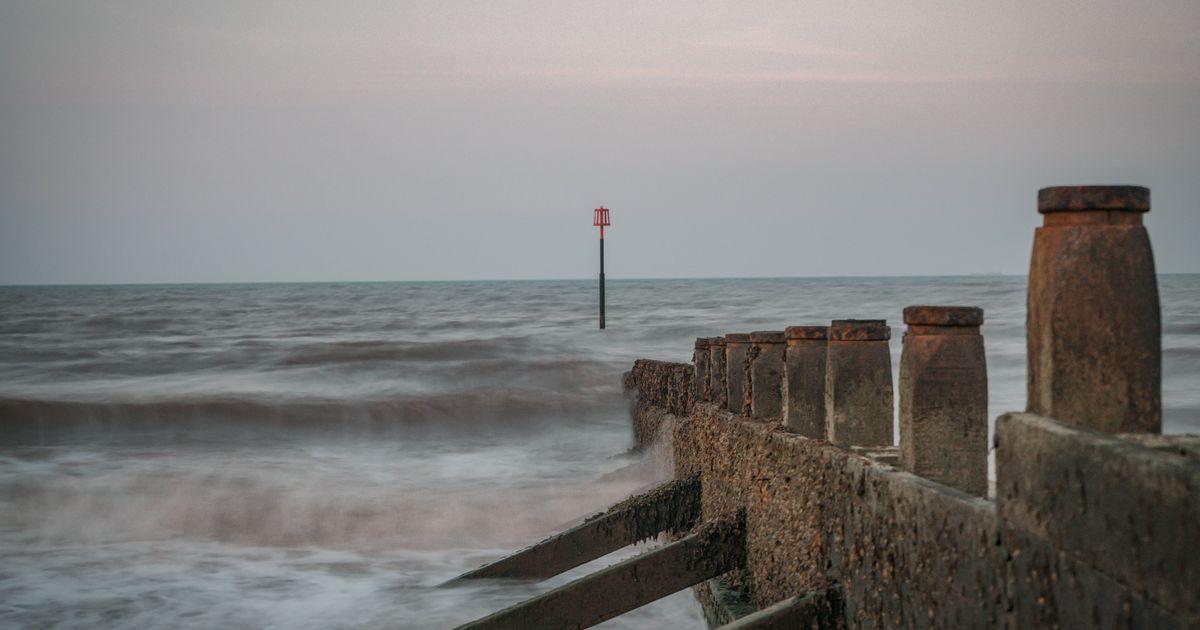
Withernsea sea rescue
A freak wave swept people into the sea near Withernsea on the East Yorkshire coast on Friday afternoon as rough three‑metre waves battered the shoreline. Local and national outlets reported the incident happened around mid‑afternoon and described dramatic scenes as bystanders and emergency services scrambled to help.
“A group was swept into the sea by a freak three-metre wave near Withernsea on the East Yorkshire coast on Friday afternoon, triggering a major rescue operation.”
Authorities and crews from organisations including the RNLI, HM Coastguard and police led searches amid demanding conditions. Some searches were later stood down, but the event prompted a multi‑agency response and ongoing searches into the evening and the following day.
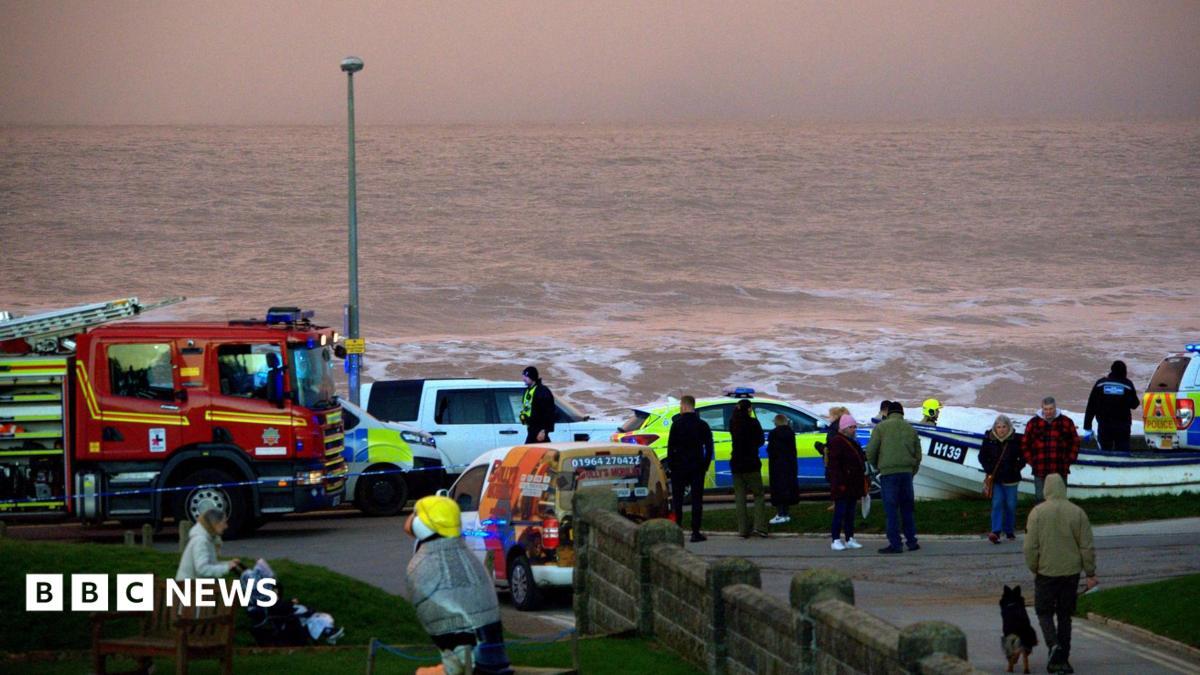
Withernsea rescue incident
Humberside Police and multiple outlets identified those involved as 45-year-old Sarah Keeling and her 15-year-old daughter, Grace, who got into difficulty. The body of Sarah Keeling was recovered from Withernsea on Friday evening.
A 67-year-old man, Mark Ratcliffe, was also pulled from the water and later died at the scene after attempting a rescue. Grace remains missing, with searches continuing into Saturday before being stood down by some agencies.
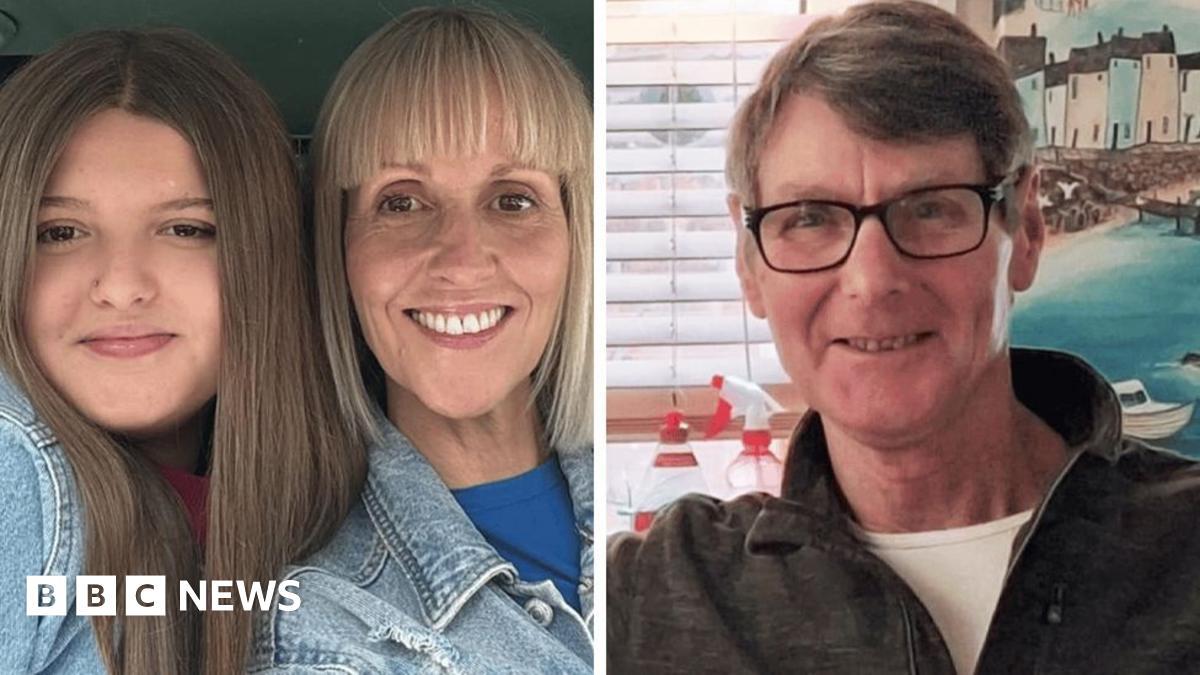
Rescue attempt and tributes
Mark Ratcliffe, 67, entered the water to help and was later pulled out unconscious and died. Several news outlets and family statements described him as a 'selfless hero'. Reports say he was a member of the public who tried to rescue the two people.
“Two bodies were recovered and identified as 67‑year‑old Mark Ratcliffe and 45‑year‑old Sarah Keeling.”
His family and others paid tribute in the days after the incident. Coverage included family quotes and descriptions of the emotional impact on relatives and the wider community.
Sea rescue amid bad weather
Eyewitnesses described frantic attempts to help. Locals say the mother leapt into the sea and came 'just inches' from reaching her daughter before both were pulled under. A café worker and other passersby also rushed in.
Several sources describe the daughter being swept from concrete steps and pulled out to sea by strong currents. Some outlets report that bad weather and sea conditions, including references to sub-zero temperatures and blizzard conditions in a few reports, hampered the response.
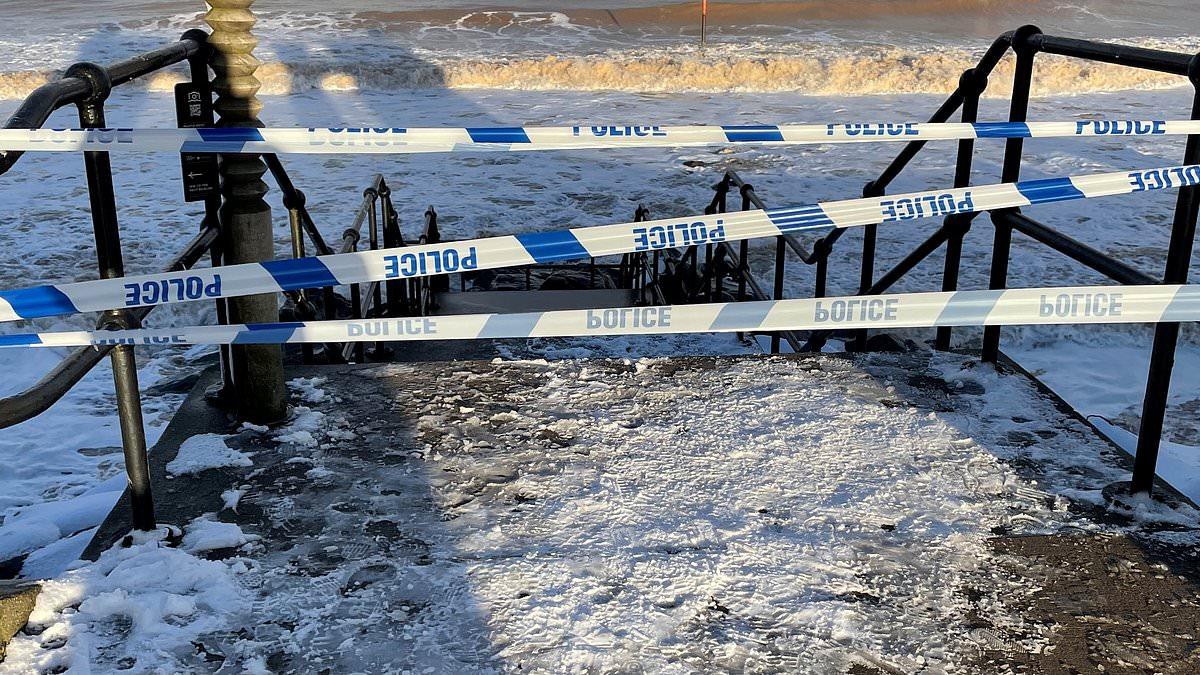
Community and official reactions
Communities and officials reacted with tributes and offers of support. Families were being supported by specially trained officers. Tributes poured in for the rescuer.
“Both families are being supported by specially trained officers, and Ratcliffe’s family described him as 'a true selfless hero.'”
Some local reaction pushed back against online criticism of the mother's actions. Authorities confirmed multi‑agency stand‑downs of some search elements after prolonged efforts. Reporting varied between factual police statements and emotive community tributes.
