Britain24 November, 20252 min read
Royal Navy Intercepts Russian Corvette Stoikiy and Tanker Yelnya in English Channel
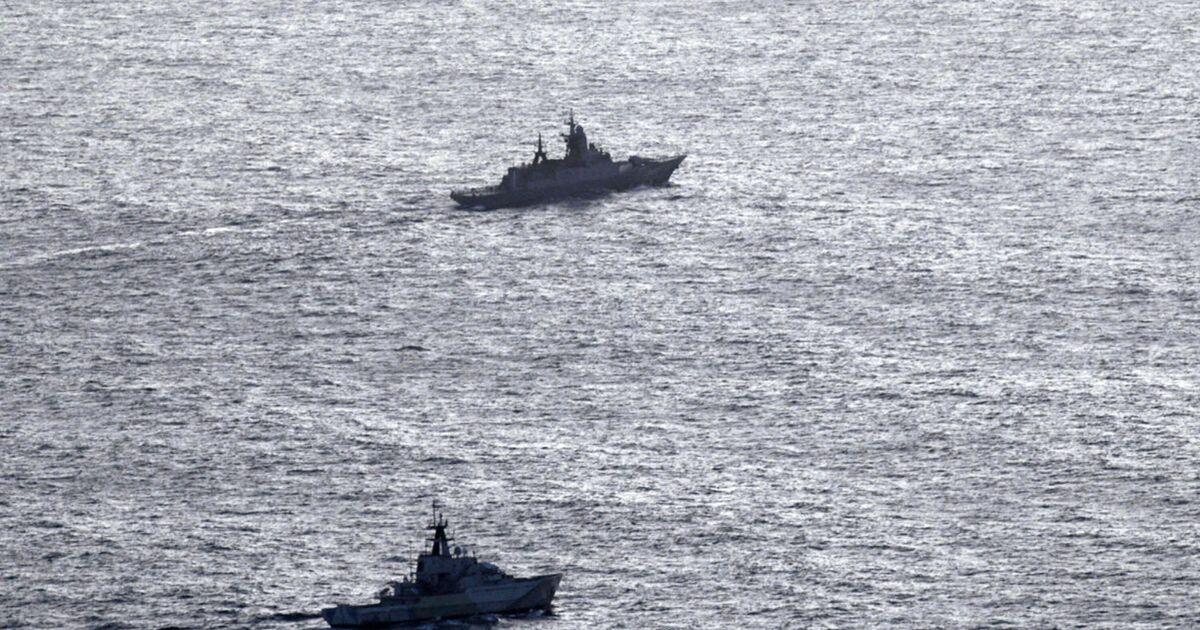
HMS Severn tracked and intercepted Russian corvette Stoikiy and tanker Yelnya through the Dover Strait. Royal Navy handed monitoring duties over to a NATO ally off the coast of Brittany.

18 outlets told this the same way.
Outlets did split on UK Police Charge Teddy Young With Spying For Foreign Power, Royal Navy Member →
HMS Severn monitoring operation
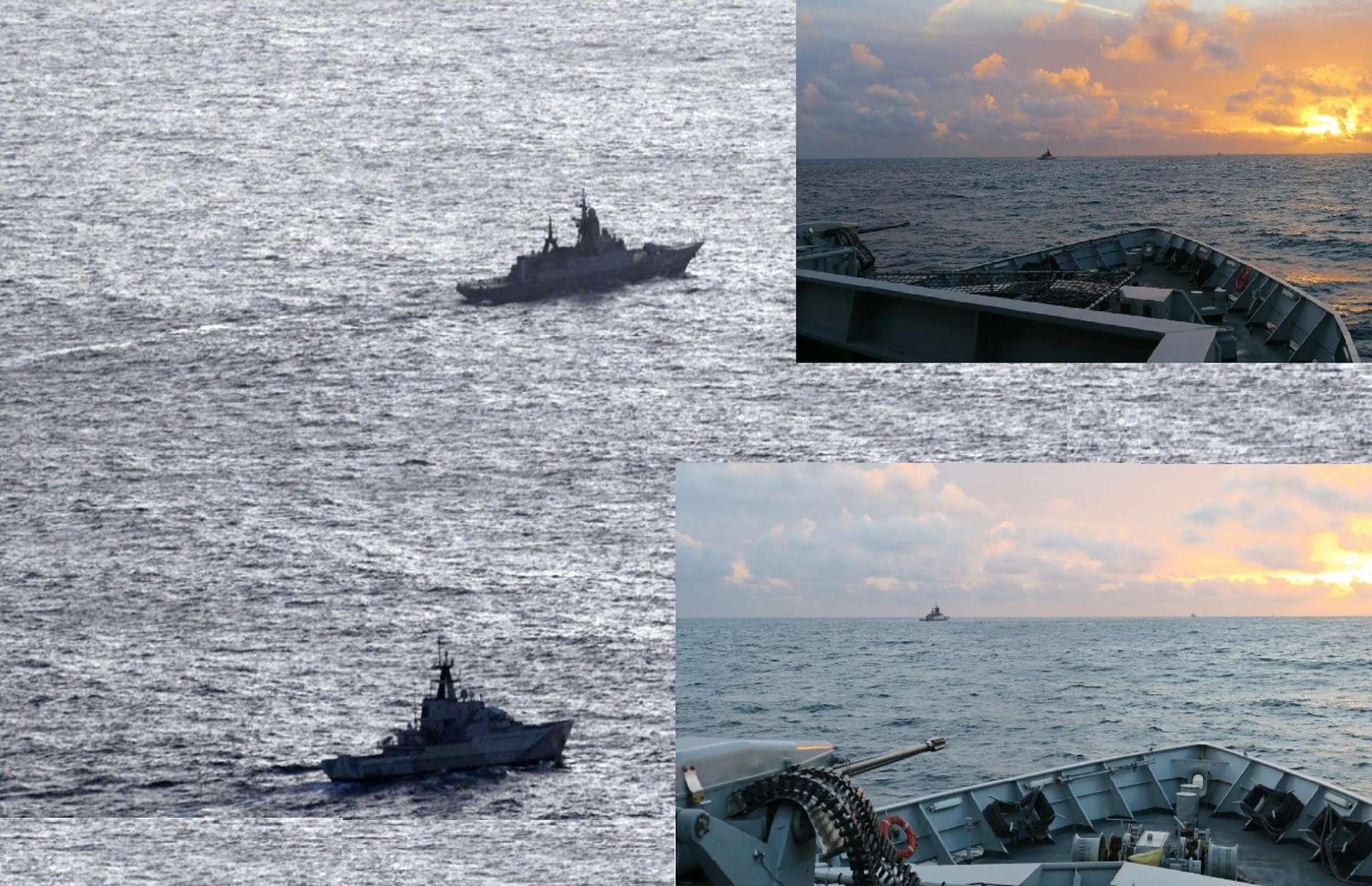
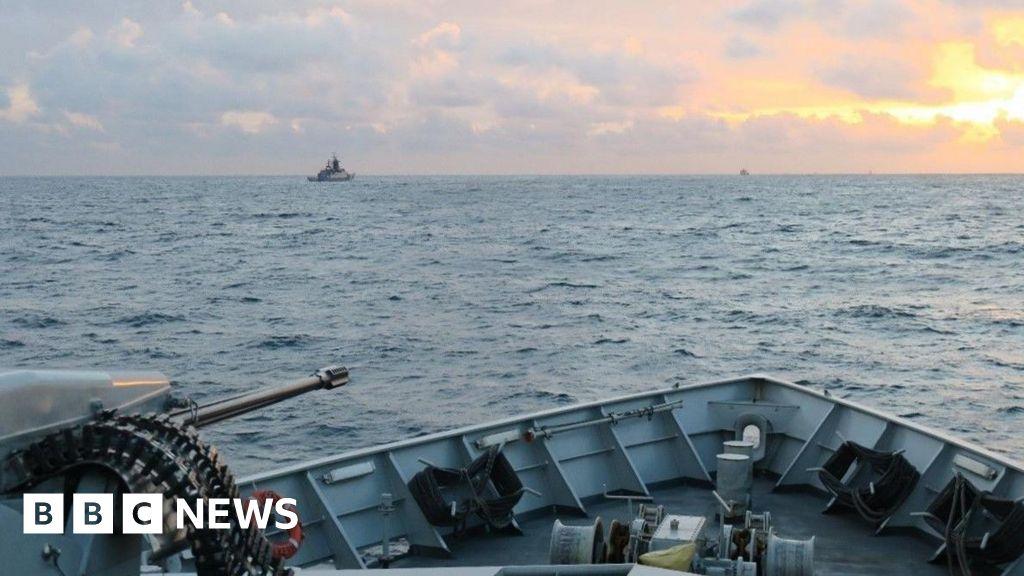
Over the past fortnight, the U.K. Ministry of Defence said the Royal Navy patrol ship HMS Severn intercepted and shadowed two Russian naval vessels, the corvette RFN Stoikiy and the tanker Yelnya, as they transited west through the Dover Strait into the English Channel.
“The UK Ministry of Defence said HMS Severn intercepted two Russian ships — the corvette RFN Stoikiy and the tanker Yelnya — as they sailed west through the Dover Strait into the English Channel in the past fortnight.”
The Severn then handed monitoring duties to a NATO ally off Brittany while continuing to observe from a distance and remaining ready to respond.

The MOD released photographs and described the operation as part of continuous monitoring of increased Russian naval activity near UK waters.
This account appears across mainstream outlets and regional reporting, which place the transit and the Severn's role at the center of the episode.
Rise in Russian naval activity
Officials placed the incident within a broader uptick in Russian naval activity near the UK. Defence Secretary John Healey said there has been about a 30% rise in Moscow’s naval presence close to British waters over two years.
Recent events include allegations that the Russian survey ship Yantar directed lasers at RAF P‑8 surveillance crews. UK forces have responded by deploying additional assets such as P‑8 Poseidon aircraft to Iceland and reassigning frigates and patrols to track suspicious vessels.
Russian reactions and reporting
The Moscow Times and other outlets report that Russia's embassy in London denied wrongdoing and urged Britain not to take provocative action. Moscow's diplomatic response also appears in multiple reports as a direct rebuttal to MOD claims. Some sources highlight domestic issues affecting foreign reporting, noting that the Prosecutor General's Office has labeled The Moscow Times 'undesirable,' a point the paper uses to appeal for reader support while covering the incident.
“Russia’s embassy in London denied wrongdoing and urged Britain to avoid provocative actions.”
Ships and strategic implications
Technical and defence analysis outlets add detail on the ships involved and the strategic implications. Army Recognition summarises Stoikiy as a Steregushchiy-class corvette with anti-ship missiles, Redut VLS air-defence cells and anti-submarine warfare capability, and describes Yelnya as a Project 160 replenishment oiler whose presence supports sustained operations. These details underline why the Royal Navy would shadow the pair as they transited a NATO choke point.
Analysts note that the combination allows for realistic training and intelligence collection while passing through the Channel. Several reports say the transit was monitored round the clock.
UK defence policy fallout
The incident has domestic political and defence policy implications in the UK. Defence Secretary Healey warned that the Yantar’s alleged laser use was "deeply dangerous". There has been a reported 30% rise in threatening Russian vessel activity.
“Healey is using the incidents to press for increased defence spending ahead of next week’s budget; opposition leader Keir Starmer has also pledged major military funding.”
Political and media coverage have used these developments to press for increased surveillance and defence spending. Some outlets explicitly noted ministerial efforts to secure more resources ahead of upcoming budget decisions.