RSF Holds Thousands In Dire Conditions In el-Fasher, Sudan Doctors Network Says
Key Takeaways
- Sudan Doctors Network reports about 2,377 detainees in El Fasher (1,470 civilians, 907 military).
- Detained civilians and militants are held in dire, life-threatening conditions across multiple detention sites.
- Detentions are centered in El Fasher, North Darfur, with facilities across the city.
El Fasher detentions
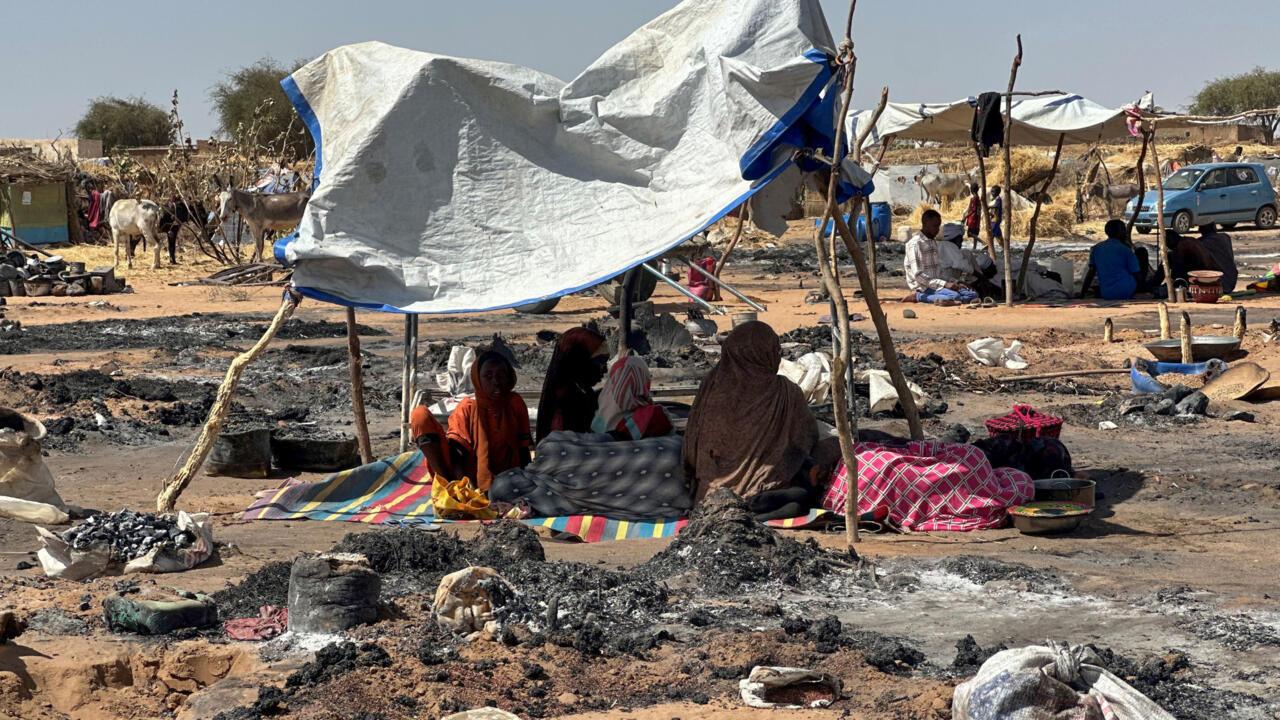
Thousands of people are being held in poor conditions by Sudan’s paramilitary Rapid Support Forces (RSF) in el-Fasher, according to the Sudan Doctors Network and reported by Al Jazeera and The Eastleigh Voice.
“Thousands of people remain detained in poor conditions by the paramilitary Rapid Support Forces (RSF) in el-Fasher in western Sudan, according to a local NGO”
The Sudan Doctors Network said on Monday that 20 doctors, more than 1,470 civilians, and 907 military personnel are being held in “dire” conditions in multiple detention facilities in the city.

The Eastleigh Voice similarly reported that around 1,470 civilians, including 426 children and 370 women, alongside 907 military detainees, are being held across multiple sites across the city.
The detentions, the medics said, began after the RSF took control of the city in October, 2025.
The accounts describe detention sites including Shalla Prison, a children’s hospital, a bus terminal, and other improvised facilities, with some detainees confined in shipping containers.
Al Jazeera reported that the RSF has been accused of numerous crimes against humanity during the conflict, which has now marked its third anniversary.
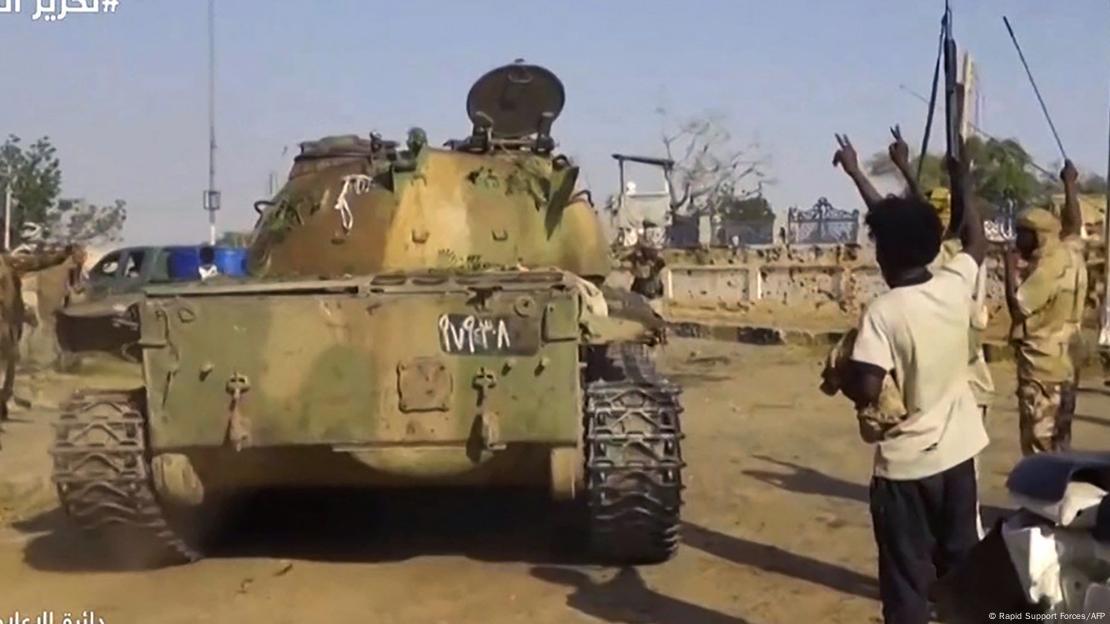
The reporting places el-Fasher in western Sudan’s Darfur region, and frames it as the last stronghold of Sudan’s army in the sprawling western region of Darfur until it fell to the RSF in late October.
Violations and health collapse
The Sudan Doctors Network and The Eastleigh Voice describe detention conditions as life-threatening and linked to broader violence and a collapse of medical services in el-Fasher.
Al Jazeera reported that the NGO said the RSF is committing “severe violations” inside detention centres in el-Fasher, “including killings during torture and interrogation, as well as ethnically motivated killings”.
It also said the network warned captives “are subjected to grave abuses, including field executions” and suffering from injuries caused by shelling without receiving medical care.
The Eastleigh Voice added that detainees have been subjected to grave abuses, including field executions and ethnically motivated killings, and it quoted the network saying, “Survivor testimonies indicate that detainees are subjected to grave abuses, including field executions.”
The Eastleigh Voice further tied the alleged abuses to the RSF’s capture of the city, describing “indiscriminate shelling and direct targeting of residential neighbourhoods” that caused large numbers of civilian casualties and serious injuries.
The reporting says medical services in El Fasher have “since nearly collapsed,” with facilities unable to cope with the volume of injured persons.
Both outlets connect the detention environment to disease: Al Jazeera said detention centres have faced a cholera outbreak since early February, while The Eastleigh Voice reported that “Detention centres have seen a widespread outbreak of cholera since early February” and that weekly deaths range between 5–10 cases, with total deaths exceeding 300 within two months.
Testimony from former detainees
A separate AFP report carried by مونت كارلو الدولية describes former detainees recounting detention conditions during the RSF assault on el-Fasher, and it provides detailed accounts of beatings, deprivation, and torture.
“Former detainees with the Rapid Support Forces recount the horrors of their detention in El Fasher Tawila, Sudan (AFP) – Despite the darkness of the container in which he was held with dozens of men during the RSF’s assault on El Fasher, Ibrahim Nour al-Din could have known that another detainee had collapsed or choked merely by hearing any movement or a muffled groan”
The AFP report says that Ibrahim Nour al-Din, a former detainee, was held in a container with dozens of men during the RSF’s assault on El Fasher, and that he could “have known that another detainee had collapsed or choked merely by hearing any movement or a muffled groan.”
Nour al-Din told AFP, "When people were dying of thirst and hunger, they beat us to force us to bury them outside."
He also said, "They forced us to do forced labor: carrying their belongings, equipment and weapons. And if we were slow, they beat us with whips."
The AFP account places the assault on Oct. 26, stating that during the RSF assault on El Fasher on Oct. 26, Nour al-Din and six others were subjected to "beatings and were accused of fighting in the army," and that they were held with 120 men in a container and deprived of air.
It describes survival for a month depending on "small splashes of water" and "a little lentils."
The report also says that Al-Fashir Children’s Hospital was one of the main detention centers, where more than two thousand men were held without food or water, and it quotes Abdullah Idris (45) saying he had to subsist on saline solution only and watched dozens die daily.
Genocide allegations and context
The detention accounts are presented within a wider conflict timeline and earlier allegations about atrocities in el-Fasher.
Al Jazeera says the RSF and the Sudanese Armed Forces (SAF) have been fighting a civil war since April 2023, which has killed hundreds of thousands and displaced millions to create the “world’s worst humanitarian crisis”, according to the United Nations.
It adds that until it fell to the RSF in late October, el-Fasher was the last stronghold of Sudan’s army in the sprawling western region of Darfur.
Al Jazeera also reports that in February, UN-backed experts said the paramilitary group has carried out “a coordinated campaign of destruction” against non-Arab communities in and around el-Fasher, the “hallmarks of which point to genocide”.
The AFP report carried by مونت كارلو الدولية says that in February, a United Nations fact-finding mission reported "acts of genocide" in El Fasher after it fell into RSF hands.
It further states that the UN Human Rights Office, in cooperation with the Information Resilience Center (CIR) based in London, disclosed hospitals, schools and shipping containers converted into a broad network of prisons.
In the same Al Jazeera report, the outlet describes a Sudanese army strike on the Hamidiyah camp for displaced people near Zalingei, the capital of Central Darfur state, killing six people and wounding dozens more, according to Emergency Lawyers.
What happens next
The reporting frames the immediate next steps as urgent intervention to halt alleged violations and restore access to medical care for detainees and the wider city.
“According to the group, around 1,470 civilians, including 426 children and 370 women, alongside 907 military detainees, are being held across multiple sites across the city”
The Eastleigh Voice says the Sudan Doctors Network called for urgent intervention to halt the alleged violations, secure the release of civilian detainees and restore access to essential medical services for those still in El Fasher.
It also emphasizes that detention conditions have deteriorated with cholera since early February, describing “Poor environmental conditions, lack of clean water, and malnutrition” contributing to disease spread and wound infections.
Al Jazeera similarly warns that the capture of the doctors, alongside a “critical” shortage of medical supplies, has debilitated the health sector.
In Al Jazeera’s account, the NGO said the report highlights “a clear link between the violence accompanying the city’s takeover and the subsequent collapse of humanitarian and health conditions”, and it adds that there was no immediate comment from the RSF on the report.
The AFP report adds that a spokesperson for the RSF told AFP that these reports are propaganda, accusing the army of using "civilians as human shields."
Together, the sources depict a situation where detention, disease, and medical shortages reinforce each other, with the cholera outbreak and the detention of doctors described as central to the crisis.
More on Sudan

IOM Warns 4 Million Sudan Returnees Face Collapsing Services in Khartoum and Al Jazirah
20 sources compared

Abdel Fattah al-Burhan Welcomes Noor al-Quba’s Defection From RSF to Sudanese Army
17 sources compared
Ahmed al-Sharaa Meets SDF Leaders Mazloum Abdi and Ilham Ahmed To Complete Integration
15 sources compared

IGAD Envoy Lawrence Korbandy Says Quintet Will Convene Sudan Meetings Next Month
11 sources compared