Full Analysis Summary
Dilling drone strike reports
Dozens were reported killed in suicide-drone strikes on Dilling in South Kordofan that hit both civilian areas and army positions, according to multiple reports.
Al Jazeera reported that dozens were killed when suicide drones struck multiple areas of Dilling, including the Sudanese army's 54th Brigade headquarters and the central market.
Al Jazeera blamed the attack on the Rapid Support Forces (RSF) and said it could not independently verify the reports.
Radio Dabanga reported a lower immediate toll, saying at least five people were killed and dozens wounded when drones struck Dilling town in South Kordofan.
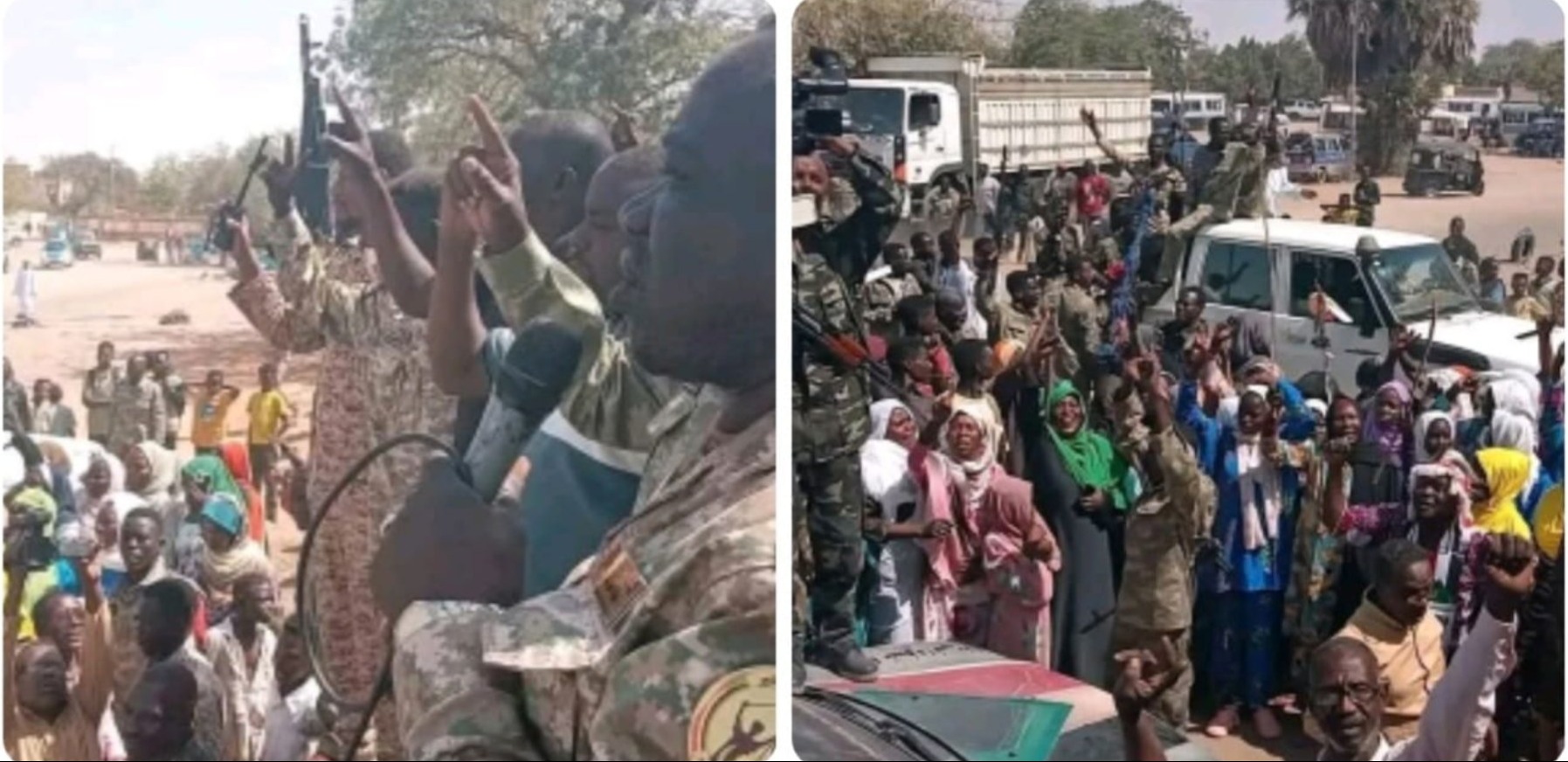
Radio Dabanga noted the strikes came a day after the army said it had lifted a long siege.
Al-Jazeera Net framed the incident within sustained heavy fighting across Kordofan and said the clashes have produced a major displacement and humanitarian crisis.
Coverage Differences
Contradiction (death toll / immediate casualties)
Al Jazeera (West Asian) reports “dozens were killed,” attributing the strikes to the RSF and naming specific targets, while Radio Dabanga (Other) gives a smaller immediate figure—'at least five people were killed'—and focuses on wounded civilians and the timing of the strikes after the army said it had lifted a siege. Al-Jazeera Net (West Asian) does not give a specific death toll in this snippet but places the strikes in the context of wider heavy fighting and displacement. The sources thus differ on the reported scale of immediate fatalities and on emphasis between battlefield and humanitarian context; Al Jazeera explicitly warns it could not independently verify the reports, while Radio Dabanga relays local relatives and medical sources as its basis.
Conflicting reports on strikes
Reports differ on where the strikes landed and what they targeted.
Al Jazeera cites attacks on the army’s 54th Brigade headquarters and the central market, notes the town's strategic location between Kadugli and el‑Obeid, and says the RSF is blamed for the strikes.
By contrast, Radio Dabanga describes the attack as hitting a forested area south of the town market and frames it as the second day of strikes after the army announced it had lifted a more-than-two-year siege.
Radio Dabanga also reports the Sudanese Armed Forces said they seized the Habila area and sent reinforcements.
Al-Jazeera Net provides wider-area context, mentioning the army’s recent entry into Dalang after a two-year siege and ongoing efforts by the RSF to reinstate blockades.
Together, the accounts highlight how contested supply lines and sieges shape where and why strikes occur.
Coverage Differences
Narrative focus / target details
Al Jazeera (West Asian) emphasizes strikes hitting named military and civilian infrastructure — '54th Brigade headquarters and the central market' — and attributes blame to the RSF, while Radio Dabanga (Other) details the strike as hitting 'a forested area south of the town market' and foregrounds the sequence of siege-lifting and army claims about seizing Habila. Al-Jazeera Net (West Asian) focuses less on that specific strike location and more on the strategic pattern—sieges and movement such as 'the army recently announced it entered Dalang after a two-year siege'—which shapes its account of fighting and objectives. These differences show Al Jazeera prioritizing named targets and attribution, Radio Dabanga focusing on local eyewitness detail and siege developments, and Al-Jazeera Net on broader operational geography.
Humanitarian shortages and displacement
Sources stress the humanitarian toll and shortages, with each emphasising different aspects.
Radio Dabanga reports grave conditions at Dilling Hospital and says the Sudan Doctors Network warned of severe shortages of staff, food and medicines.
Radio Dabanga adds there are more than 1,300 malnutrition cases, mostly among children, and urges an immediate humanitarian air bridge and convoys.
Al Jazeera similarly reports that medical groups say health services and essential supplies, especially IV fluids, are critically short and that the Sudan Doctors Network has called for an urgent humanitarian corridor.
Al-Jazeera Net supplies larger-scale displacement figures, saying the Abu Jubayha area alone has taken in more than 150,000 people.
IOM reports more than 88,000 people were displaced from 69 localities, emphasising camps, long journeys and malnutrition among arriving children.
Together these accounts portray severe local shortages and child malnutrition alongside a wider regional displacement crisis.
Coverage Differences
Tone / scale of humanitarian focus
Radio Dabanga (Other) emphasizes immediate clinical strain and gives a concrete malnutrition figure—'more than 1,300 malnutrition cases (mostly children)'—and pushes for an 'immediate humanitarian air bridge.' Al Jazeera (West Asian) highlights critical shortages of essentials 'especially IV fluids' and the Sudan Doctors Network's call for a corridor. Al-Jazeera Net (West Asian) emphasizes mass displacement and camp overcrowding—'Abu Jubayha area alone has taken in more than 150,000 people' and IOM's 'more than 88,000 people were displaced'—thus widening the humanitarian lens from local hospital crises to large-scale internal displacement. Each source reports calls for aid but frames needs at different operational levels (hospital, corridor, camps/relocations).
Sudan conflict coverage
Al Jazeera situates the strikes within the broader civil war since April 2023, noting the fighting has displaced millions and killed thousands.
It also references an ICC probe into alleged war crimes after the RSF takeover of el‑Fasher.
Radio Dabanga underscores that drone strikes by both sides in the Sudan conflict have increasingly caused civilian casualties.
Radio Dabanga also relays SAF statements that they ended the siege after seizing the Habila area.
Al-Jazeera Net frames an extensive humanitarian catastrophe across Kordofan and beyond, saying the overall conflict has caused widespread famine, tens of thousands of deaths and about 14 million displaced.
The overall result is that Al Jazeera emphasizes legal and accountability follow-up, Radio Dabanga highlights battlefield claims and immediate civilian harm, and Al-Jazeera Net emphasizes long-term displacement and famine dynamics.
Coverage Differences
Attribution / accountability emphasis
Al Jazeera (West Asian) explicitly links the fighting to international accountability mechanisms—'separate abuses after the RSF takeover of el‑Fasher prompted an ICC probe'—while Radio Dabanga (Other) stresses that 'drone strikes by both sides ... have increasingly caused civilian casualties' and reports SAF claims about seizing territory. Al-Jazeera Net (West Asian) emphasizes the cumulative humanitarian devastation—'widespread famine, tens of thousands of deaths and about 14 million displaced'—rather than immediate legal processes. This shows Al Jazeera foregrounding possible war-crimes scrutiny, Radio Dabanga reporting operational claims and local civilian impact, and Al-Jazeera Net giving structural humanitarian totals.
Humanitarian aid appeals overview
All sources call for urgent humanitarian action but vary on recommended routes and the scale of response.
Radio Dabanga relays an appeal for an immediate humanitarian air bridge, urgent convoys, and protection for medical facilities and workers.
Al Jazeera repeats the Sudan Doctors Network's demand for an urgent humanitarian corridor to deliver food and medicine and notes critical shortages such as IV fluids.
Al-Jazeera Net documents official appeals, noting that the Humanitarian Aid Commission has asked aid organizations for urgent support, and it highlights where displaced people are sheltering and the limits of local capacity.
Together these accounts point to convergent calls for corridors, airlifts, and convoys while emphasizing different priorities: local clinical relief (Radio Dabanga), medical-corridor framing (Al Jazeera), and large-scale camp assistance and relocation (Al-Jazeera Net).
Coverage Differences
Recommended humanitarian response / emphasis
Radio Dabanga (Other) stresses an 'immediate humanitarian air bridge' and protection for medical facilities as urgent measures, Al Jazeera (West Asian) highlights calls for an 'urgent humanitarian corridor' to deliver food and medicine and points to shortages like 'IV fluids,' while Al-Jazeera Net (West Asian) emphasizes appeals from the Humanitarian Aid Commission and the need to support overcrowded camps ('Abu Jubayha area alone has taken in more than 150,000 people'). Each source therefore converges on urgency but prioritizes different operational responses and scales—airlift, corridor, or camp assistance.