Sudan04 February, 20262 min read
RSF Launches Drone Strikes on Kadugli, Kills 15 Civilians Including Seven Children, Hits Health Center and Residential Areas
This article is an automated aggregation of coverage from news outlets. Our editorials offer in-depth analysis curated by the NewsCord team.
Rapid Support Forces launched drone strikes on Kadugli, South Kordofan Attacks killed 15 civilians, including seven children
6 outlets told this the same way.
Kadugli drone strike report
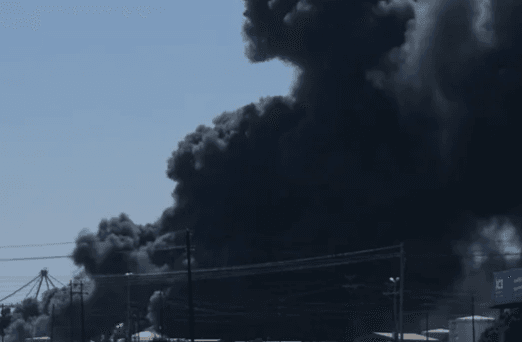
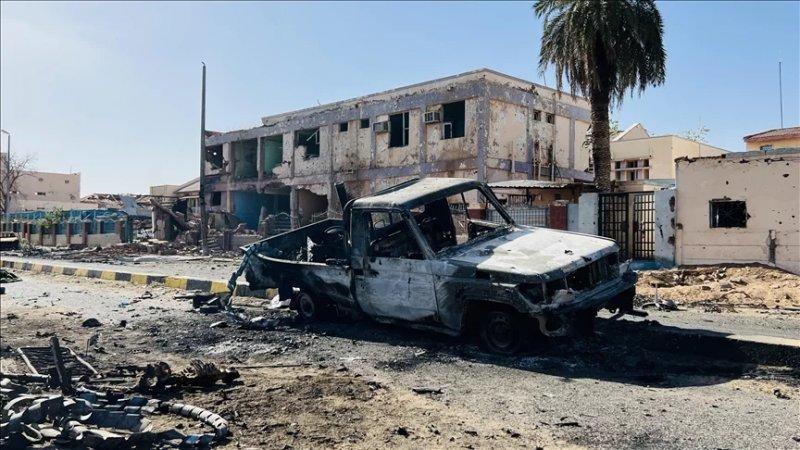
Drone strikes on Kadugli killed at least 15 civilians, including seven children, when residential areas and the Al-Shartai Health Centre were hit, according to local volunteers and witnesses reporting from the scene. Local groups and medical networks blamed the paramilitary Rapid Support Forces (RSF) for the strikes, and the Sudan Doctors Network described the attack as a "flagrant violation" of international humanitarian law, saying many of the victims were patients receiving treatment. The strikes occurred as Sudanese Armed Forces (SAF) units said they had entered Kadugli after a long siege, in an escalation tied to the broader SAF-RSF conflict that began in April 2023.
“At least 15 civilians, including seven children, were killed when drones struck residential areas and the Al‑Shartai Health Centre in Kadugli, southern Sudan, local volunteers and witnesses said.”
Al-Shartai health centre strike
Medical sources and witnesses said the Al-Shartai Health Centre was struck and that many victims were patients receiving care at the facility. The Sudan Doctors Network formally blamed the RSF and labeled the strikes a 'flagrant violation' of international humanitarian law, and volunteer groups and aid sources echoed that condemnation. Some outlets noted the RSF had not immediately responded to the accusations, underscoring that attribution rests on witnesses and medical networks rather than an RSF statement.
Kadugli siege and escalation
The strikes came hours after the Sudanese Armed Forces said they had entered Kadugli. Local and U.N. data show Kadugli was besieged for more than two years and that nearly 80% of residents fled during the blockade.
“The strikes came hours after the Sudanese Armed Forces (SAF) said it had broken an RSF-led siege of Kadugli that had lasted more than two years; the attack occurred at about 4:00 p.m. (1400 GMT).”
United Nations figures cited by one outlet put the city's population at roughly 183,750. Reporting says the prolonged blockade caused severe shortages and links the recent escalation to RSF advances elsewhere in the region.
Sudan conflict context
Observers place the attack within the broader SAF–RSF war that began in April 2023, a conflict many reports say has killed tens of thousands and produced massive displacement across Sudan.
Several accounts link the recent uptick in Kordofan violence to RSF gains in Darfur from October 2025, identifying the capture of El Fasher as a turning point after which operations intensified in the region.
Humanitarian impact and reporting caveats
Immediate humanitarian implications include renewed displacement pressures and further strain on medical services already hit by months or years of siege. Humanitarian groups and medical networks have called the strikes a violation of international law.
“The Sudan Doctors Network blamed the paramilitary Rapid Support Forces (RSF), calling the attack a ‘flagrant violation’ of international humanitarian law and saying most victims were patients receiving treatment; the RSF did not immediately respond.”
Reporting indicates these allegations come mainly from local medical networks and volunteer groups, and direct comment from the RSF was not recorded in some accounts. Available reporting is consistent on the reported death toll and the health-centre strike, but attribution rests on witness and medical-network claims and therefore carries the caveat that the accused party's response is not present in all reports.