RSF Shelling Near Collapses Delling City Health System In South Kordofan
Key Takeaways
- RSF shelled a South Kordofan hospital, killing 22 and wounding eight.
- Delling's health facilities face repeated shelling, pushing the medical system toward collapse.
- Delling is encircled; SAF controls the city while RSF and allies shell.
Delling’s health system buckles
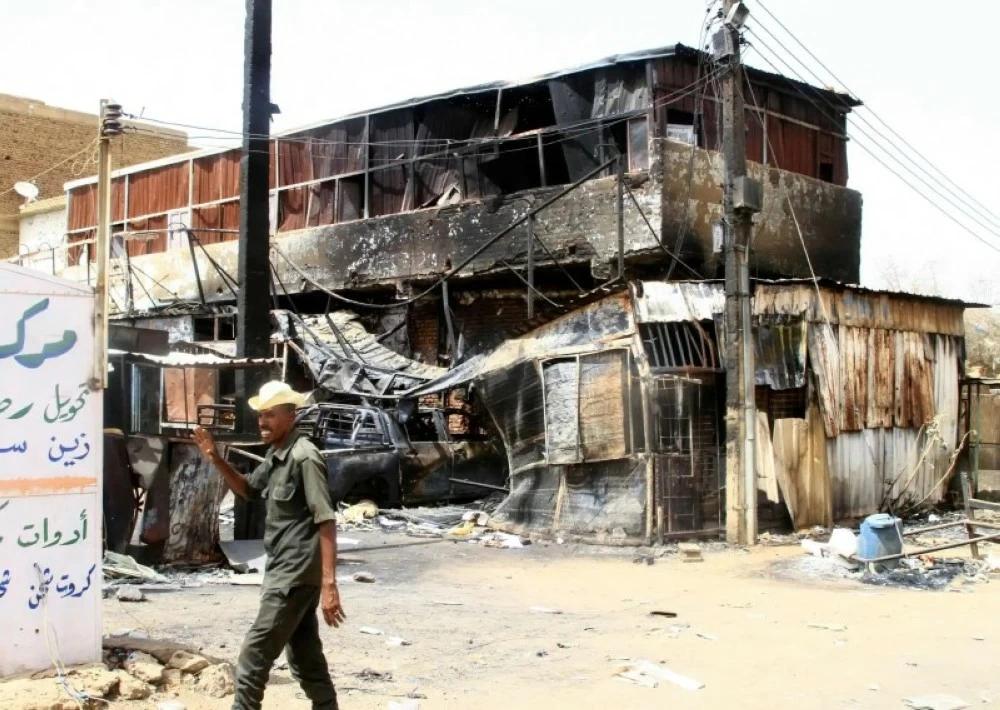
In South Kordofan’s Delling City, the health system is nearing collapse as heavy shelling and aerial bombardment intensify, with the Sudan Doctors Network warning that medical facilities have been subjected to repeated attacks.
The Eastleigh Voice reports that “the city is effectively encircled and repeatedly attacked by RSF and its allied forces,” while the Sudan Doctors Network says the shelling of medical facilities in Delling has caused “near‑total collapse of the health sector and a complete lack of medical supplies.”

The Eastleigh Voice adds that Delling is a city in South Kordofan, where fighting and aerial bombardment have intensified as conflict continues between the national army and the paramilitary Rapid Support Forces (RSF) and their allied Sudan People’s Liberation Movement North (SPLM‑N) led by Abdelaziz El Hilu.
In a statement, the network says the Teaching Hospital has been taken out “to a significant extent,” that the Tomat Reference Hospital “remains out of service for some time,” and that the Medical Armament Hospital was destroyed.
The statement also says the work of Am Bukhaita Hospital has been limited to maternity services only, while about “10 centres” have been taken out of service, including centres providing nutrition and reproductive health services.
The Eastleigh Voice further reports that last week a protection group of international organisations and UN agencies said at least 100 civilians have been killed in Delling since February, including 35 in early April alone, as heavy fighting and aerial bombardment intensify.
Encirclement, shortages, and isolation
The Eastleigh Voice describes Delling as a place where humanitarian access is severely restricted, with key roads linking the city to surrounding areas cut off and deepening isolation.
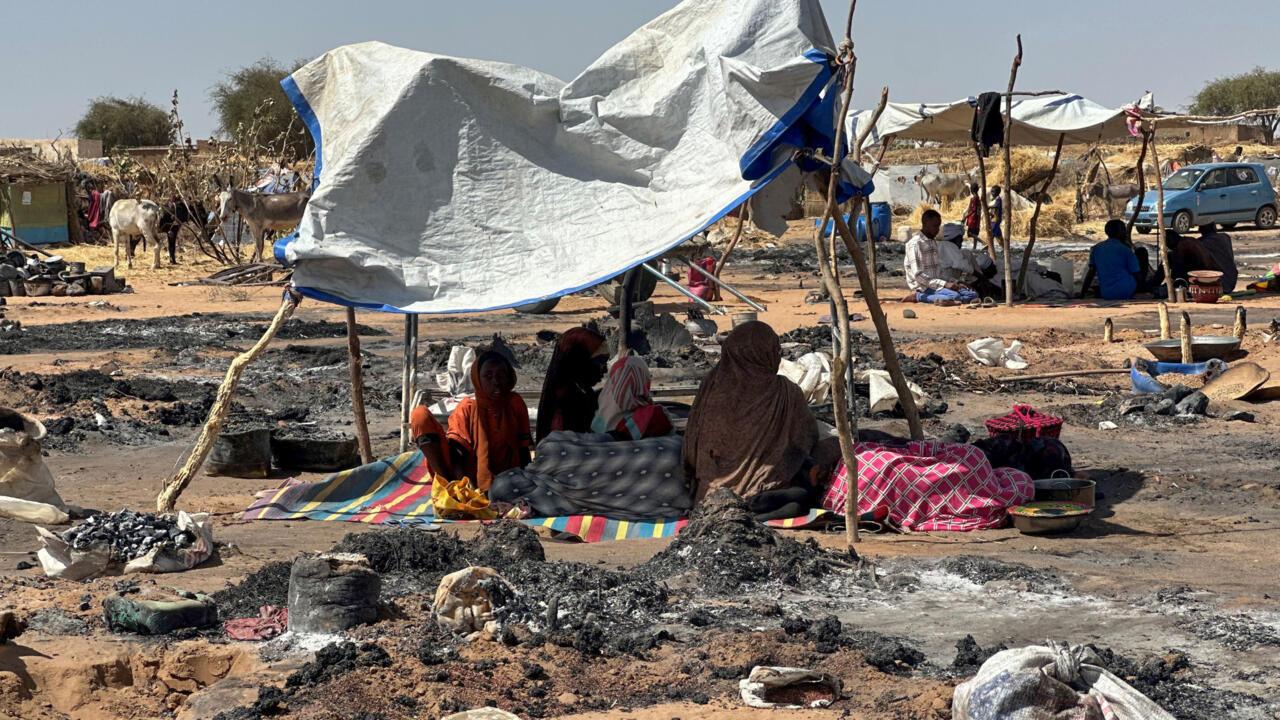
It reports that “humanitarian access has been severely restricted, while key roads linking the city to surrounding areas are cut off, deepening isolation,” leaving residents and displaced people trapped with limited access to food, healthcare, and aid.
The same report says “Around 37,000 residents and 14,000 displaced people are now trapped with limited access to food, healthcare, and aid.”
In parallel, the Dabanga Radio TV Online account says the continued shelling has pushed the city’s healthcare system “to the brink of collapse,” and that the systematic targeting of medical facilities by RSF and SPLM‑N has “crippled services and left civilians without access to essential care.”
Dabanga Radio TV Online quotes Dr Tasnim Al Amin, spokesperson for the network, saying the attacks have forced many medical facilities out of service, with Delling Teaching Hospital “sustained severe damage and now operates only partially.”
It also reports that at least “10 health centres” have shut down, including those offering nutrition and reproductive health services, and that “acute shortages of medical staff, medicines, equipment, and essential supplies” are compounding the crisis.
A wider war of hospitals
Beyond Delling, multiple reports describe attacks on hospitals and medical personnel across South Kordofan as part of a broader pattern that health groups say is worsening the humanitarian crisis.
“"Sudanese Doctors Network": 22 killed in Rapid Support Forces shelling of a hospital in Kordofan”
Anadolu Ajansı reports that in the town of Al-Kuwik in South Kordofan state, the Sudanese Doctors Network announced “22 people were killed and eight injured” as a result of shelling by the Rapid Support Forces on the Al-Kuwik Military Hospital.
The Anadolu Ajansı account says the NGO network stated: “22 people were killed, including the medical director of Al-Kuwik Military Hospital and three medical staff, and eight others were wounded,” and it condemned the targeting of health facilities and medical personnel as “a war crime and a clear violation of international humanitarian law.”
Anadolu Ajansı also notes that the network did not specify whether the shelling was artillery or a drone strike, and it says the Rapid Support Forces had not commented as of “13:45 GMT.”
TRT عربي similarly frames the attack as part of repeated assaults that have led to shutdowns of hospitals, stating the Sudan Doctors Network “deems” the targeting of health facilities and medical personnel “a war crime and a flagrant violation of international humanitarian law.”
TRT عربي adds that UN High Commissioner for Human Rights Volker Türk urged the provision of “400 million dollars” to meet growing needs in countries including Sudan and Myanmar, warning that funding cuts have placed the Office in a “survival mode.”
The UN and US push for truce
At the United Nations Security Council, the United States described Sudan’s crisis in sweeping terms and pressed for a humanitarian truce and a civilian transition, while also linking the situation to hospital destruction and obstacles to aid.
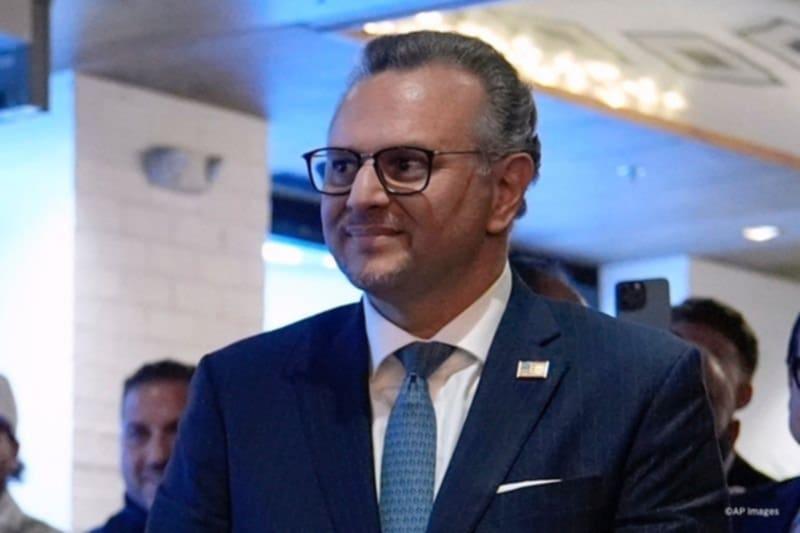
Alwihda Info reports that Massad Boulos, “the senior adviser to the American president for Africa, the Arab world and the Middle East,” told the Security Council that the crisis is the “gravest humanitarian catastrophe in the world.”

The same report says that after “more than a thousand days of war between the Sudanese Armed Forces (SAF) and the Rapid Support Forces (RSF),” Sudan is in “total chaos,” with “More than 12 million people” displaced and “More than 34 million people, or over 70% of the population” in need of humanitarian aid.
Alwihda Info states that Massad Boulos denounced “the destruction of hospitals, the collapse of water systems, and the isolation of entire communities deprived of assistance,” and it says he cited “credible reports of massacres, sexual violence, forced recruitment, and systematic obstacles to humanitarian aid.”
The report quotes Boulos saying “There are no good actors in this conflict,” and it adds that he asserted “both RSF and SAF bear direct responsibility for grave human rights violations and the prolongation of the war.”
UNric’s overview similarly describes the conflict as a humanitarian emergency, saying fighting broke out on “April 15, 2023” and that the UN now officially calls it “the world’s worst humanitarian crisis and displacement.”
Sanctions, accountability, and next steps
As the war grinds on, the sources describe a push for accountability through sanctions and international justice mechanisms, alongside calls for civilian protection and humanitarian access.
“On the morning of April 15, 2023, the residents of Khartoum, the capital of Sudan, were shocked by the outbreak of fighting in their city, which quickly spread to other parts of the country”
Alwihda Info says Massad Boulos warned that Washington “will not hesitate to use sanctions and other measures against any attempt to sabotage the civilian process or to return to authoritarian rule,” and it reports that the United States announced “new sanctions” against “several RSF commanders involved in grave crimes.”
The report specifies that the sanctions include “asset freezes, travel bans, and visa restrictions,” and it says the targeted crimes include “ethnic massacres, acts of torture, sexual violence, and famine tactics.”
Human Rights Watch, in its “The Sudan Conflict: Two Years On” material, says RSF fighters and their allies “have committed crimes against humanity and widespread war crimes,” and it also states that “The SAF and their allies have also committed war crimes.”
HRW adds that “Both sides have impeded humanitarian aid, thereby contributing to famine,” and it calls for “The protection of civilians, including through the deployment of a civilian protection mission.”
Unric’s UN-focused update provides additional context on the conflict’s timeline and displacement, saying “Nearly 13 million people have been forcibly displaced since April 2023,” and it notes that “The October 26, 2025 takeover of El Fasher by RSF paramilitary forces” plunged Sudan into “a new phase of instability.”
More on Sudan
Paramilitaries Launch 35 Drones in Eastern Sudan, Triggering Power Outages and Killing Three
13 sources compared
UNESCO Honors Sudanese Journalists Syndicate With Guillermo Cano World Press Freedom Prize
35 sources compared

UNICEF Warns Five Million Children Face Extreme Deprivation in Sudan’s Darfur
10 sources compared
UNICEF Warns Darfur Children Face New Humanitarian Catastrophe, Homes Schools Hospitals Under Fire
20 sources compared