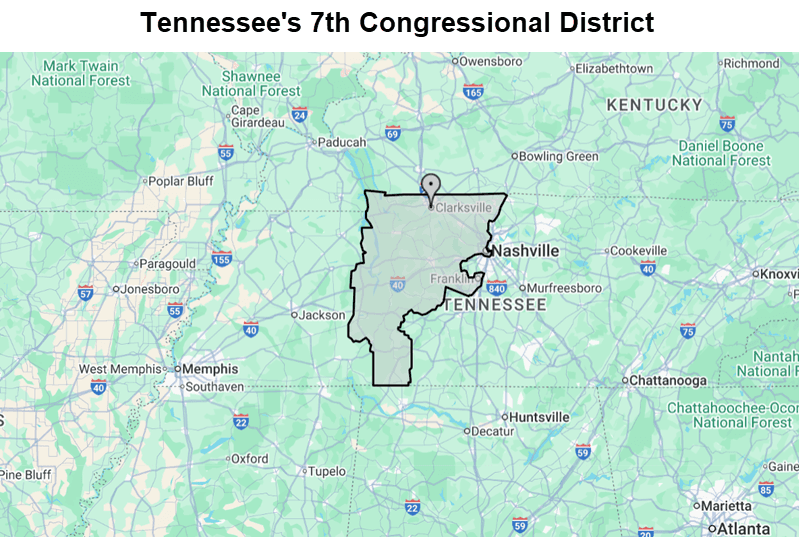
270toWin
Live Results: Tennessee Congressional Special Election and State Legislative Runoffs
 ABC News
Republican Matt Van Epps projected winner in closely watched Tennessee special election for House seat
 ABC News
3 key questions about the US boat strikes that killed survivors
 ABC News
White House says admiral ordered follow-up strike on alleged drug boat, insists attack was lawful
 AL
ALTrump-backed Republican wins Tennessee congressional race after string of Democrat victories
 Al Jazeera
Trump’s pick Van Epps wins special election in deep-red Tennessee
 Al Jazeera
US defence chief says he did not see survivors before follow-up boat strike
 Al Jazeera
Hegseth or Admiral Bradley: Who approved the second Venezuela boat strike?
 Annenberg Media
Matt Van Epps wins Tennessee special election
 AP News
Trump-backed Republican Matt Van Epps wins US House special election in Tennessee
 BBC
BBCUS authorised second deadly Venezuela boat strike, White House says
 BBC
BBCRepublicans win Tennessee election despite Democratic fightback
 BBC
BBCUS defence secretary says he did not see survivors before follow-up strike on drug boat
 BBC
BBCNato foreign ministers meet in Brussels as Russia signals no breakthrough in Ukraine peace talks
 BBC
BBCUS Navy commander ordered second Venezuela boat strike, White House says
 Business Today
'If you want war...': Putin warns Europe amid non-substantial US–Russia talks' talks on Ukraine
 CBC
CBCRussia-U.S. meeting ends with nations no closer to finding path to peace in Ukraine, Putin aide says
 CBC
CBCAs Trump's lethal strikes on alleged drug boats draw scrutiny, U.S. Congress steps up
 CBS News
Trump and Hegseth provide new details on controversial strikes on alleged drug boat
 CBS News
How the Trump administration's account of Sept. 2 boat strike has evolved
 CBS News
Republican Matt Van Epps wins closely watched Tennessee House race, AP projects
 CiberCuba
Trump says that the attacks in Venezuela will begin soon
 Clarksville Online
Matt Van Epps Wins Tennessee’s 7th Congressional District, Secures Key Victory in Special Election
 CNN
CNNLawmakers demand audio and video of boat attack as follow-up strike raises concern on Capitol Hill
 CNN
CNNRepublicans avoided a nightmare in Tennessee. Their electoral picture is still scary
 CNN
CNNRepublican Matt Van Epps will win Tennessee special election, averting Democratic upset, CNN projects
 CNN
CNNLive updates: Trump presidency, Venezuela news, Witkoff and Kushner meet with Putin for Ukraine talks
 Colitco
US Special Election Coverage: Key Highlights From Tennessee
 CP24
CP24Hegseth cites ‘fog of war’ in defending follow-on strike in scrutinized attack on alleged drug boat
 crispng
How did Republican Matt Van Epps win Tennessee 7th District special election? Here's a breakdown
 Daily Jang
White House defends US attack on Venezuelan boat as lawful, cites self defense
 Defense One
Congress to probe US strikes on boats in Caribbean
 DIE WELT
Meeting in Moscow: 'Constructive talks' — where things are still clearly stuck
 Digital Journal
US Republicans sweat toss-up election in traditional stronghold
 El Mundo
The White House protects Hegseth but admits it authorized a second attack against the survivors of an alleged 'narco-boat'.
 Eurasia Review
Russia Says ‘Meaningful’ Meeting With US On Ukraine Peace Proposal Ends, ‘No Closer’ To Deal
 fakti.bg
Peace talks in Moscow fail. Putin threatens Europe with war ᐉ News from Fakti.bg - World
 Folha de S.Paulo
We can attack any country that sends drugs to the U.S., not just Venezuela, says Trump; watch the video
 Fox News
Spec ops chief ordered deadly Caribbean strike ‘in self-defense’ with Hegseth’s sign-off, White House says
 Fox News
Trump-backed Republican keeps crucial congressional seat in GOP hands with special election victory
 France 24
US Navy commander authorised second strike on Venezuela vessel, White House says
 Hindustan Times
Matt Van Epps vs. Aftyn Behn Tennessee Special Election results: Who won in Montgomery, Williamson, and other counties | Hindustan Times
 HuffPost UK
BBC Expert Says Failed US-Russia Talks Still Offer Key Insight Into Putin's Mentality
 livemint
Who is Matt Van Epps? Trump-backed Republican wins Tennessee's hotly contested vacant US House seat
 Marine News Magazine
Some U.S. Republicans Demand Answers on Venezuela Strikes
 Nashville Scene
Van Epps Defends 7th District Seat for Republicans
 NBC News
White House confirms second Sept. 2 Venezuelan boat strike; Indiana lawmakers take up redistricting
 NBC News
Pete Hegseth says he didn't see survivors in the September boat strike because of 'the fog of war'
 New York Post
Pete Hegseth didn’t order killing of survivors of September boat strike, according to new report
 New York Post
Trump celebrates as Republican Matt Van Epps defeats ‘AOC of Tennessee’ in close congressional special election
 News Channel 3-12
Republican Matt Van Epps will win Tennessee special election, averting Democratic upset, CNN projects
 Newsweek
Tennessee special election live updates: Van Epps, Behn in tight House race
 Newsweek
Who is Admiral Frank Bradley? Commander in Spotlight Over Venezuela Strike
 Nilepost News
US Navy commander ordered second Venezuela boat strike, White House says
 NOTUS — News of the United States
White House Says Admiral, Not Hegseth, Ordered Second Strike on Alleged Drug Boat
 NOTUS — News of the United States
Republican Matt Van Epps Holds On to Deep-Red House District in Tennessee
 NPR
NPRWhite House justifies strikes on boat survivors, but it's unclear where buck stops
 NPR
NPRRepublican Matt Van Epps narrowly wins special House election in Tennessee
 NTD News
Republican Matt Van Epps Wins Tennessee Special Election
 PBS
PBSRepublican Matt Van Epps wins House special election in Tennessee
 PBS
PBSWhite House says U.S. fired twice at alleged drug boat, raising bipartisan legal concerns
 PBS
PBSWhat the law says about killing survivors of a boat strike, according to experts
 PennLive
Trump-backed Republican wins US House special election in Tennessee
 Roll Call
Republican Matt Van Epps wins House special election in Tennessee
 Roll Call
Bipartisan outcry grows over alleged double-tap boat strike
 Santa Fe New Mexican
Trump-backed Republican Matt Van Epps wins US House special election in Tennessee
 South China Morning Post
White House defends ‘double-tap’ US attack on alleged drug boat as lawful
 South China Morning Post
Russia says no Ukraine compromise reached after Putin meets Trump envoys Witkoff, Kushner
 Straight Arrow News
Tennessee special election could narrow GOP House majority
 Strength In Numbers | G. Elliott Morris
What the special election in Tennessee's Seventh District means for the 2026 midterms
 Substack
'Kill Everybody': Hegseth's Reported Order Echoes WWII War Crime
 Swikblog
Why Pete Hegseth Is Under Fire Over Caribbean Boat Strike
 The Boston Globe
Trump to meet with national security team as questions grow over September boat strike. See a recap.
 The Economic Times
Matt Van Epps wins Tennessee’s 7th district special election, defeating Aftyn Behn in a closely watched ba
 The Guardian
Trump threatens strikes on any country he claims makes drugs for US
 The Guardian
Trump administration is ‘selling out’ admiral to shield Hegseth over boat strikes, officials say
 The Guardian
Trump discusses Venezuela with advisers as Hegseth distances himself from second strike on suspected drug boat –as it happened
 The Guardian
Republican Matt Van Epps wins US House special election in Tennessee
 The Guardian
White House distances Hegseth from second strike on alleged drug boat – US politics live
 The Independent
Republican Van Epps holds House seat in Tennessee as Democrat rides blue tsunami
 The Independent
Ukraine war latest: Putin aide warns peace deal ‘no closer’ after Kremlin talks
 The Independent
Ukraine-Russia war latest: Trump envoys fail to secure peace deal after Putin tells Europe he’s ready for war
 The Independent
White House says admiral directed second strike that killed alleged drug boat survivors in ‘self defense’
 The Lufkin Daily News
Trump-backed Republican Matt Van Epps wins US House special election in Tennessee
 The Mirror
Donald Trump says he would target ANY country trafficking drugs into US
 The Straits Times
Trump says any country trafficking drugs into US could be attacked
 The Straits Times
US Defense Secretary Hegseth says he did not see survivors before second strike on drug boat
 The Vibes
Trump envoys fail to secure breakthrough in Moscow peace talks with Putin
 Time Magazine
Boat Strike Revelations Draw Bipartisan Outrage, Spurring Push for Hearings as Soon as ‘Next Week’
 Times Now
Tennessee Special Election Result OUT: Republican Matt Van Epps Narrowly Beats Aftyn Behn In Deep-Red 7th Dist
 Toronto Star
Trump-backed Republican Matt Van Epps wins US House special election in Tennessee
 TRT World
Is the second strike on Venezuelan boat survivors lawful? Experts say it is 'murder'
 Truthout
Republicans Probe Alleged Hegseth Order to “Kill Everybody” as War Crimes Mount
 upi
upiHegseth says he missed survivors in boat strike as scrutiny mounts
 WBFF
WBFFDemocrats might see victory even with narrow loss in Tennessee special election
 Williamson Scene
Van Epps Defends 7th District Seat for Republicans
 WION
WIONTrump faces backlash even as Hegseth backs second strike on drug-boats: Will be testify before Congress?
 WPEC
WPECRepublican candidate Matt Van Epps wins Tennessee’s 7th Congressional District
 WSMV
WSMVMatt Van Epps defeats Rep. Aftyn Behn in special election to fill vacant congressional seat
 WTOP
WTOPLive updates: Trump to meet with national security team as questions grow over September boat strike
 WZTV
WZTVElection Day: Voting for Tennessee's 7th Congressional District this Tuesday
 Zoom Bangla News
Tennessee 7th District Election Results: Tight Race Decides Key House Seat
 خبرگزاری برنا
Putin warns Europe Russia will respond instantly to any aggression