
Russia Bombs Druzhba Pipeline, Halting Central European Oil and Fueling Hungary-Ukraine Tensions
Key Takeaways
- Budapest and Kyiv blame each other over energy security amid the Ukraine war.
- Druzhba pipeline halted since Jan 27 bombing, heightening regional energy tensions.
- Orbán accuses Ukraine of delaying repairs and depriving Hungary of oil.
Pipeline Bombing
The Druzhba oil pipeline, a critical energy artery carrying Russian oil to Central Europe via Ukraine, suffered significant damage when it was bombed by the Russian army on January 27, 2026.
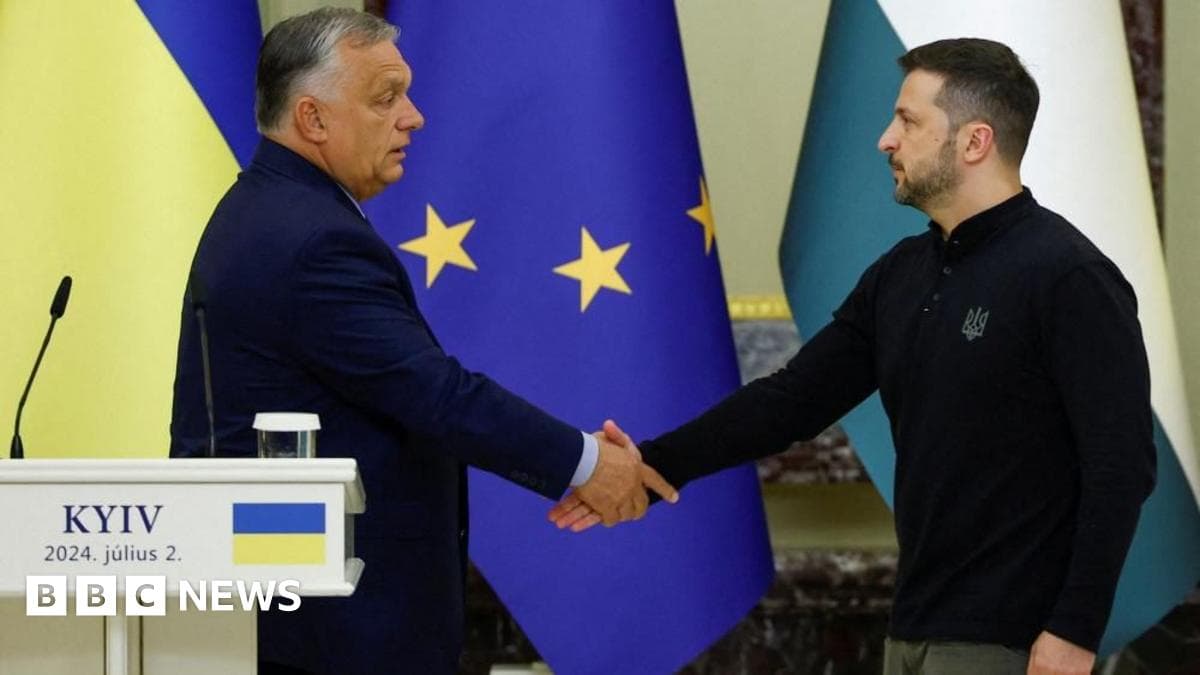
“- Published War-torn Ukraine "will stop at nothing" to prevent Prime Minister Viktor Orbán and his Fidesz party winning the upcoming Hungarian elections, the Hungarian government claims”
This deliberate attack severed the vital flow of oil through one of Europe's largest pipeline networks, immediately impacting energy supplies across multiple countries.
The pipeline, which translates to 'friendship' in Russian, has been inoperable since the bombing, creating an energy crisis that extends beyond immediate supply disruptions to broader geopolitical consequences.
The attack occurred during heightened tensions between Russia and Ukraine, further complicating the already fragile energy security situation in Central Europe.
Energy Crisis Impact
The pipeline's destruction has created immediate and severe energy security concerns across Central Europe, with Hungary being particularly vulnerable due to its heavy dependence on Russian oil imports.
The halt in oil flow has forced Hungary to seek emergency financial solutions, including securing a €1.5 billion loan from the International Monetary Fund to tide the country over until the dispute is resolved.
Energy shortages have prompted unusual security measures, including the deployment of army patrols around key energy installations - described by the government as measures to 'reassure' the public but criticized by opposition figures as attempts to 'frighten' citizens.
The disruption has also raised questions about the reliability of energy infrastructure during conflicts, particularly when transit routes pass through politically unstable regions.
Hungarian Accusations
Hungarian Prime Minister Viktor Orbán has accused Ukrainian authorities of deliberately delaying repairs to the damaged pipeline, alleging that Kyiv is intentionally seeking to deprive Hungary of oil supplies.
“- Published War-torn Ukraine "will stop at nothing" to prevent Prime Minister Viktor Orbán and his Fidesz party winning the upcoming Hungarian elections, the Hungarian government claims”
These accusations have intensified political tensions between the two neighboring countries, with Orbán using the energy crisis as a key political issue in domestic and international arenas.
The Hungarian government has leveraged the pipeline disruption to advance its political narrative, including vetoing the delivery of a crucial EU loan until the oil flow through the Druzhba pipeline is restored.
Orbán's government has also utilized the situation to bolster its domestic political position, with the Fidesz party organizing 'anti-war' assemblies and creating controversial propaganda content that portrays Hungary as under threat.
Ukrainian Response
Ukrainian President Volodymyr Zelensky has responded to the pipeline crisis by offering a timeline for restoration while acknowledging the political dimensions of the oil transit situation.
Zelensky stated that the damaged infrastructure could be back in operation within four to six weeks, though he admitted that the transit of Russian oil was being blocked for political reasons.
The Ukrainian president has also taken an aggressive stance against Hungary's political maneuvers, warning that if anyone in the European Union blocks the €90 billion in EU aid currently vetoed by Hungary, 'we will give that person's address to our armed forces so they can call on him and speak to him in their own language.'
Zelensky did not explicitly name Orbán in this threat but the implication was clear, further escalating tensions between the two nations.
Geopolitical Fallout
The Druzhba pipeline crisis has exposed deep political divisions within the European Union and highlighted the complex interplay between energy security, international relations, and domestic politics.
“- Published War-torn Ukraine "will stop at nothing" to prevent Prime Minister Viktor Orbán and his Fidesz party winning the upcoming Hungarian elections, the Hungarian government claims”
The dispute has created a diplomatic standoff between Hungary and Ukraine, with both sides leveraging energy dependencies for political advantage.
The situation has also raised concerns about the reliability of energy infrastructure during conflicts and the potential for energy supplies to be weaponized in geopolitical disputes.
Independent media outlets have questioned the government's handling of the crisis, with journalists noting that while the Fidesz government portrays an imminent threat of attack, it has not provided basic information about air-raid shelters to the public.
The pipeline bombing and subsequent political maneuvering demonstrate how energy infrastructure can become a focal point for broader geopolitical tensions, with far-reaching implications for Central European energy security and international relations.
More on Ukraine War
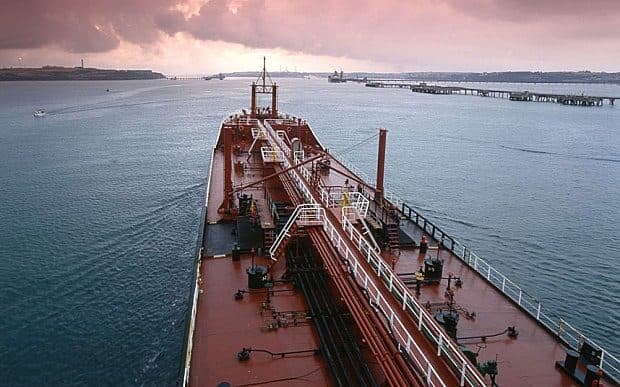
US Eases Russian Oil Sanctions Despite Allies' Warnings It Could Boost Kremlin War Chest
10 sources compared
Ukraine Strikes Bryansk Microelectronics Plant With Storm Shadow Missiles, Killing Six
13 sources compared
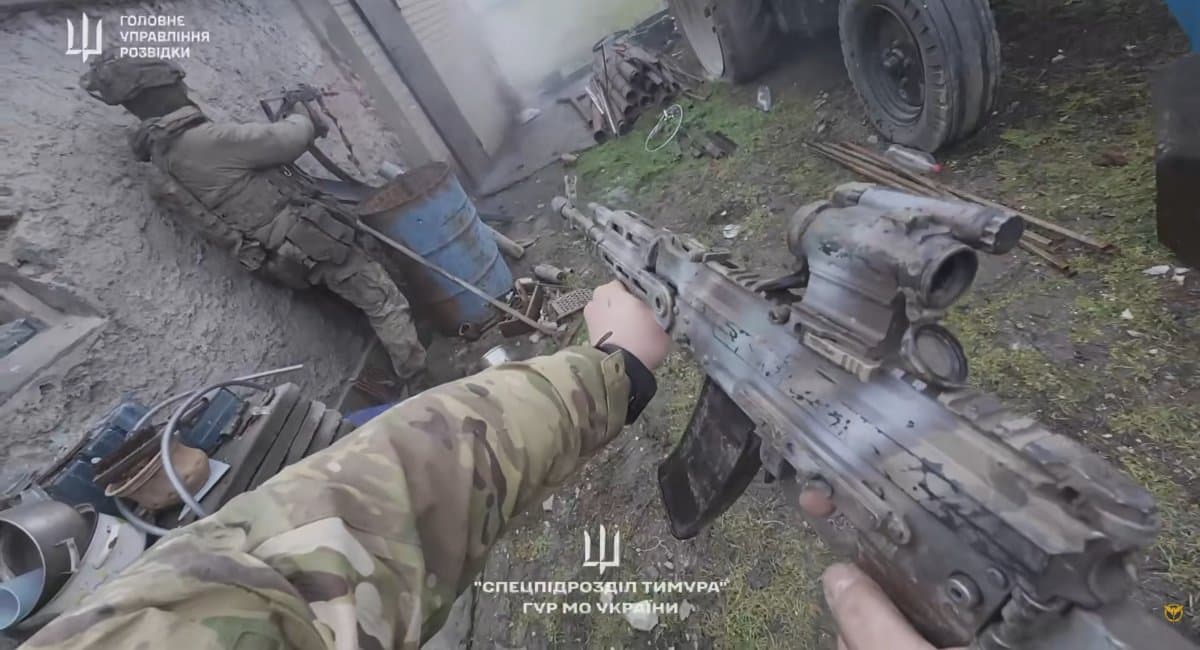
Ukrainian Forces Halt Russian Advance Toward Zaporizhzhia; HUR Claims 300 Russian Casualties
12 sources compared

Russia Kills at Least 10 in Kharkiv Apartment Missile Strike, Including Two Children
19 sources compared