Full Analysis Summary
Ukraine power grid attacks
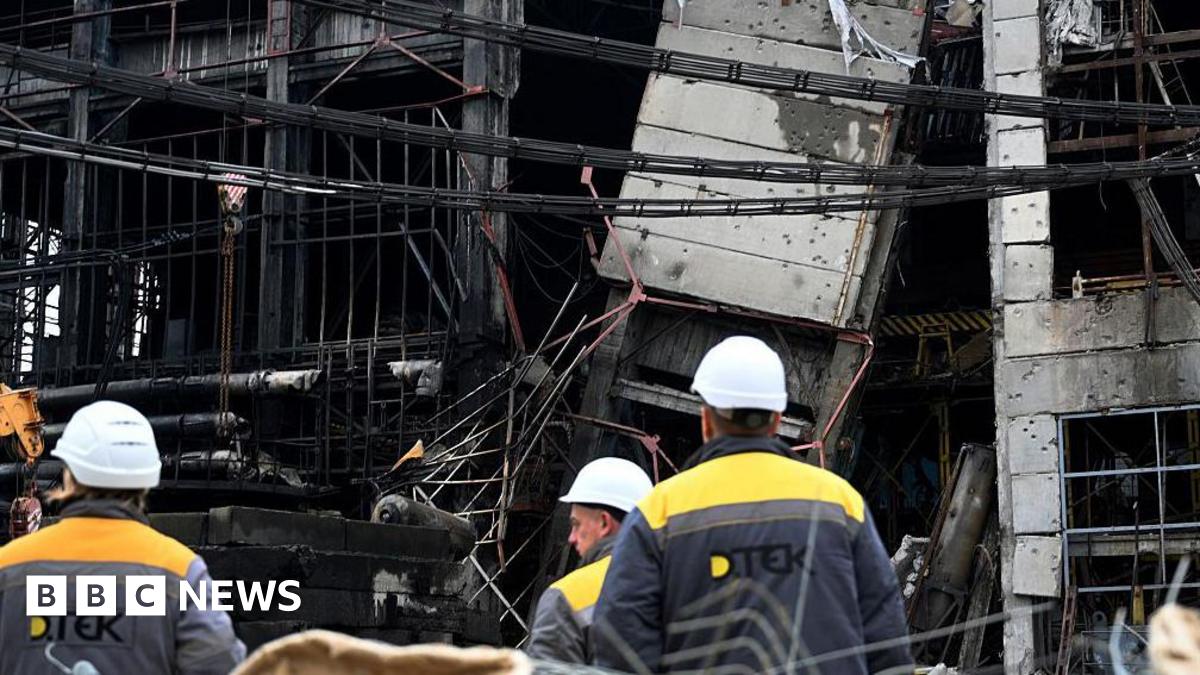
Russian attacks on Ukraine's power grid have forced nationwide electricity rationing, with supplies switched on for only a few hours each day and creating a near-constant crisis for utilities and civilians alike.
The BBC reports the strikes have come in repeated waves of drones, cruise missiles and ballistic missiles that repeatedly damage transmission infrastructure.
President Zelensky warned that Russia is using the winter cold as a weapon, and many families are sheltering in basements to stay warm and safe.
Coverage Differences
Missing comparisons / limited sourcing
Only a single source (BBC) was provided for this summary. Because no other sources are available in the supplied material, I cannot identify differences in framing, tone, or omitted facts across other 'source_type' perspectives (e.g., West Asian, Western Alternative). The statements above therefore reflect the BBC’s reporting and cannot be contrasted with other outlets.
Impact on power infrastructure
Energy companies say the assault on the transmission network places them in permanent crisis mode.
Maxim Timchenko, CEO of DTEK, which supplies power to some 5.6 million people, told the BBC that the frequency and scale of attacks leave little time for repairs, compounding logistical challenges for technicians and municipal services trying to keep heat, light and water flowing.
Coverage Differences
Missing comparisons / limited sourcing
With only BBC material available, I cannot compare how different outlets present company or official statements (for instance whether they quote Timchenko directly or frame him differently). The description here follows the BBC’s direct reporting on DTEK and its CEO’s characterization of the situation.
Effects of outages in Ukraine
The human impact is stark: large outages have left tens of thousands in cities such as Odesa without power for days, and outages also disrupt heat and water supplies.
Where power remains, people prioritize charging phones or taking showers, and families share limited electricity.
The BBC reports Ukrainians increasingly rely on power banks and generators, while residents of Kyiv follow daily power schedules to plan around cuts.
Coverage Differences
Missing comparisons / limited sourcing
Because only the BBC snippet is available, I cannot show how other outlets might emphasize different human stories, casualty figures, or governmental responses. The paragraph reflects BBC detail on outages and how people cope locally (sharing power, using generators, following schedules).
Ukraine power grid targeting
The BBC's infrastructure notes underline the strategic effect: about half of Ukraine's electricity is generated at three central and western nuclear plants.
The transmission network that carries that power has been severely damaged, limiting the ability to move generation to where it is needed and forcing rationing across wide areas.
The BBC's reporting frames the campaign as targeting transmission to compound civilian suffering in winter months.
Coverage Differences
Missing comparisons / limited sourcing
With no additional source material, I cannot contrast whether other outlets emphasize nuclear generation resilience, legal/military analyses, or humanitarian labeling (e.g., claims of 'using winter as a weapon' or other normative language). The framing above follows the BBC’s presentation of nuclear output versus damaged transmission.