Full Analysis Summary
Kyiv heating crisis
Power cuts imposed on Kyiv have driven residents into improvised emergency shelters and heated rooms as temperatures in apartments and public spaces plummet, according to reporting from El País.
Inside one apartment, temperatures fell to about 6°C.
One resident returned from a library at 3°C, and families huddle together for warmth.
The article highlights how limited heating options and damaged energy infrastructure force people to rely on candles, battery-powered radiators and hot water in thermoses.
A shopkeeper named Ludmyla sits under a blanket near a battery-powered electric radiator with a single candle for light and warmth.
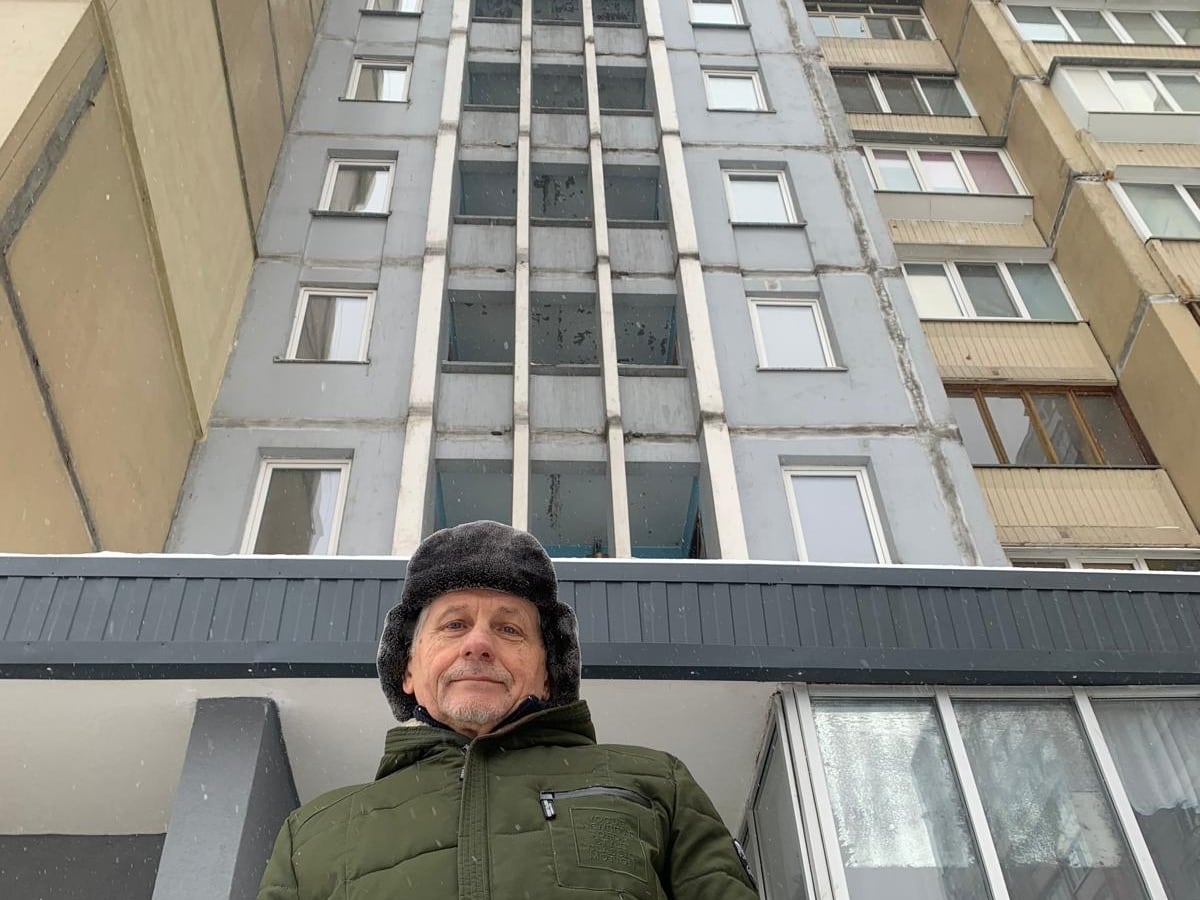
Colonel Lazebnyk keeps his cat Busya warm and uses a thermos to avoid dependence on local thermal plants.
Coverage Differences
Missed Information
Only El País (Western Mainstream) is available in the provided material; there are no alternative perspectives (e.g., Russian, Ukrainian government, West Asian, or Western Alternative outlets) in the source set. This means the article reports residents' lived conditions and quotes individuals like Colonel Lazebnyk and Ludmyla, but does not include other viewpoints or official statements from Russian or Ukrainian authorities, nor independent humanitarian agency assessments. The absence of multiple source types prevents cross-checking and comparative framing.
Power cuts and hardship
El País frames the power cuts as compounding long-term hardship.
Residents fear the conflict will last years and that basic services — electricity and heating — remain unreliable.
The article quotes Colonel Lazebnyk expressing pessimism about the conflict ending, saying 'we've had 12 years and we'll probably have more.'
It highlights structural issues like poor electrical wiring and bans on gas boilers in tall buildings that limit residents' options to stay warm during outages.
Coverage Differences
Tone
Because only El País is present, the coverage emphasizes personal testimony and bleak expectation, giving a resigned, somber tone. Without other sources, there's no contrasting optimistic or strategic government perspective, and no differing humanitarian or geopolitical framing from other source types to balance the narrative.
Winter civilian coping strategies
El País provides human details—such as care for pets and makeshift warmth strategies—that underscore the immediate humanitarian strain on civilians during winter outages.
The story notes Lazebnyk's concern for his cat Busya, who sleeps between family members for warmth.
It portrays people using hot water in thermoses or battery-powered devices where permitted, illustrating how households adapt when central heating and gas use are constrained.
Coverage Differences
Unique Coverage
El País focuses on intimate, domestic effects—pets, thermoses, candles—that may be overlooked by strategic or official reporting. Absent alternative sources, we cannot compare whether other outlets emphasize military justification, infrastructure damage attribution, or international responses; El País instead foregrounds civilian coping measures.
Report lacks context
Because the dataset contains only this El País report, key context is missing: the snippet provides no explicit attribution of the cuts to Russian state orders or to military operations, nor any statements from Kyiv officials, emergency services, or international aid agencies.
The El País excerpt instead focuses on residents' experiences and infrastructure constraints and does not present alternate claims or official explanations for the outages.
Coverage Differences
Missed Information
El País reports on effects and residents' testimony but does not, in the provided excerpt, present official attribution or responses; because alternative sources are not available in the provided set, we cannot determine whether other outlets would attribute responsibility to specific actors or offer differing casualty, infrastructure, or policy details.
Kyiv outage reporting assessment
El País reports vivid personal stories documenting severe winter hardship after power outages in Kyiv.
The report lacks corroborating perspectives from other source types, which limits comparison of narration, attribution, and policy responses across Western mainstream, Western alternative, and regional outlets.
A fuller account should include official statements, technical assessments of infrastructure damage, and humanitarian agency reports to verify causation and scale.
Coverage Differences
Narrative Framing
El País (Western Mainstream) frames the story around human-interest detail. Without access to other source types, we cannot show how alternative outlets might frame cause, responsibility, or broader geopolitical implications; thus the dataset's single-source composition shapes and constrains the narrative presented here.