Russia02 January, 20263 min read
Russia Demands U.S. Stop Pursuit of Sanctioned Venezuela-Linked Tanker
This article is an automated aggregation of coverage from news outlets. Our editorials offer in-depth analysis curated by the NewsCord team.
U.S. forces have pursued the tanker Bella 1 across the Atlantic for nearly two weeks Crew painted a Russian flag and claimed Russian nationality to evade U.S. boarding

13 outlets told this the same way.
Tanker standoff sparks diplomatic clash
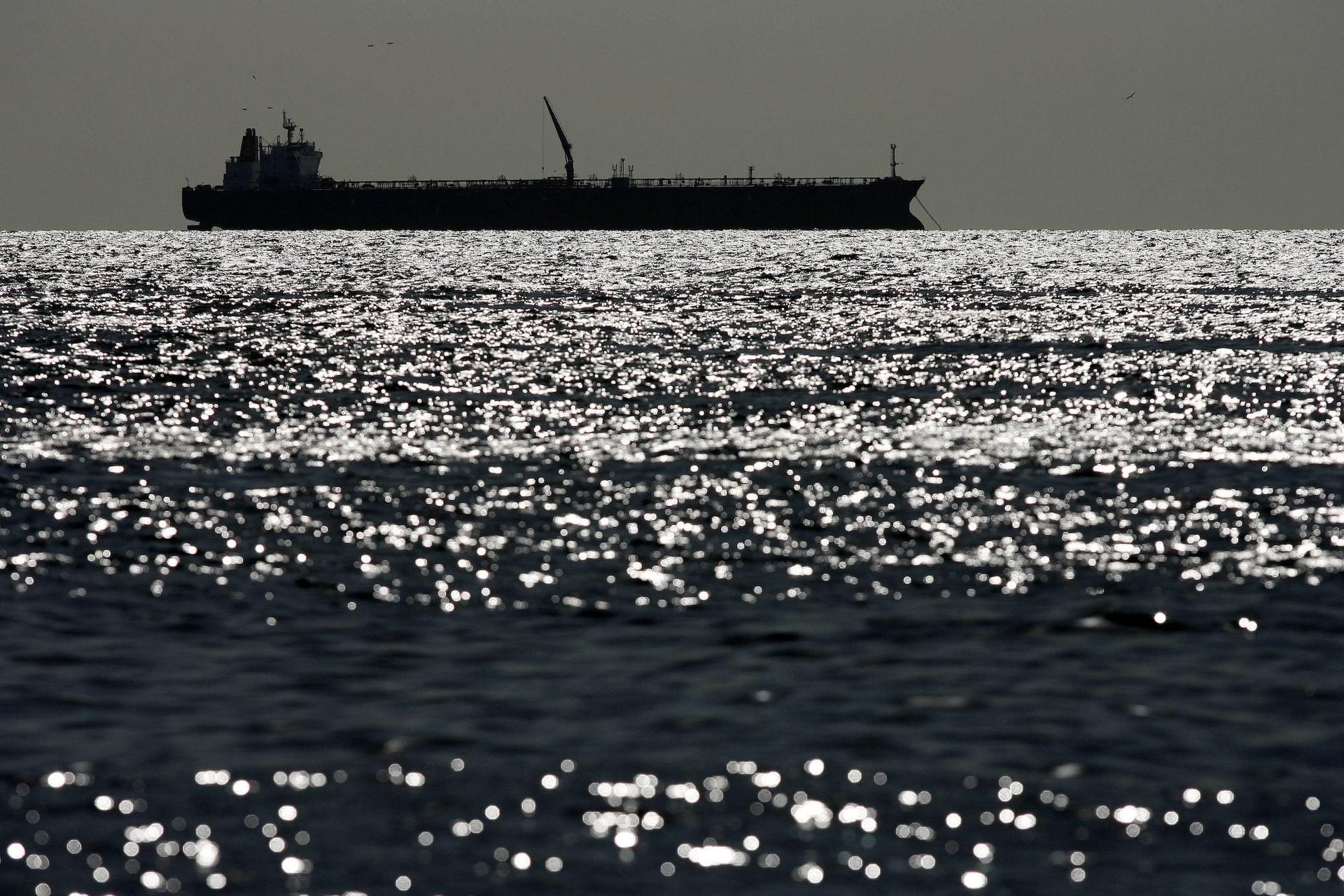
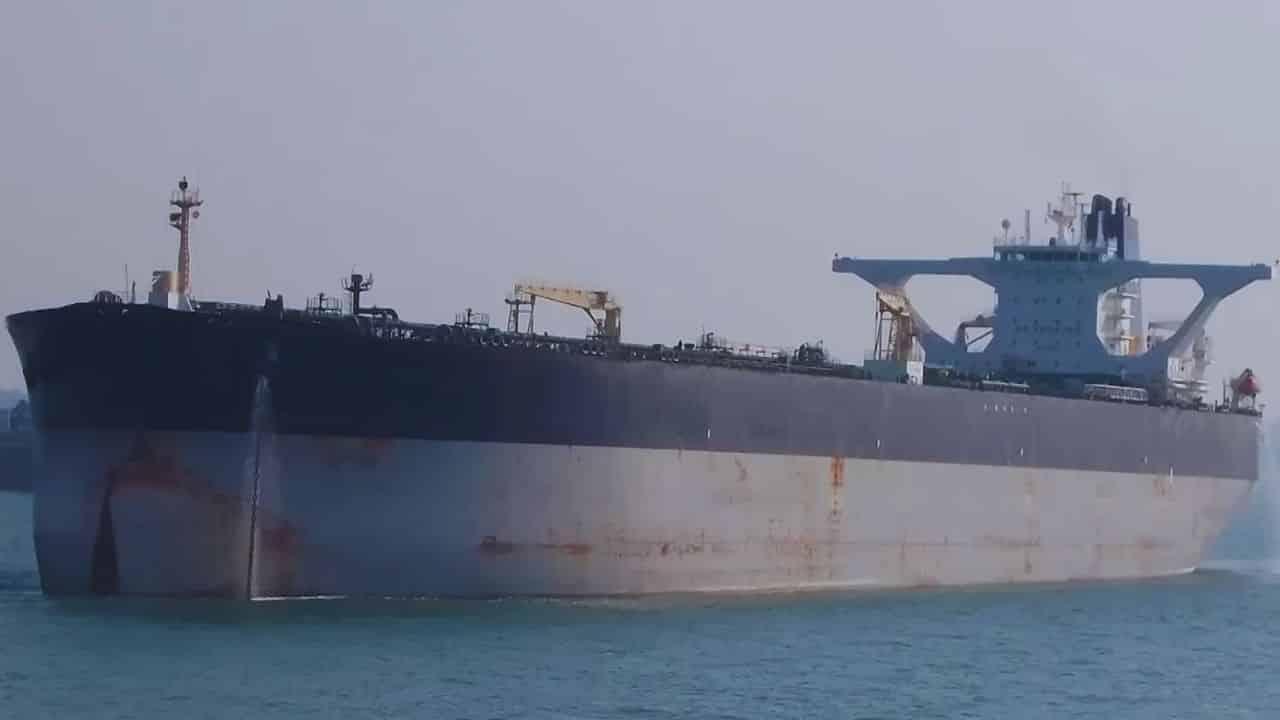
A standoff over the tanker initially known as Bella 1 — later recorded in tracking data and some registers as Mariner/Marinera — has produced a diplomatic clash between Washington and Moscow.
“The crew ... repainted a Russian flag on the hull—apparently to claim Russian protection.”
The clash unfolded after U.S. Coast Guard units attempted to intercept and board the vessel in the Caribbean Sea.

The crew then asserted Russian affiliation by repainting a flag and appearing on Russia's ship register.
Russia delivered a formal diplomatic demarche on New Year's Eve asking the United States to stop pursuing the ship.
U.S. officials say the vessel was operating without a valid national flag and that they hold a seizure warrant tied to its prior involvement in Iranian oil transfers.
The episode has played out publicly in tracking data and registries even as U.S. officials continue to describe enforcement efforts and Russia presses for an end to the pursuit.
Bella 1 boarding dispute
U.S. officials say the Coast Guard sought to board Bella 1 after determining the ship lacked a legitimate national flag. They say a vessel without a valid flag is considered stateless and may be seized under international law, and they obtained a warrant citing the ship's ties to Iranian oil shipments. The crew refused to comply with the boarding, prompting the vessel to turn and later claim a Russian flag.
U.S. officials continue to characterize the original encounter as involving a false flag and maintain their authority to seize the ship. Coverage uniformly reports the boarding attempt and the U.S. legal rationale, though outlets differ on how firmly they treat the legal outcome as settled.

U.S. actions on Venezuela oil
Analysts and regional reporting place the Bella 1 case within a broader U.S. effort to disrupt Venezuela-linked oil shipments and the 'shadow' or 'ghost' fleets that move sanctioned crude.
“Recent actions include a higher-risk boarding of the tanker Bella 1 and earlier operations that seized M/T Skipper on Dec. 10, 2025 (reportedly laden with about 1.8 million barrels) and stopped the tanker Centuries.”
Recent U.S. operations cited include a 'higher-risk boarding' of Bella 1, the Dec. 10 seizure of M/T Skipper (reportedly carrying about 1.8 million barrels), stoppages of other tankers, and OFAC designations of companies and vessels described as part of a 'shadow fleet'.
Those measures target not only PDVSA but also intermediaries — ship managers, owners, and trading firms — that enable the shipments.
U.S. policy appears aimed at physically disrupting logistics rather than only announcing penalties.
Russia-US maritime dispute
Moscow's formal note demanded an end to the pursuit and was described by some outlets as an accusation of 'piracy under a legal pretext.' U.S. officials insist the initial encounter involved a false flag and continue to treat the ship as subject to seizure.
It remains unclear whether Moscow's demarche or registry entries will legally or operationally halt U.S. interdiction. Reporting across mainstream and alternative outlets notes both the formal protest and the Trump administration's ongoing enforcement posture and diplomacy with Russia, leaving the ultimate outcome ambiguous.
Maritime commercial disruption
Beyond the immediate tug-of-war over Bella 1, industry observers warn of operational knock-on effects. Insurers, banks and service providers face rising legal and commercial risk. Some tankers are remaining docked or disabling trackers.
“The U.S. framework blocks designated property under U.S. control and generally prohibits U.S. persons from transacting with designated parties, increasing legal and commercial risk for banks, insurers, and service providers.”
Venezuela has ordered naval escorts and even considered placing troops aboard vessels. These developments signal both commercial disruption and increased risk of maritime incidents in a contested enforcement environment.