Russia30 December, 20252 min read
Russia Deploys Nuclear-Capable Oreshnik Missiles in Belarus, Extending Strike Threat Across Europe
Analysts identified Oreshnik mobile missile launchers at a former Krichev airbase in Belarus Oreshnik is a hypersonic, nuclear-capable intermediate-range missile system extending Russia's strike reach into Europe

51 outlets told this the same way.
Missile deployment in Belarus
Satellite-imagery researchers and independent analysts report that Russia has begun positioning its new nuclear-capable Oreshnik hypersonic missile systems at a former airbase near Krichev in eastern Belarus. Analysts expressed roughly 90% confidence that mobile launchers are present. Multiple teams using Planet Labs imagery identified features consistent with a strategic missile site, including rapid construction, a rail transfer point, and a camouflaged concrete pad.
“U.S. researchers analyzing Planet Labs commercial satellite imagery say Russia has begun deploying nuclear-capable Oreshnik hypersonic missiles at a former airbase near Krichev in eastern Belarus, a move they call a notable shift in Moscow’s nuclear posture just weeks before the 2010 New START treaty expires.”
They flagged the timing as significant because it comes weeks before the New START treaty's expiration. Belarusian officials and Moscow have publicly acknowledged deployments, while U.S. and Western analysts have circulated technical assessments of the site and launcher numbers.

Oreshnik system overview
Open-source and media accounts describe the Oreshnik as a hypersonic, intermediate-range system that Moscow says is capable of carrying a nuclear warhead. They report it travels at speeds above Mach 10 and reaches distances of roughly 5,500 km, figures repeated across Western and Asian outlets.
Analysts note the system was tested in a conventional configuration in November 2024. Satellite-site features, including rail access and concrete pads, align with mobile launcher basing rather than fixed silos and shape assessments of how many launchers the identified site can host.
Deployment and Western Response
Moscow and Minsk present the deployment as a defensive response to Western actions. Western analysts characterize it largely as political signaling.
“Belarusian president Alexander Lukashenko, a close Putin ally, announced the deployment and said it would 'make him strong.'”
Belarusian president Alexander Lukashenko and the Belarus defence ministry announced the systems' arrival, with Lukashenko saying the deployment would "make him strong," and Minsk released footage showing mobile launchers under camouflage. Analysts from Chatham House and other Western institutions warn the move is intended to extend Russia's strike reach and increase pressure on European capitals rather than to create a decisive new operational capability.
Debate over deployment impact
Analysts differ on the deployment’s actual military impact. Some experts say it is primarily a strategic and political signal, with The War Zone arguing forward-basing may not greatly change NATO’s technical threat calculus because the infrastructure remains close to Russia and some trajectories limit targeting options.
Other analysts contend the basing effectively extends Russia’s strike reach into Europe for the first time since the Cold War and increases escalation risks. Estimates of launcher numbers also vary: U.S. analysts and open-source researchers suggest the site could host roughly three launchers, while Belarusian and Russian statements claim up to ten.

Deployment and escalation risks
The deployment comes amid heightened tensions and sensitive diplomatic activity, and observers warn it raises escalation risks and complicates the arms-control context. Sources link the timing to the New START expiry and to Western plans for conventional intermediate-range systems in Europe. Ukrainian officials called the move a dangerous precedent and urged allies to respond.
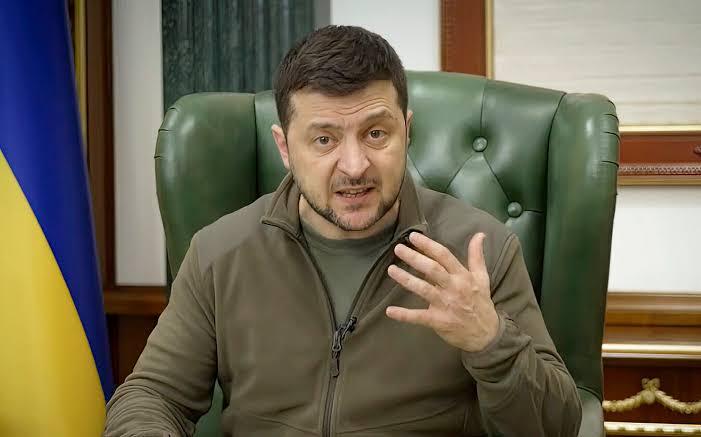
“Ukrainian President Volodymyr Zelensky called the potential deployment a dangerous precedent, said Kyiv has shared precise location data with Western allies, warned ordinary drones would struggle to destroy such missiles, and urged economic pressure on their production.”
Independent reporting highlights contested Russian claims about a separate alleged drone attack on Putin’s residence, an accusation Ukraine denies and that several outlets say lacks verifiable public evidence. Commentators say the net effect is increased political pressure on Europe and an intensified debate about how to respond without provoking escalation.
