Ukraine War03 January, 20263 min read
Russia Destroys Kharkiv Apartment Block, Kills Mother and 3-Year-Old in Missile Strike
This article is an automated aggregation of coverage from news outlets. Our editorials offer in-depth analysis curated by the NewsCord team.
Russian missile strike destroyed a multi-storey residential apartment block in Kharkiv A mother and her three-year-old son were killed in the strike
7 outlets told this the same way.
Kharkiv residential strike
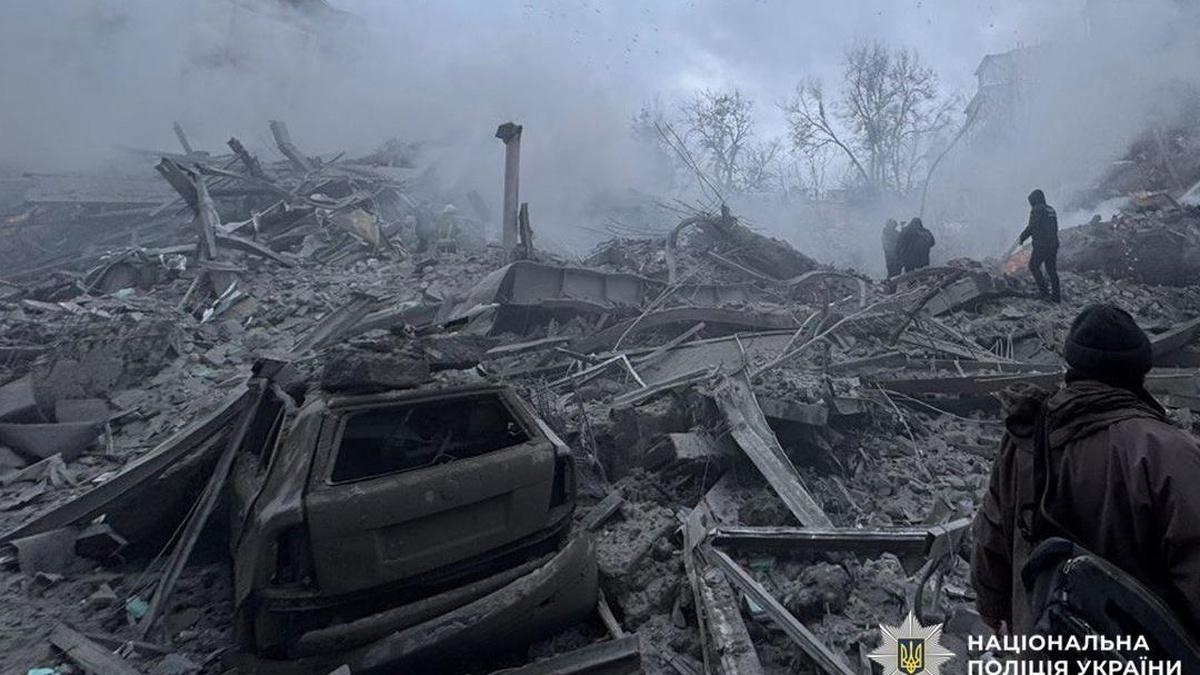
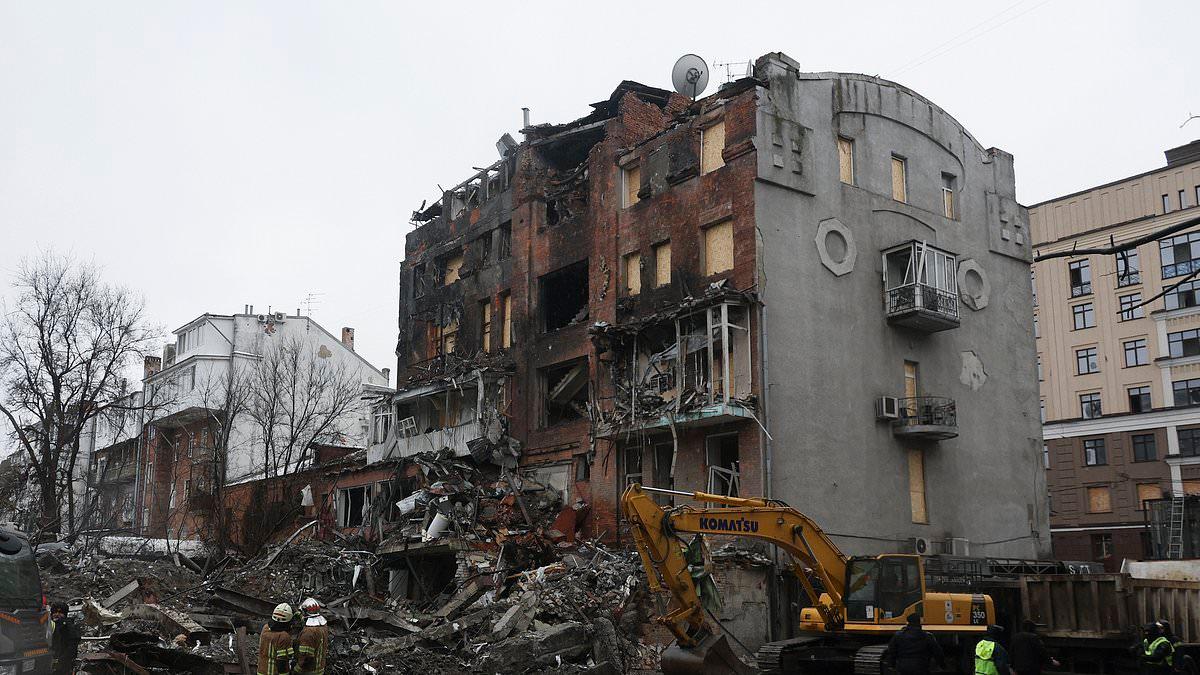
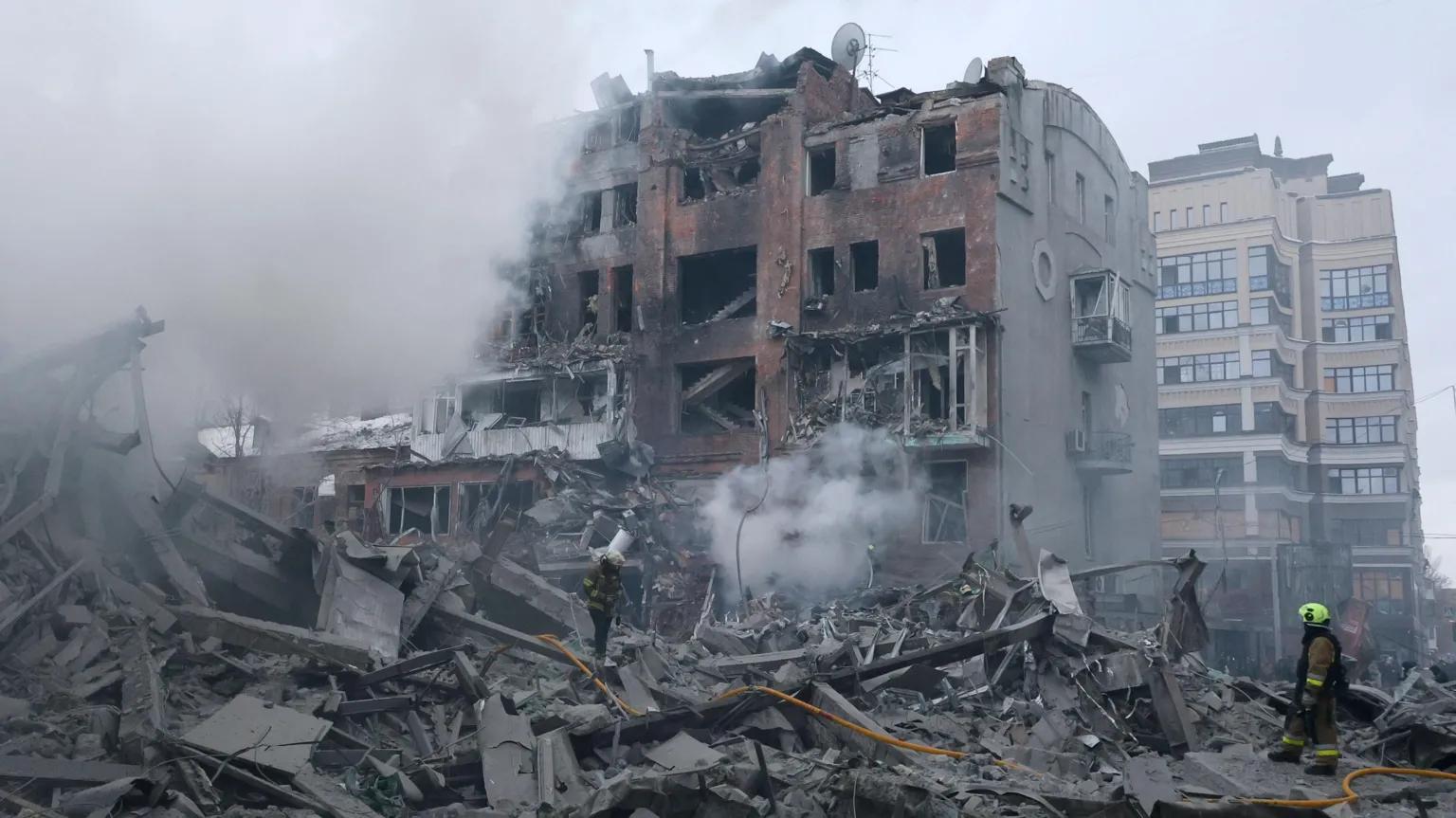
On 3 January a multi-storey residential building in Kharkiv was devastated in a missile strike that rescuers say killed at least two people, including a three-year-old child, and left dozens wounded. Daily Mail reported a Russian ballistic missile strike destroyed a tower block, killing a 22-year-old woman and her three-year-old son and leaving dozens more injured, and noted the Kharkiv regional military administration gave a separate toll of 28 injured. Ynews.digital and the BBC both reported that the strike killed at least two people, including a three-year-old, and about 28 others were injured.
“A Russian ballistic missile strike destroyed a tower block in Kharkiv on 3 January, killing a 22-year-old woman and her three‑year‑old son and leaving dozens more injured.”
India News Network likewise said two people, including a three-year-old boy, were killed and about 28 wounded. Букви reported emergency teams working at the scene and said the death toll had risen to two, with earlier State Emergency Service figures of 31 wounded. These accounts consistently describe extensive destruction and multiple civilian casualties but differ slightly on the precise toll and age details as the rescue effort continued.

Conflicting attack claims
Ukrainian leaders and officials blamed Russian forces. Moscow’s defence ministry denied responsibility and offered alternate explanations. President Volodymyr Zelensky is quoted across multiple outlets calling the attack "heinous" and accusing Russian forces of deliberately targeting civilians.
Daily Mail, ynews.digital, BBC and India News Network all report Zelensky's condemnation. Russia’s Defence Ministry is reported as disputing the account. Daily Mail and ynews.digital say Moscow claimed the blast was caused by "detonating Ukrainian ammunition" and denied launching missiles or aircraft.
The BBC reports the ministry suggested footage showed a "pre-existing fire or ammunition detonation by Ukrainian forces." These are direct contradictions in attribution: Ukrainian officials and the reporting outlets attribute the strike to Russian missiles, while Russia’s defence ministry denies launching strikes and points to other causes.
Rescue operations and claims
Search-and-rescue operations continued through the afternoon and evening, with footage and local reports showing smoke, emergency crews and volunteers working amid collapsed concrete. Ynews.digital and the BBC reported rescue teams and more than 80 volunteers searching the rubble, and the Daily Mail said footage showed smoke and emergency crews searching the ruins. India News Network and Букви reported that rescuers recovered the bodies of a woman and a child who may have been mother and son.
“Footage showed smoke and emergency crews searching the ruins.”
Букви added that the State Emergency Service earlier gave a higher wounded count of 31. Ukraine’s prosecutor alleged Russian strikes with Iskander missiles on January 2 destroyed a five-story building and damaged another block. These details underline both the human response on the ground and, in Букви's reporting, additional claims about weapon types and earlier related strikes.
Media framing of strike
The strike was reported in the run-up to international diplomacy over the war, but outlets frame those events differently. The Daily Mail placed the attack ahead of a Paris summit of 35 countries — a 'coalition of the willing' to discuss stopping further Russian incursions, and even quoted former US president Donald Trump as saying he was not thrilled with Putin. The BBC and India News Network situate the incident around US-brokered peace talks in Kyiv involving about 15 countries plus EU and NATO representatives, with a US delegation joining by video and leaders due to meet in France on 6 January.
Ynews.digital likewise notes Kyiv was preparing to host high-level talks. Букви, while covering the immediate aftermath, emphasizes Ukrainian and international statements describing such strikes as potential war crimes. These differences show variation in emphasis: some outlets foreground the diplomatic calendar and geopolitical framing, while others add legal or war-crime context or off-topic political remarks.
Reporting on disputed strike
Independent verification of competing claims is lacking, and several outlets note uncertainty. The BBC says casualty figures from both sides have not been independently verified, and ynews.digital repeats that the BBC could not independently verify claims from either side. Daily Mail reports Ukrainian accounts alongside Moscow's defence ministry assertion that the blast was caused by detonating Ukrainian ammunition, and India News Network repeats the denial and references pre-incident footage.
“The BBC said it could not independently verify claims from either side.”
Букви reports official Ukrainian allegations, including an Iskander strike claim, and Moscow's denials, and it characterises some strikes as potential war crimes according to Ukrainian and international organisations. Taken together, the sources describe a deadly strike and rescue efforts while also showing clear ambiguity over cause and responsibility because independent confirmation is not available.
