Russia06 February, 20262 min read
Russia Detains Two Over Attempted Assassination Of Intelligence General Alekseev
Lt. Gen. Vladimir Alekseyev, GRU deputy head, was shot several times and hospitalized in Moscow Russian authorities detained two suspects and opened an attempted‑murder criminal probe

60 outlets told this the same way.
Attack on GRU deputy
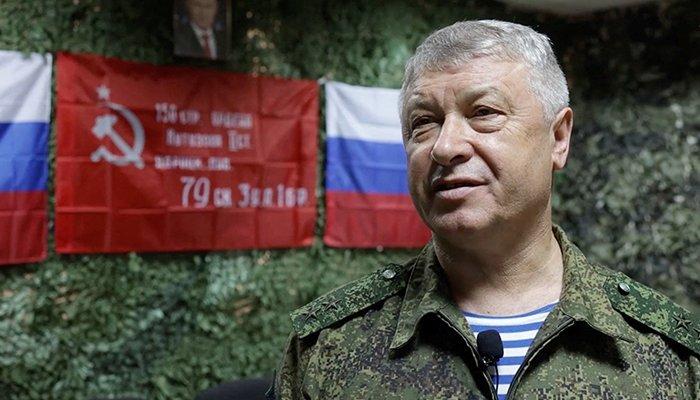
On Feb. 6, Russian military intelligence’s deputy chief was shot several times in the stairwell of a northwest Moscow apartment block and hospitalized with serious wounds, authorities said.
“Russian military intelligence chief Gen. Vladimir Alekseyev, 64 and the longtime first deputy head of the GRU, was shot several times in the stairwell of an apartment building in northwest Moscow on 6, 2026.”
He was widely reported as Lieutenant General Vladimir Alekseyev, with outlets using different spellings of his name.
Investigators opened an attempted‑murder probe, cordoned off the building, and began reviewing CCTV and witness statements while the attacker fled the scene, according to multiple reports.
President Vladimir Putin was briefed and security for senior officers was ordered increased.
Western and regional outlets emphasized Alekseyev’s senior role in the GRU, his sanctions by the U.S. and EU, and his involvement in operations in Syria and Ukraine.
Attack and investigation summary
Reports say the attack occurred as Alekseyev left his home. Some outlets say the assailant posed as a delivery worker or cleaner before firing multiple rounds in a stairwell. He was wounded in an arm, a leg and the chest during a struggle in which he reportedly tried to disarm the attacker.
The attacker then fled. Investigators were seen at the scene reviewing CCTV footage and interviewing witnesses. Authorities opened criminal proceedings for attempted murder and related charges.

Kremlin response to shooting
Moscow’s official reaction was quick and politically charged. The Kremlin said President Putin was briefed and security services opened an investigation. Foreign Minister Sergey Lavrov publicly blamed Ukraine and called the shooting a 'terrorist act' intended to sabotage talks.
“Foreign Minister Sergey Lavrov called the incident an apparent 'terrorist act' by Ukraine, and Russia has blamed Kyiv for a recent string of killings of senior officers; Ukrainian authorities had no immediate comment.”
Kyiv has denied the claim or, in many outlets, not commented. Several reports noted that Lavrov offered no publicly presented evidence linking Ukraine to the attack. Western outlets also reported that investigators had not attributed responsibility when publishing initial coverage.
Pattern of targeted killings
Analysts and many outlets placed the shooting in a broader pattern: since late 2024, a string of assassination-style attacks and killings has targeted senior Russian military and security figures in or near Moscow. Observers note some of those incidents have been claimed by Ukrainian groups, while Russian authorities often point at Kyiv.
Alekseyev himself is repeatedly described as a sanctioned GRU figure with ties to Wagner, credited with negotiating with Yevgeny Prigozhin in 2023 and with leading GRU operations in Syria and Ukraine. All of this context underscores why his targeting would carry strategic and symbolic weight.
Unverified detention reports
Some reports, citing Kommersant and later carried by other outlets, said two suspects would soon be interrogated or were expected to be questioned. However, multiple other outlets and official statements did not confirm arrests and emphasized that the attacker remained unidentified.
“Kommersant reported two suspects 'will soon be interrogated' and then charged, though it did not confirm their detention and Russia has made no official detention announcement.”
In short, claims about two detentions remain unverified in the publicly available sourcing. A handful of outlets reference imminent interrogations, while broader initial coverage records only an active manhunt and ongoing investigative steps.