Ukraine War01 January, 20262 min read
Russia Hands U.S. Drone Remnants, Accuses Ukraine Of Attempting To Strike Putin's Residence
Russian defence ministry released footage and handed alleged drone wreckage to a U.S. military attache. Moscow claimed Kyiv launched about 91 long-range drones targeting Putin's Novgorod-area residence.

88 outlets told this the same way.
Outlets did split on Russian Attack Kills At Least 33 On Two Buses In Kramatorsk →
Alleged drone strike on Putin
On Dec. 28–29, Russian officials said they had recovered drone wreckage and handed parts to U.S. personnel, accusing Ukraine of attempting a targeted strike on President Vladimir Putin’s Novgorod/Valdai residence.
“Russia says Ukraine attempted to strike President Vladimir Putin’s Valdai residence with more than 90 drones, releasing a map and video it says show flight paths and a downed unmanned aircraft and claiming many were intercepted hundreds of kilometers from Valdai—without explaining how it concluded the drones were headed for Putin’s home.”
A senior Russian military official, Admiral Igor Kostyukov, said he handed what he described as part of a downed Ukrainian drone to a U.S. military attache and claimed navigation data proved the device was headed for Putin’s home.

Russia’s Defence Ministry released maps and footage it said showed flight paths and a downed unmanned aircraft after what it described as a mass UAV launch.
Moscow publicly framed the episode as a "personal" and "terrorist" attack aimed at the president and said dozens—variously reported as many as 91—of long‑range drones were intercepted with no casualties or damage.
Drone incident evidence and response
Moscow's public evidence included night-time footage of a damaged fixed-wing drone lying in snow. An officer displayed fragments and the Defence Ministry released a short map. Officials and state outlets identified parts they said came from a Chaklun-V drone carrying a roughly 6-kg explosive that reportedly failed to detonate.
Russian spokesmen framed the episode as meticulously planned and aimed at a high-value target. Foreign Minister Sergei Lavrov used incendiary language, and the Defence Ministry reported varying tallies of intercepted UAVs.

Reactions to Kremlin claim
Kyiv and many Western officials immediately rejected the Kremlin's account. Ukrainian spokespeople called the claim a fabrication intended to disrupt nascent diplomacy after recent U.S.-Ukraine contacts.
“U.S. intelligence — including a CIA assessment briefed to President Trump by DNI John Ratcliffe — concluded Ukraine did not target Vladimir Putin or his residences in a recent alleged drone incident, contradicting Moscow’s account that dozens (later 91) of Ukrainian drones were intercepted near Putin’s Novgorod residence and that fragments were recovered; Kyiv and many European officials dismissed Russia’s claims as disinformation, Moscow warned it would rethink negotiations, and Trump, who initially echoed Russia, expressed greater skepticism after the CIA briefing.”
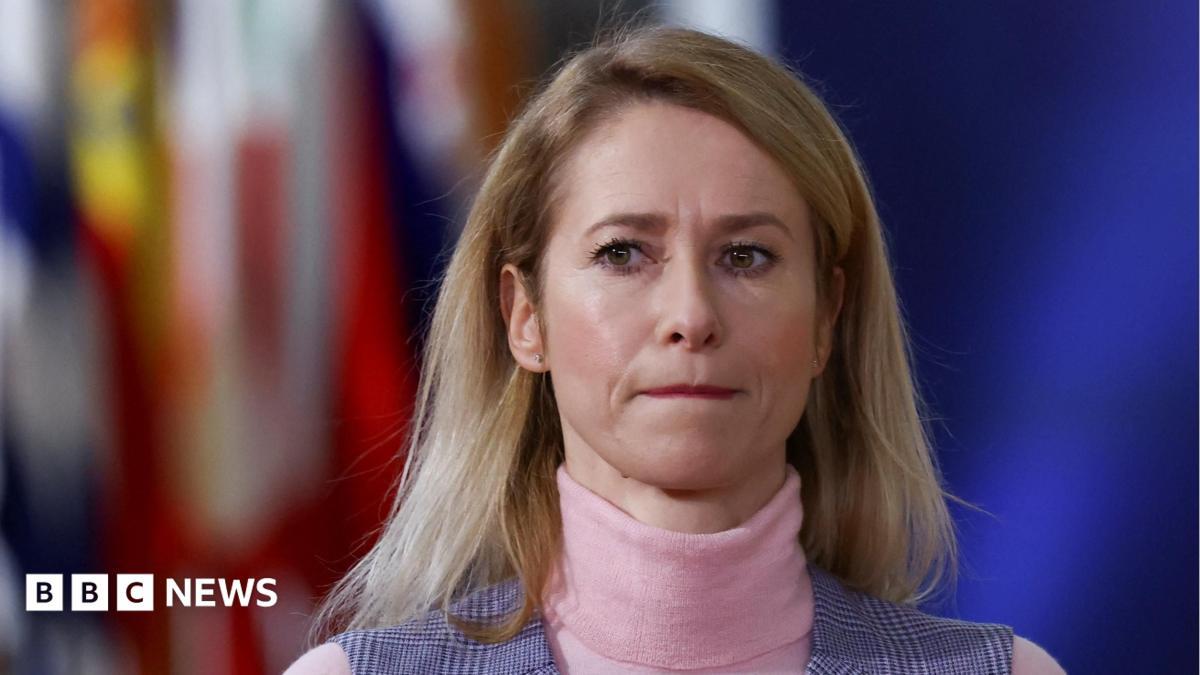
EU officials urged caution, with EU foreign-policy chief Kaja Kallas calling the episode a deliberate distraction. U.S. national security sources and reporting in outlets like The Wall Street Journal and Moneycontrol said a CIA assessment briefed to President Trump concluded there was no evidence Ukraine targeted Putin or his residences.
Doubts over Valdai strike
Independent analysts and some Western media reporters have underscored the lack of open, verifiable evidence for a Ukrainian deep strike on Valdai. Think-tank and open-source reviewers noted there were no corroborating air-defence radar traces publicly released and few independent videos or satellite images. Some witnesses in local areas reported hearing no mass intercepts, and commentators warned the claim could be used as diplomatic leverage, with outlets from The Telegraph and Le Monde and the Institute for the Study of War suggesting it may aim to harden Moscow's negotiating stance rather than prove a clear operational fact.
Diplomatic fallout and reactions
Beyond immediate fact‑checking, the episode has clear diplomatic stakes. Moscow warned it might reassess its negotiating stance. Several analysts warned the timing could be aimed at undermining a nascent U.S.-led peace process.
“A news report says that after a positive meeting between Ukrainian President Volodymyr Zelenskyy and U.S. President Donald Trump, Russia made unsubstantiated allegations — widely seen as an attempt to derail ongoing peace talks. Russian Foreign Minister Sergey Lavrov said Moscow would review its position on the peace process.”
Kyiv says the allegations are a fabrication timed to derail talks. EU officials urged caution.
U.S. contacts were reportedly briefed on a CIA assessment that found no indication Kyiv targeted Putin. This mix of reactions has deepened uncertainty about whether the incident will affect negotiations.