Ukraine War05 February, 20263 min read
Russia Has Killed 55,000 Ukrainian Soldiers in Four-Year Invasion, Zelensky Says
This article is an automated aggregation of coverage from news outlets. Our editorials offer in-depth analysis curated by the NewsCord team.
55,000 Ukrainian soldiers killed since Russia's full-scale invasion. Count includes both professional soldiers and conscripts.

7 outlets told this the same way.
Ukraine casualty update
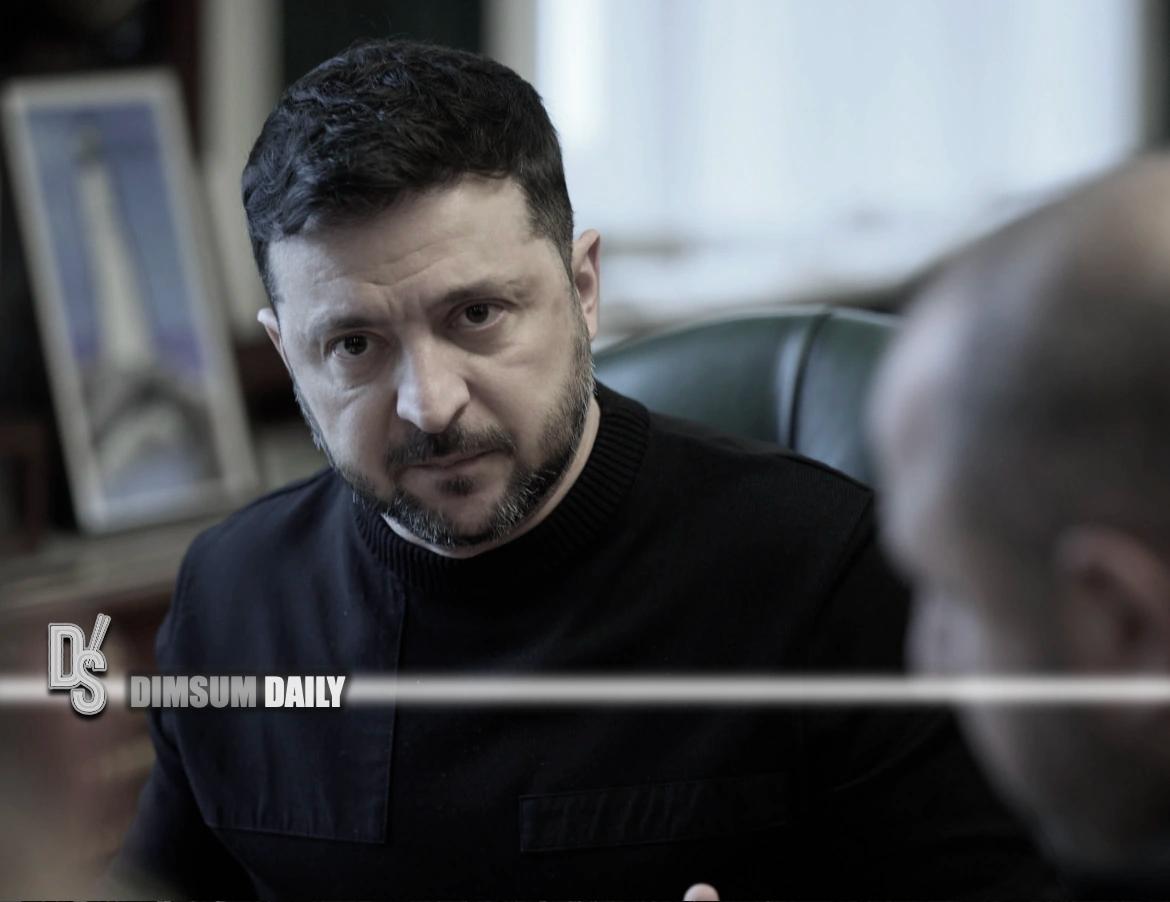
Ukrainian President Volodymyr Zelensky said in a recent interview that 55,000 Ukrainian soldiers have been killed since Russia's full-scale invasion began in February 2022. He said a "large number" more remain missing. Multiple outlets reported the disclosure, with Dimsum Daily saying Zelensky announced the figure on 5 February 2026 and warning the toll excludes many others.
“Ukrainian President Volodymyr Zelensky said on 5 February 2026 that 55,000 Ukrainian soldiers have been killed in the four-year war with Russia — the first official update since he gave a 43,000 figure in December 2024. He warned the official toll excludes many others, with a large number registered as missing.”
WION and tag24 reported Zelensky told a French broadcaster (France 2) about the 55,000 deaths. ABC News likewise reported the 55,000 figure and noted a "large number" were missing. The announcement is notable because both Kyiv and Moscow rarely publish contemporaneous casualty breakdowns for their own forces, making this a rare official update from Ukraine's leadership.

Disputed battlefield casualty estimates
The 55,000 figure sits alongside a wide range of independent estimates and competing tallies that highlight uncertainty about battlefield losses. Western tabloid and mainstream outlets reference U.S. think‑tank and independent counts. Tag24 cites a January CSIS estimate that put Ukrainian casualties at 500,000–600,000 (including 100,000–140,000 dead) and Russian losses at about 1.2 million (325,000 dead).
ABC News noted a CSIS estimate that Ukrainian deaths could be as high as 140,000 and Russian deaths up to 325,000. İlke Haber Ajansı adds that Ukraine’s General Staff reported about 1,243,070 Russian casualties (killed, wounded, missing and captured) while independent verifications (Mediazona/BBC) have confirmed 168,142 Russian deaths. Those disparities underscore how different methodologies and incomplete official reporting produce far-ranging totals.
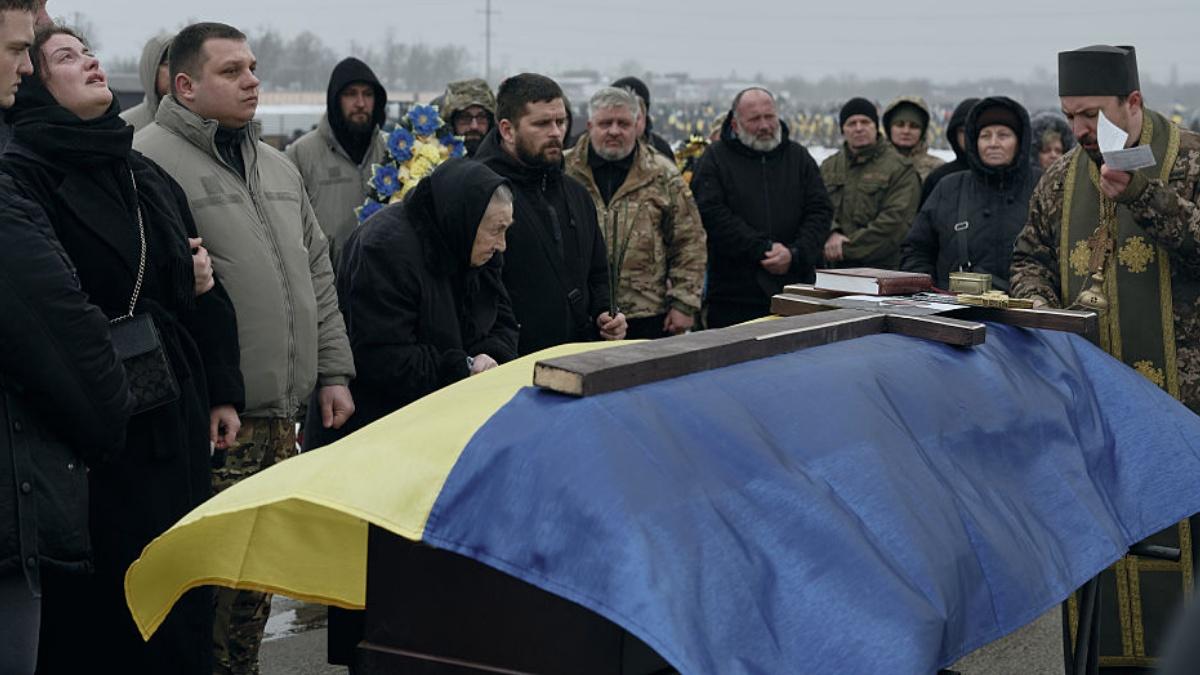
Missing persons and diplomacy
Reporting covers deaths, missing-persons tallies, prisoner exchanges, and diplomacy. Dimsum Daily reports Ukraine's interior ministry recorded more than 70,000 people, both soldiers and civilians, as officially missing about six months ago. The outlet also says U.S. envoys Steve Witkoff and Jared Kushner held trilateral talks in Abu Dhabi that produced an agreement to exchange 314 prisoners of war.
“Ukraine’s interior ministry had recorded more than 70,000 people (soldiers and civilians) as officially missing about six months ago, though no detailed breakdown was provided.”
Dimsum Daily adds that 157 Ukrainians were confirmed returning home as part of that swap. WION also reports the envoys met in Abu Dhabi but characterizes the talks as tense.
ABC described the U.S.-brokered talks as detailed and productive. Overall, the reporting agrees on the basic events but different outlets emphasize either the numbers, the tone of diplomacy, or the operational details.
War context and casualty warnings
Reporting situates the disclosure within the broader character of the war and Zelensky's warnings about future risks. ABC frames the conflict as a 'grinding war of attrition' along roughly 1,000 km of front lines with long-range strikes and rising civilian harm. Human Rights Watch reported a 31% increase in Ukrainian civilian casualties, and the U.N. put nearly 15,000 civilians killed through last December.
İlke records Zelensky's warning that a full Russian attempt to seize all of eastern Ukraine would cause far heavier Russian losses, estimating another 800,000 Russian soldiers and at least two years of fighting. Tag24 adds that since 2025, Ukraine says it has received over 16,500 bodies from Russia through formal exchanges, underscoring the human cost and the vivid, ongoing toll.
Ukrainian casualty reporting
Overall, the sources agree on the headline: a Ukrainian leader announced a 55,000-soldier death toll and emphasized many remain missing, while diplomacy and prisoner exchanges continue alongside persistent reporting gaps. They diverge in emphasis: some outlets (ABC, Dimsum Daily) stress the rarity and official nature of the update and contextual civilian tolls and diplomacy; WION stresses the pattern of reciprocal under-reporting and a tense diplomatic tenor; and tabloid/aggregator outlets (tag24) foreground larger independent estimates and concrete exchange tallies. Because methodologies, timeframes and state transparency differ, the exact human toll remains ambiguous and contested in public reporting.
“Human Rights Watch reported a 31% increase in Ukrainian civilian casualties last year versus 2024, and the U.N. says nearly 15,000 civilians have been killed and just over 40,000 injured through last December.”