Full Analysis Summary
Sources and limitations
This article is based solely on the two provided snippets: BBC (Western mainstream) and The Moscow Times (Western alternative).
Because only these two sources were supplied, comparisons across a broader range of international or regional outlets are not possible.
Any requirement for three or more distinct sources per paragraph therefore cannot be met from the materials given.
I will not invent facts beyond these texts and will explicitly flag where a source omits or shifts focus away from the central topic: Russia’s strikes on Ukraine’s power grid.
Coverage Differences
Missed information / source limitation
BBC (Western Mainstream) focuses squarely on Russia’s strikes on Ukrainian energy infrastructure and domestic consequences, while The Moscow Times (Western Alternative) does not cover those strikes in the provided snippet and instead focuses on U.S. activity in the Caribbean and Russian-Venezuelan ties — an omission that limits cross-source corroboration about the winter energy campaign.
Attacks on Ukraine's power grid
Russia’s strikes on Ukraine’s power grid have produced widespread, prolonged outages.
Kyiv officials and energy executives describe the strikes as deliberate attacks aimed at destroying infrastructure and breaking social cohesion ahead of winter.
There have been reported blackouts as long as 16 hours a day and temperatures are forecast to fall to -20°C.
Humanitarian bodies warn these attacks risk heating, schooling and health services.
The BBC presents these effects as immediate and severe, citing officials’ claims that the attacks are meant to cripple the economy and morale.
Coverage Differences
Narrative / emphasis
BBC (Western Mainstream) reports the strikes as deliberate and intended to degrade Ukraine’s energy system and break social cohesion, using direct language about economic and social impact. The Moscow Times (Western Alternative) does not address these strikes in the provided excerpt and instead covers different conflicts, so it neither confirms nor disputes BBC’s framing — this is a gap in cross-source corroboration rather than a direct contradiction.
Frontline, diplomacy and domestic impacts
The BBC reports Russian advances around Pokrovsk that threaten a major eastern city and could represent a significant territorial loss for Ukraine.
Diplomacy appears stalled and planned high-level talks have been put on hold.
European governments are debating how to use €180bn in frozen Russian assets to support Kyiv.
The BBC also highlights a corruption scandal over defence contracts that could undermine domestic trust at a critical moment.
Reporters note widespread civilian fatigue from repeated air-raid sirens and resulting insomnia.
Coverage Differences
Focus difference / geopolitical context
BBC (Western Mainstream) foregrounds battlefield developments — advances around Pokrovsk — and the domestic political and diplomatic ripple effects for Ukraine, whereas The Moscow Times (Western Alternative) emphasizes Russia’s wider foreign engagements (notably Venezuela) and Moscow’s limited capacity to project support abroad because of commitments in Ukraine; the latter presents Russia as stretched, which indirectly corroborates the BBC’s depiction of an active and resource-consuming campaign in Ukraine.
Humanitarian impact and geopolitics
The human toll and civic strain are immediate: the BBC documents repeated air-raid sirens, widespread insomnia and fatigue, and warns that energy-targeted strikes deepen humanitarian risk as schools, hospitals and heating systems face winter threats.
The Moscow Times does not provide local civilian-impact reporting in the excerpt; instead, it discusses Russian logistical and reputational constraints in other theatres like Venezuela and Syria, which can be read as a complementary geopolitical perspective on Russia’s overall commitments but does not replace on-the-ground humanitarian detail in Ukraine.
Coverage Differences
Tone / coverage scope
BBC’s tone is urgent and domestic — emphasising civilian hardship and the humanitarian risks of winter blackouts — while The Moscow Times’ tone in the supplied text is geopolitical and external, focusing on Russia’s relations with Venezuela and the limits of Russian support; that represents a shift from humanitarian reporting to international-political analysis rather than a contradiction over facts on Ukraine’s civilian hardship.
Energy and geopolitics
The BBC reported practical responses including continued gas imports from European neighbours and reliance on large storage facilities.
Officials told the BBC that contingency measures and better training have improved protection of supplies, framing a message of resilience amid the crisis.
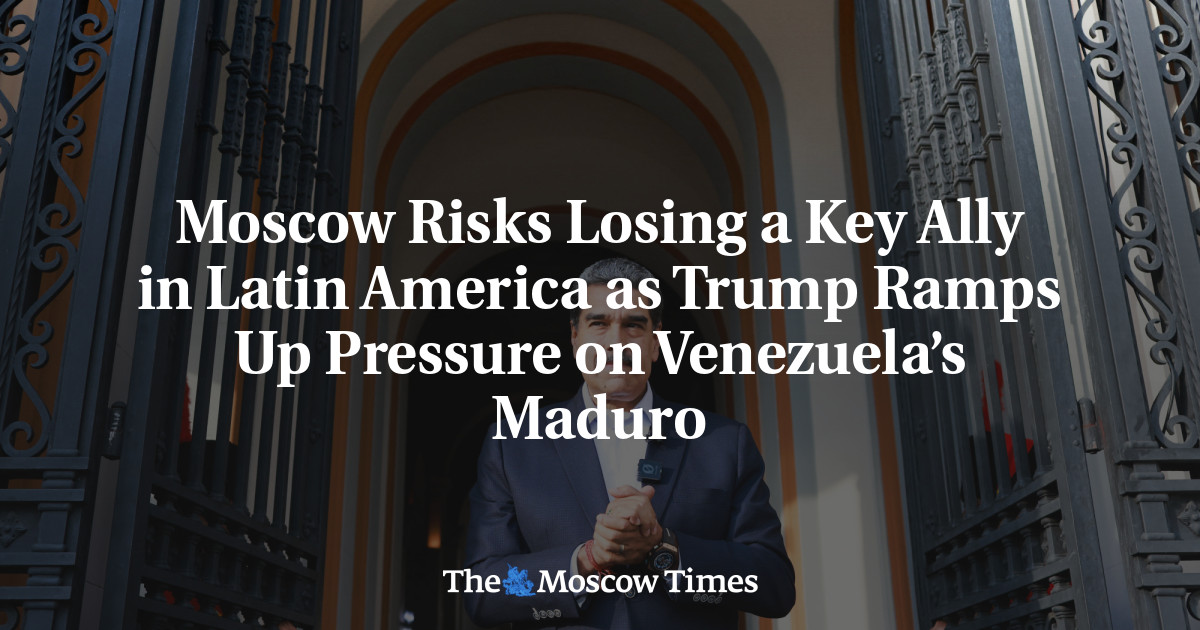
The Moscow Times focused externally on Russian military-technical ties to Venezuela, reporting on letters from Caracas to Moscow asking for help and Moscow's denials.
That coverage highlights Russia's overseas commitments and reputational costs, suggesting Moscow's capacity and priorities are contested internationally while Ukraine copes domestically with blackouts.
Coverage Differences
Narrative contrast / external vs domestic priorities
BBC (Western Mainstream) emphasizes Ukraine’s domestic coping measures (imports, storages, contingency planning) and a resilience narrative. The Moscow Times (Western Alternative) shifts attention to Russia’s entanglements with Venezuela and argues Russia’s ability to provide substantive foreign support is limited by its commitments in Ukraine — a contrasting spotlight on Russian capacity rather than Ukrainian adaptation.