Ukraine War01 February, 20262 min read
Russia Kills 12 Mineworkers in Drone Strike on Bus in Dnipropetrovsk Region
Russian drone struck a bus carrying mine workers in Dnipropetrovsk region, killing at least 12 Bus transported DTEK employees returning from a mining shift
22 outlets told this the same way.
Outlets did split on Russian Attack Kills At Least 33 On Two Buses In Kramatorsk →
Drone strike kills miners
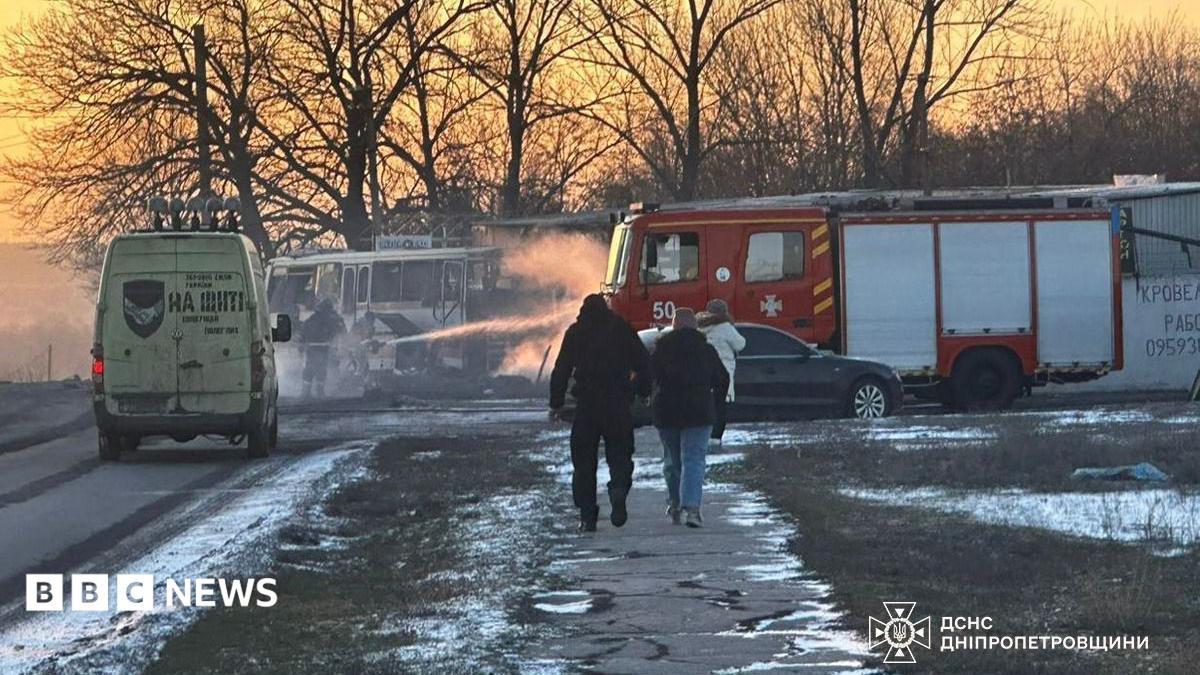
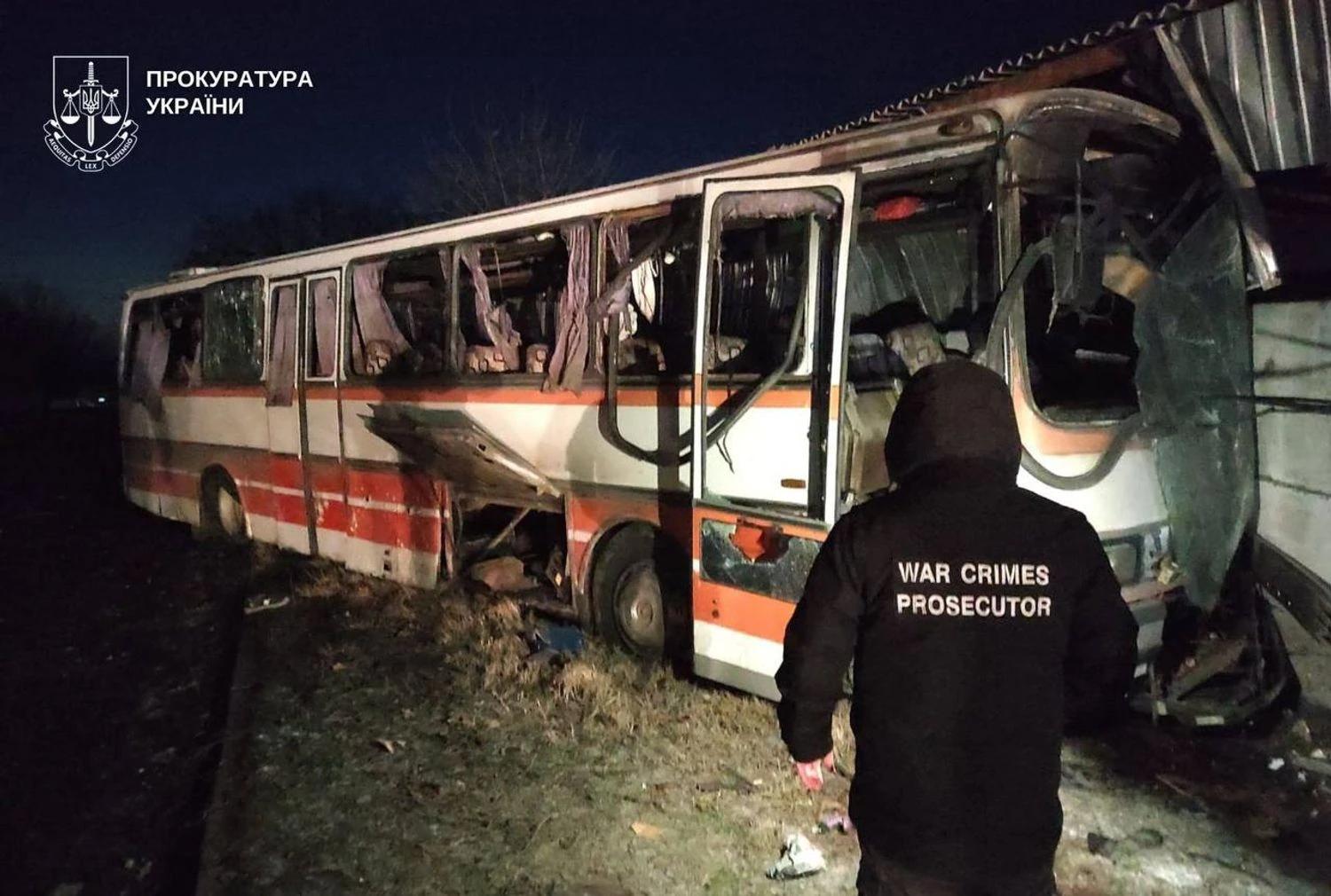
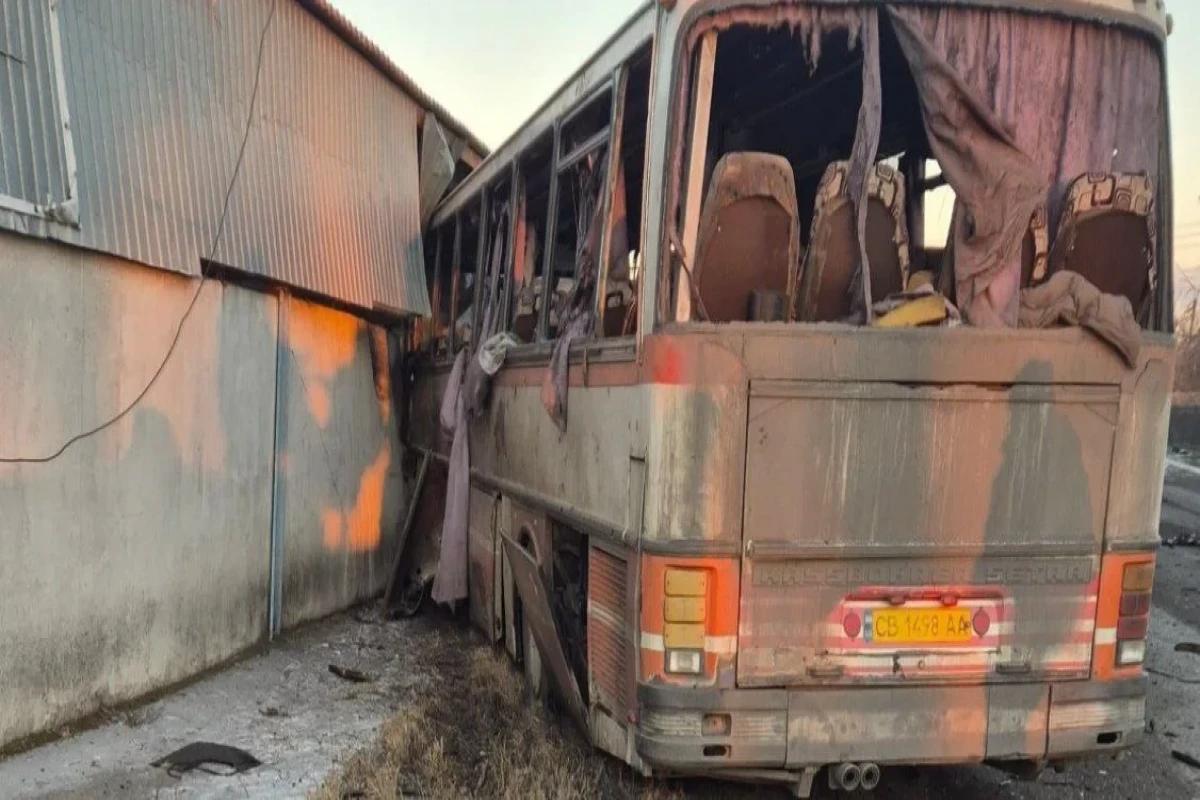
A Russian drone struck a bus carrying mine workers near Ternivka in the Pavlograd (Pavlohrad) district of Dnipropetrovsk region, killing at least a dozen people and wounding others, Ukrainian officials said. Multiple outlets reported the vehicle was transporting miners returning from a shift at a DTEK mine and that the bus was badly damaged and caught fire after the impact. Local authorities placed the location at roughly 65 km from the front line, and emergency responders released footage showing a charred, window‑shattered bus that had veered off the road.
“At least 12 mine workers were killed and seven others injured when a Russian drone struck a bus carrying miners in Ternivka, Dnipropetrovsk region, Ukrainian authorities said.”
Energy-worker strike reactions
Ukrainian officials and the private energy firm DTEK sharply condemned the strike. DTEK identified the victims as its employees returning from a mining shift. DTEK called the attack a 'terrorist' or 'massive terrorist attack' and adjusted casualty figures as the situation developed.
Energy Minister Denys Shmyhal described the incident as a 'cynical and targeted attack' on energy-sector workers. Ukrainian leaders framed the strike as an assault on civilians working in critical infrastructure.
Drone strikes and diplomacy
The bus strike came amid reports of a much wider overnight assault involving scores of attack drones and other strikes across Ukraine.
“The strike was part of a wider overnight assault in which Ukraine said Russia launched about 90 attack drones (14 of which struck nine locations).”
Ukrainian authorities said roughly 90 attack drones were launched in the assault, with multiple locations hit.
Moscow's defence ministry framed its actions as strikes on transport infrastructure and said it had shot down Ukrainian drones.
The timing intersected with diplomatic developments: trilateral talks between Ukraine, Russia and the United States in Abu Dhabi were moved by a day.
Some outlets noted the attacks coincided with the end of a reported unilateral reduction in strikes announced by U.S. President Donald Trump.
Verification of UAV reports
Technical details and independent verification vary across reports. Ukrainian union and local sources said Shahed‑type UAVs were used and that four crashed in the area, and at least one report described remote control via MESH radio modems.
Photographs and footage from Ukraine’s emergency services were circulated, but international agencies such as AFP were reported as not immediately able to independently verify the toll and some technical claims. Company statements and local governor figures shifted during the day, producing differing casualty and injury totals across outlets.