Ukraine War19 November, 20252 min read
Russia Kills 25 in Ternopil Drone and Missile Barrage
Russian strikes killed at least 25 people in Ternopil, including three children Two nine‑story apartment blocks in Ternopil were struck, causing fires and collapses

13 outlets told this the same way.
Outlets did split on Russian Attack Kills At Least 33 On Two Buses In Kramatorsk →
Ternopil missile strike report
A large overnight Russian drone-and-missile barrage struck the western Ukrainian city of Ternopil, hitting two nine-story apartment blocks and killing at least 25 people, including three children, officials said.
“A large Russian drone-and-missile barrage struck the western Ukrainian city of Ternopil overnight, hitting two nine-story apartment blocks and killing at least 25 people, including three children, authorities said Wednesday.”
Emergency services reported dozens injured, and rescue teams were sifting through rubble for survivors after the night-time strikes in the city about 120–200 km from the Polish border, which had previously been considered relatively peaceful and home to many displaced people.

Massive air assault
Ukrainian officials and multiple outlets said the barrage was part of a massive air assault. The assault included roughly 476 strike and decoy drones and about 48 missiles, many of them cruise missiles.
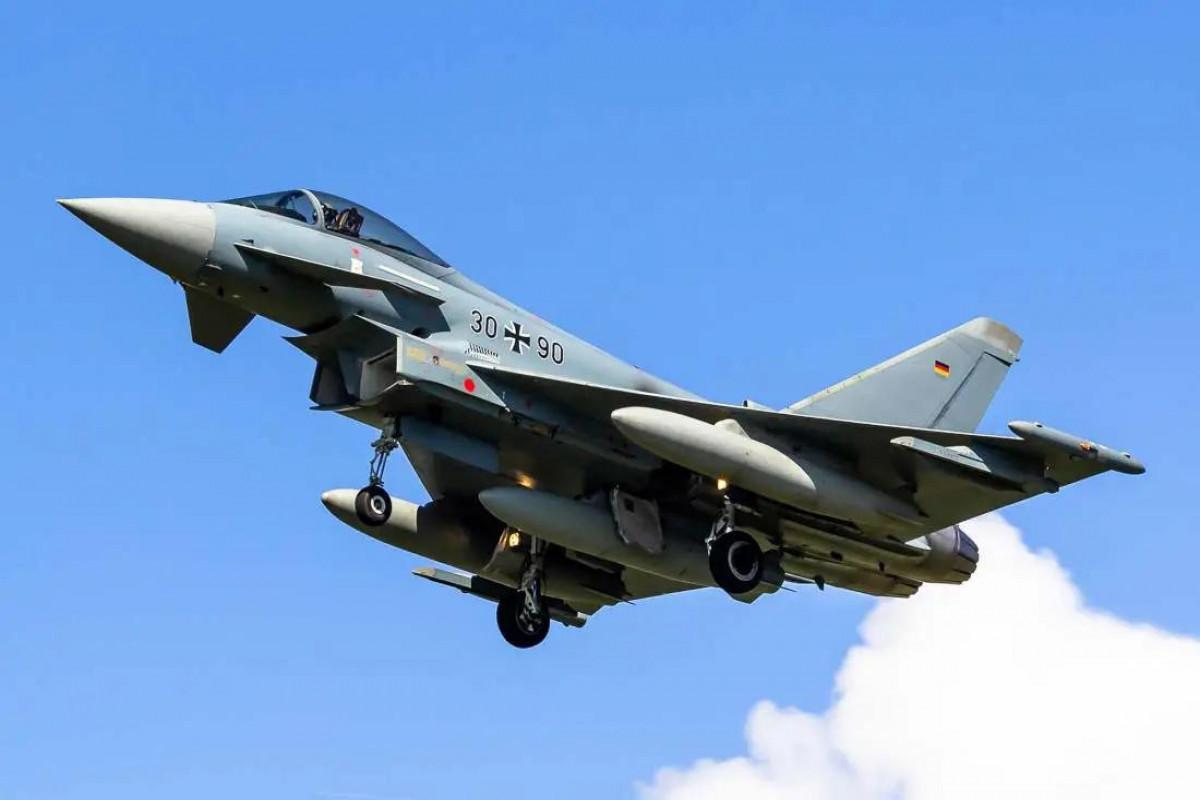
Air defenses intercepted most of the incoming weapons, with Western-supplied F-16 and Mirage-2000 jets credited with shooting down several cruise missiles. NATO allies scrambled fighters and raised air-defense readiness in neighboring Romania and Poland amid fears that some munitions crossed into or endangered allied airspace.

Casualties and aftermath
Officials and reporters described a grim human toll and aftermath, citing burned victims, missing residents and fires that briefly raised local hazards like elevated chlorine levels.
“A Russian strike on a Soviet-era apartment block in Ternopil killed 25 people, including three children, and wounded 75, officials said; fires from the hit spiked chlorine levels in the air to six times normal and residents were told to stay indoors while rescuers worked.”
Casualty counts vary by outlet — most report 25 dead including three children while ABC News reported 26 — and many sources said dozens were wounded and about two dozen people remained unaccounted for as search operations continued.
Responses to strikes
Officials and leaders used the strikes to press for diplomatic and security responses. President Volodymyr Zelensky traveled to Turkey for talks and said the assault showed that international pressure on Russia is insufficient. Kyiv and Western officials called for tougher sanctions, more air-defense missiles and increased drone production.
Russia described its strikes as targeting Ukrainian energy and military-industrial sites in retaliation for attacks on Russian territory. Moscow said it shot down Ukrainian ATACMS fired at Voronezh. Kyiv confirmed it had fired ATACMS, but Moscow described the effects as debris damage.
Media coverage differences
Coverage tone and emphasis vary across source types. Western mainstream outlets (AP, Los Angeles Times, ABC, RNZ) emphasize the scale of the barrage, casualty totals, and allied military responses. Local Western outlets such as Whitehaven News highlight immediate rescue scenes and minister quotes.
“A large Russian drone-and-missile barrage struck the western Ukrainian city of Ternopil overnight...”
Regional and other outlets (Apa.az, KVUE) focus on NATO air-scrambles and concerns about cross-border airspace. Some sources lacked original reporting or content—for example, Outlook India requested the text—which limits cross-regional perspective in these excerpts.
